Book excerpt: Why is everyone so angry?

Note: This is an excerpt fromย We Need to Talk,ย my book in progress, which examines the polarization ripping apart our society and shares my personal search for an appropriate Christian response. For an overview of the book and to read my previous excerpts, linkย HERE.

Even in this age of extreme polarization, conservatives and progressives still have at least one thing in common: Our anger.

Why are we all so angry?

Weโ€™re angry because we canโ€™t trust anyone these days. People in positions of authority lie to us shamelessly. Congress sells out to special interests. The news media are hopelessly biased. We suspect insurance companies make more medical decisions than our doctors. Members of the clergy molest children and church leaders cover it up. Scam artists pose as IRS agents so they can steal our identity and go on a shopping spree. 

Weโ€™re angry because weโ€™re bombarded with change. Occupations become obsolete before we finish training for them. Staying current with the latest technology is a full-time job. Cultural shifts mean the rules of etiquette keep shifting. We adapt to these transitions, only to confront more demands for change, with no time to catch our breath. We worry weโ€™ll lose everything that matters to us โ€“ our livelihoods, our way of life, respect for our values. 

Weโ€™re angry because injustice reigns. People face discrimination based on race, gender and every other human difference imaginable. Powerful people bully and exploit less powerful people with impunity. Nations go to war for reasons other than national security. Poverty persists as the gap between the rich and poor becomes a yawning chasm. Nearly 30,000 children die every day from starvation and other preventable causes. Political candidates vow to address these issues, then forget their promises once elected. 

Weโ€™re angry at the petty annoyances of modern life. Junk mail, email spam and telemarketing calls elude our efforts to block them. Appliances stop working the minute the warranty expires, and giant corporations no longer seem to care whether weโ€™re happy with their products or not. Getting a prescription refilled or a driverโ€™s license renewed has turned into a bureaucratic ordeal. And just try to get a live person on the phone when we have a question or need help with something. Yes, these annoyances may seem like trivial first-world problems, but they keep coming at us. All. Day. Long.

Weโ€™re angry at other peopleโ€™s sins. Those progressives/conservatives (depending on which side weโ€™re on) not only keep sinning, they flaunt their iniquity. They celebrate their greed, their violence, their bigotry and their moral depravity, and no one lifts a finger to hold them accountable. Whatโ€™s worse, these same people stoke public anger at us for not thinking or acting the way they do. When people who are unhappy with us try to shame us, our fury increases exponentially.

Weโ€™re angry at our own weaknesses. We know intellectually what we need to do: Eat right, exercise, get enough sleep, pay more attention to our relationships and practice self-discipline. The challenge lies in translating intellectual knowledge into action. We canโ€™t seem to quit our bad habits or stick to a healthy eating plan. We should be doing more in our communities, but who has the time? We feel like the Apostle Paul, when he says in Romans 7, โ€œI donโ€™t understand myself, for I want to do what is right, but I donโ€™t do it. … I donโ€™t want to do what is wrong, but I do it anyway.โ€ 

Weโ€™re angry because weโ€™re overwhelmed. Weโ€™re constantly pulled in 20 different directions by our overloaded and chaotic schedules. We cross items off endless to-do lists: our to-do list for work, our to-do list for household chores, our to-do list of personal self-care routines, our to-do list of urgent matters, even a master list to keep track of all the to-do lists. We juggle so many balls in the air, weโ€™re convinced we have to keep these multiple to-do lists or we wonโ€™t remember to do simple things like brush our teeth. Despite all the to-do lists designed to help us hold ourselves accountable for how we spend our time, we canโ€™t keep up with all the demands. 

Weโ€™re angry because weโ€™re anxious and afraid. Each day, the news presents another potential catastrophe for us to worry about. What can we do about climate change, or have we already passed the point of no return? Is there anything these days that doesnโ€™t cause cancer? Will technology replace our jobs with robots? Will Social Security still be around when weโ€™re 90? How do we keep criminals from breaking into our homes, our credit card accounts and our retirement funds? If the wrong political party gets into power, will we be forced to live according to a value system we abhor? Will we still have a country in four years? Will we get through this pandemic alive? Will our loved ones?

Weโ€™re angry because weโ€™re lonely. The social distancing prompted by the COVID-19 pandemic has disrupted our ties with family, friends, colleagues and members of our faith communities. However, even before the pandemic, people were becoming increasingly isolated. Technology keeps us focused on our screens rather than our relationships. Time spent climbing the career ladder equals time spent away from people who matter to us. Frequent career moves also uproot us from our communities and this loss of connection leads to a loss of our support systems. 

Weโ€™re angry because weโ€™re grieving. We have lost 500,000 people to COVID-19 in the U.S. alone โ€“ thatโ€™s a half million parents, grandparents, siblings, friends, neighbors and valued colleagues. Worldwide weโ€™ve lost two million human beings and counting. Weโ€™ve lost jobs and businesses. Weโ€™ve lost our family gatherings, our concerts, our church services and our vacation trips. Weโ€™ve lost our freedom to come and go as we please. Weโ€™ve lost our sense of safety, our sense of security and our sense of control over our own lives. Weโ€™ve suffered so many losses weโ€™ve run out of tears, and still the losses escalate.

Weโ€™re angry because weโ€™re exhausted. Cumulative, unrelenting crises generate fatigue and despair. Each week, we hear about yet another terrorist attack, another mass shooting, another natural disaster. War rages endlessly in hot spots around the world. Political scandals persist unabated. People around us wonโ€™t stop fighting at work, on Facebook, on the streets or even at church and their constant bickering wears us out. 

Weโ€™re angry because we feel powerless. We know what policies would resolve our problems if only our leaders would summon the political courage to implement them, but weโ€™re not in charge, and they wonโ€™t listen to us. We write to our elected officials, who respond with a form letter that makes it clear they (or their assistants) failed to read past the first paragraph. We march for life, for peace, for justice or for other noble causes, and for a brief moment it appears we might see change. But then the public gets distracted, the media chases after the next shiny object and weโ€™re back to the status quo. We sense that nothing we do matters. Our efforts seem like a cosmic joke.

Weโ€™re angry because we repress our true feelings. The Psalms brim with poetry about anguish, pain, fear and grief. The Bible offers an entire book titled Lamentations. Jesus wept. Yet our modern culture discourages overt expressions of strong emotions. โ€œSuck it up, buttercup,โ€ weโ€™re lectured. โ€œStop the pity party.โ€ With few acceptable outlets for the legitimate expression of painful emotions, we simply โ€œstuff itโ€ until we erupt. In some circles, even positive emotions such as passion and joy are suspect. โ€œCurb your enthusiasm,โ€ weโ€™re told. Outrage, on the other hand, is not only accepted but encouraged and celebrated.

Weโ€™re angry because questions are forbidden. When confronted with inquiring minds, religious and secular ideologues alike discourage too much probing. โ€œYou mustnโ€™t question Godโ€™s will,โ€ some folks sternly warn us if we dare to question their interpretation of Biblical truth. Not that the โ€œnonesโ€ are any better in this regard. Heaven forbid we question one tiny iota of an identity groupโ€™s dogma. Thatโ€™s a good way to wind up cancelled like a credit card.

Weโ€™re angry because weโ€™ve lost our sense of meaning. In a society that worships Mammon rather than God, success means having a fancier job title than our neighbor, and โ€œenoughโ€ gets defined as whatever the neighbor has โ€“ plus one. If our neighbors define โ€œsuccessโ€ and โ€œenoughโ€ the same way, we become trapped in a competition we canโ€™t win. Our homes runneth over with stuff, but material goods fail to satisfy. The brass ring turns out not to be so shiny once weโ€™ve grabbed it. People in 12 Step groups often speak of โ€œspiritual bankruptcyโ€ โ€“ a state of psychic numbing or sleepwalking in which our lives lose all meaning beyond getting our needed fixes. We want our lives to amount to more than eating and sleeping, acquiring the latest toys, dodging other peopleโ€™s dramas and crossing items off to-do lists, but we donโ€™t know where to start. 

Experts agree that emotions are complex and often intertwined. Fear, anxiety, grief, frustration and feelings of futility can masquerade as anger. Fighting against whatever we perceive to be the source of our anger helps us feel more powerful and promises to give our lives meaning. Sadly, at the moment, rage seems to be what connects and unites us.

The good news: If weโ€™re angry, weโ€™re not alone. We can rest assured we have a lot of company. Given everything thatโ€™s going on, our anger is understandable, reasonable and legitimate. In other words, weโ€™re โ€œnormal.โ€

The bad news: If weโ€™re angry, weโ€™re not alone. Unfortunately, anger is often contagious. When people around us lash out at the rest of the world, this tacitly gives us permission to do the same. When not channeled in a constructive way, our collective anger can become our collective insanity. And a long line of folks stands ready to exploit our personal and collective anger for their own ends.

Questions for readers: How do you see our anger being exploited, and by whom? How can we channel our anger constructively? Iโ€™d love to hear your responses to these questions, as well as your comments on this article. Just hit โ€œLeave a Replyโ€ below. When responding, please keep in mind the guidelines Iโ€™ve outlined on my Rules of Engagement page (link HERE).

God’s other book: Sunrise, sunset

In John 10:10, Jesus says, “I came that they may have life and have it abundantly.” 

When we read this passage, we may be tempted to think of abundance in terms of wealth or material possessions, but I sense that Jesus had something entirely different in mind. 

Like sunrises and sunsets, for example.

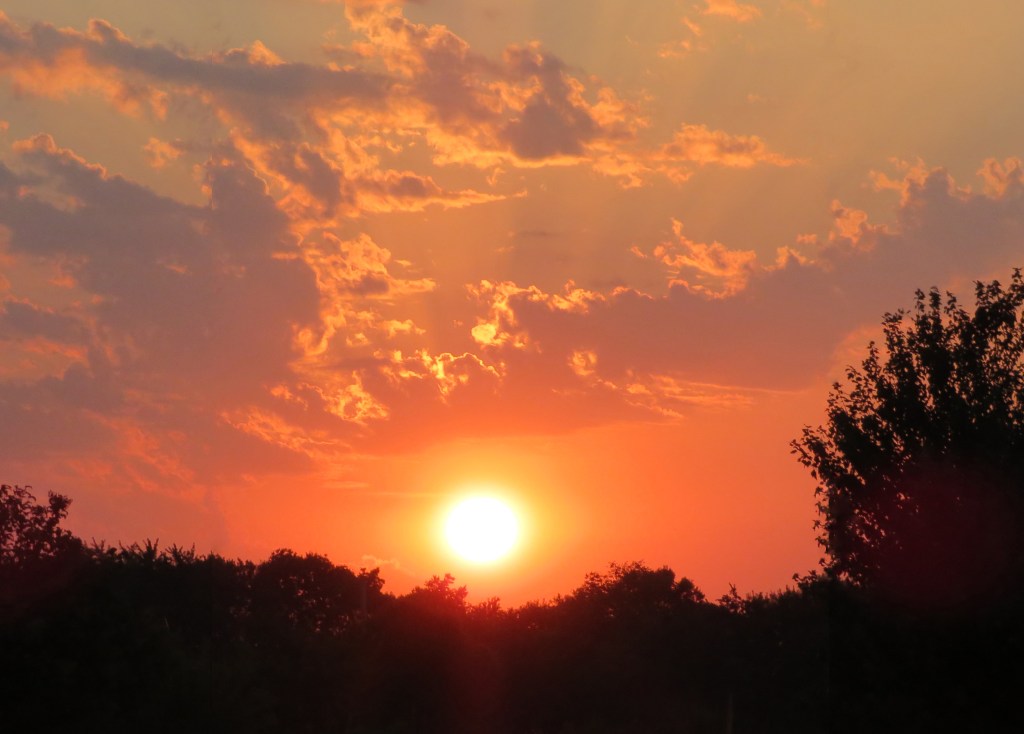
My husband and I have been blessed with a beautiful park near our home, and Iโ€™ve encountered scenes like this one several times when driving or walking around the lagoon at dusk.

I must say there are few things more awe-inspiring than the vivid colors that seem to bounce off the treetops just as the sun prepares to set, especially in the fall. 

Unless itโ€™s beholding a โ€œmackerelโ€ sunset as I walk out my front door.

Or an entire sky that has turned solid pink.

Of course, beauty doesnโ€™t always have to be brilliantly ostentatious. Sometimes itโ€™s subtle, as in this scene of a setting sun poking through the mist behind snow-covered branches.

In tough times, Iโ€™ve found sunrises and sunsets to be pure balm for the soul.

One night (among many this past year), I donโ€™t think I managed more than an hour of sleep as I lay awake pondering the pandemic, the political situation in our country and a series of little crises closer to home, while asking myself and God one anxious question after another. But then I happened to glance out the window just as the sun was rising. The scene in front of me was enough to put my angst-ridden brain on pause for several minutes.

At the tail end of an exhausting week about a year and a half ago, some longtime friends invited my husband and I to join them at an all-you-can-eat buffet for a feast of serious comfort food. As I stepped out of the car and walked through the restaurant’s parking lot, God greeted me with this stunning display of abundantly extravagant beauty. 

I like to begin each new day by reciting Psalm 118:24: โ€œThis is the day that the Lord has made. Let us rejoice and be glad in it!โ€ I must admit some situations pose a challenge to this resolution, but sunrises and sunsets always give me a reason to rejoice and be glad.

Those mittens

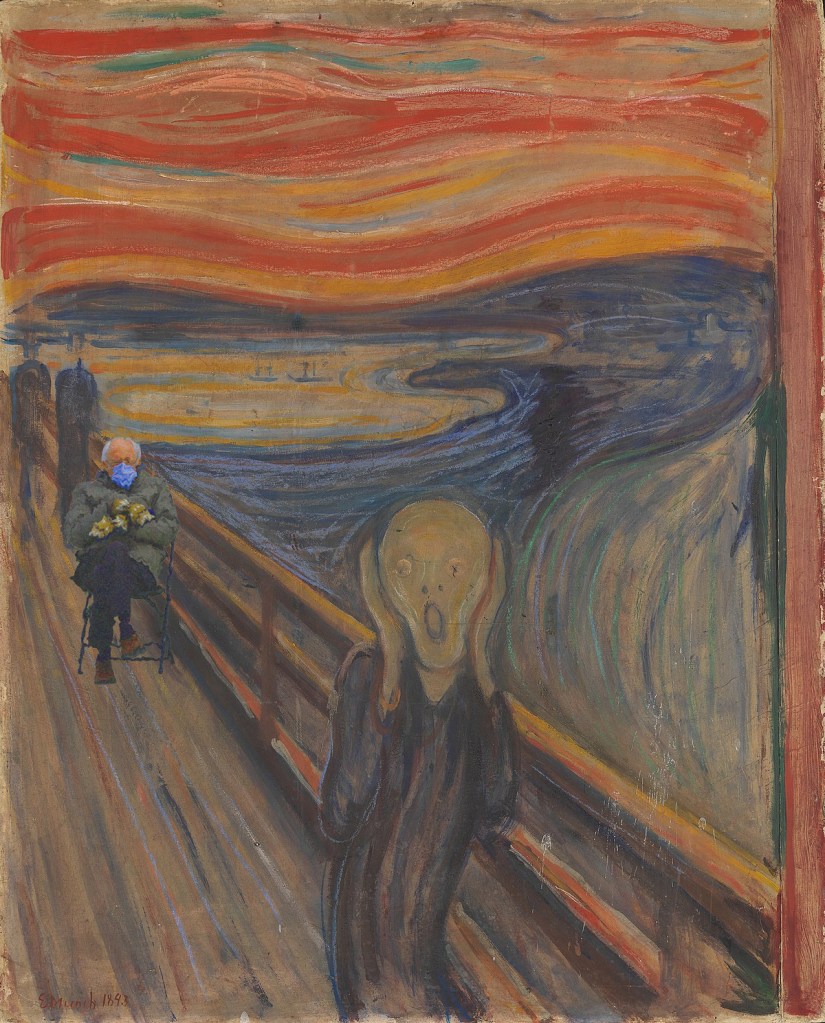
Peace-loving person that I am, I generally try to avoid sharing political memes on social media. But occasionally, something comes along that is so funny I just have to make an exception.

A photo of Vermont Sen. Bernie Sanders at the Biden-Harris inauguration, sitting with his arms crossed and wearing gigantic mittens, proved irresistible to the meme artists of the world.

Even the Senator himself is reported to think the memes are hilarious. So of course I haven’t been able to resist sharing a few of my own favorites.

Fashion magazines love to tell readers how to re-create a celebrity’s outfit. Note the manila envelope.

The Senator photobombs the vice presidential debate.

Here he is with one of our favorite cartoon characters.

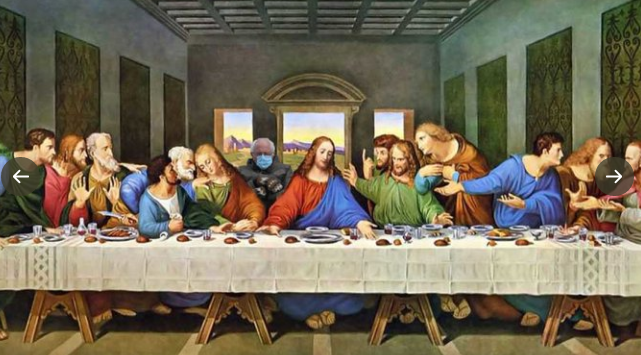
Go ahead … pull up a seat at the table.

This has to be one of my favorites.

This was inevitable …

And last but not least, one web site (link HERE) even lets users insert the image into any Google street view photograph. Just type in your address/location and voila! So I simply had to invite the Senator โ€“ and his mittens โ€“ to our house.

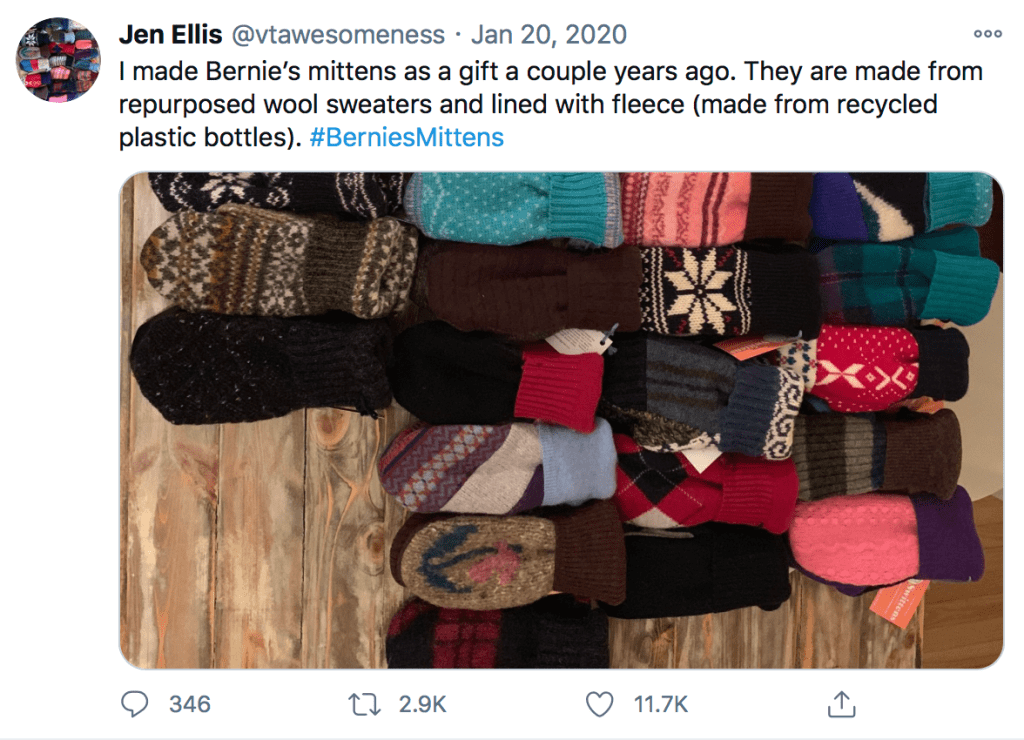
My first thought upon seeing the memes was, “I want those mittens!” They look super warm. Alas, the mittens were a gift to Mr. Sanders from a supporter who reported on Twitter that she made them from some rather unusual materials. So they are truly one of a kind:

How cool is that?

Book excerpt: The Wide World of Anger

Note: This is an excerpt fromย We Need to Talk,ย my book in progress, which examines the polarization ripping apart our society and shares my personal search for an appropriate Christian response. For an overview of the book and to read my previous excerpts, link HERE.

One of the biggest factors underlying todayโ€™s extreme polarization is the bottomless pit of seething resentment and rage running through our society like hot lava.

I mentioned in a previous post that many people I encounter these days seem more cranky and defensive than they used to be, and some seem to be spoiling for a fight. We have Road Rage, Airport Rage, Parking Lot Rage and Starbucks Rage. We have Climate Wars, Health Care Wars, Class Wars, Mommy Wars and even Worship Wars. We spew our in-your-face venom onto everything from t-shirts, lapel pins and bumper stickers to coffee cups, refrigerator magnets and doormats like this one sold at Amazon.com:

โ€œThe easiest thing youโ€™ll do all day is get ticked off at something,โ€ Jeffrey Kluger writes in aย Time magazine article titledย Americaโ€™s Anger Is Out of Controlย (linkย HERE). โ€œSomeone cuts ahead of you in traffic? Ticked off. Guy in front of you at Starbucks needs his entire order remade because his mocha half-caf, double frap had the wrong frigging number of espresso shots in it even thoughย you know full well nobody can taste the bloody difference? Exceedingly ticked off. Weโ€™re all that way โ€“ and thatโ€™s a problem. Anger is โ€ฆ quick, itโ€™s binary, itโ€™s delicious. And more and more, weโ€™re gorging on it.โ€ย 

The gratuitously nasty responses to a popular bumper sticker handed out by school districts offer a perfect illustration of this free-floating over-the-top anger. Personally, I thinkย proud of my honor student bumper stickers are a nice way for schools to show appreciation to hardworking students and promote academic achievement. But apparently some folks beg to differ, judging from their own bumper stickers.ย My kid beat up your honor student and my kid got your honor student pregnantย are just a couple of the snarky โ€œstatementsโ€ that leave me shaking my head. Good grief! If we donโ€™t want our young people using drugs, joining gangs or making other unfortunate choices, why the hostility toward kids who are doing something right?

Lloyd Vries at CBS News (linkย HERE) shares, โ€œA reader wrote to me, โ€˜Just do the country a favor and shoot yourself.โ€™ โ€ฆ How angry does someone have to be to write something like that? And โ€˜Mr. Go Shoot Yourselfโ€™ is not atypical. Surf the Internet for a second or two, and you’ll see the venom pouring out from those who verbally attack each other.โ€ย At my computer I type the words, โ€œWhy is everyone so angry?โ€ The Google search yields nearly 150,000 entries and an inescapable conclusion: Vries is correct. There sure are a lot of angry people out there.

A short browse through just a few of the 150,000 entries reveals that the population of folks gorging on anger isnโ€™t limited to the U.S.

The British are vexed about Brexit, among other things. Some display their fury in ways that rival their U.S. counterparts on the rage-o-meter, according toan article forย The Daily Telegraph in London (Short-Fuse Britain: Why is Everyone So Bloody Angry? โ€“ linkย HERE). Judith Woods writes, โ€œLast weekend, my children and I were nearly knocked into the canal by a cyclist incandescent with rage that I was walking by the canal. He was followed by a peleton of similarly rude men in a tearing hurry who refused to give way to pedestrians, as they are supposed to. I was sorely tempted to lie across the path in a gesture of defiance, but I couldnโ€™t be sure they wouldnโ€™t have pedaled straight over me, leaving cartoon tyre marks, so instead I shouted at them. Of course I did: Iโ€™m as cross as everyone else.โ€ย 

What do people get cracked about in Australia?ย Blogger Jacqueline Lunn (linkย HERE) relates: โ€œIn the space of a week Iโ€™ve seen people get twitchy at each other as they wait in the line for ice cream. Iโ€™ve seen scenes of obvious, quite nasty, frustration due to an elderly man exiting a bus. Iโ€™ve watched three grown men, not one but three, push past my 10-year-old daughter to be served before her at the counter. Brows furrowed, on a mission, about to snap. Her older sister had to stand with her so pushing past was thwarted. Iโ€™ve completely cracked it because the dishwasher wasnโ€™t unpacked when Iโ€™ve come home from work. Cracked like an egg rolling off a benchtop.โ€ย 

In a feature article on the Web siteย Modern Ghanaย (linkย HERE), Nicholas Ameyaw-Akumfi recites a litany of angsty issues that will sound familiar to most Americans. โ€œWhy are people so angry these days?โ€ he asks.โ€œIt seems as though everything challenging in life is hitting them faster and from every direction. Changes in technologies and communications have caused their lives to move faster. Unemployment prevails as the cost of living keeps rising. Sleep doesnโ€™t come as easy as it used to.โ€ His account of how Ghanaians respond will sound familiar as well: โ€œA spilled cup of coffee in the morning can ruin the better portion of a personโ€™s day and a ringing telephone or barking dog can set their nerves on edge.โ€ย 

Meanwhile in India:ย โ€œHow have rage and vitriol become so addictive?โ€ asks blogger Manika Raikwar Ahirwal, managing editor for that countryโ€™s NDTV (linkย HERE). โ€œWe need our daily dose of rant. And if itโ€™s angry and full of abuse, even better. โ€ฆ In this new world of hatred, your mission, if you so choose, is to destroy without prejudice. Anything, everything is fair game. We will target you and by association anything we can get our hands on.โ€ย 

As my husband would say, โ€œAy, covfefe!โ€ And to think some of us here in the good ol’ U.S.A. thought we might be able to escape from our own Fury Festival by fleeing to another country โ€ฆ

All this frenzy calls to mind the parable of the boiled frog โ€“ a cautionary tale most of us will hear sooner or later if we attend enough business conferences or stress management seminars. The storyline goes like this: If a frog is suddenly tossed into a kettle of boiling water, it will jump out and save itself from impending death. But if the frog is happily swimming around in lukewarm water, with the temperature turned up gradually, it will not perceive danger and will be cooked to death. 

Turns out the boiled frog story may actually be nothing more than an urban legend. In reality, say some experts, the frog will be smart enough to hop out of the water in the nick of time, no matter how slowly one turns up the heat. Iโ€™m left wondering, however, whether we humans will be so sensible.

Questions for readers: What factors do you see leading to so much anger? If you live outside the U.S., is there similar anger and polarization going on your country? Iโ€™d love to hear your responses to these questions, as well as your comments on this article. Just hit โ€œLeave a Replyโ€ below. When responding, please keep in mind the guidelines Iโ€™ve outlined on my Rules of Engagement page (linkย HERE).

God’s other book: Ice sculpture

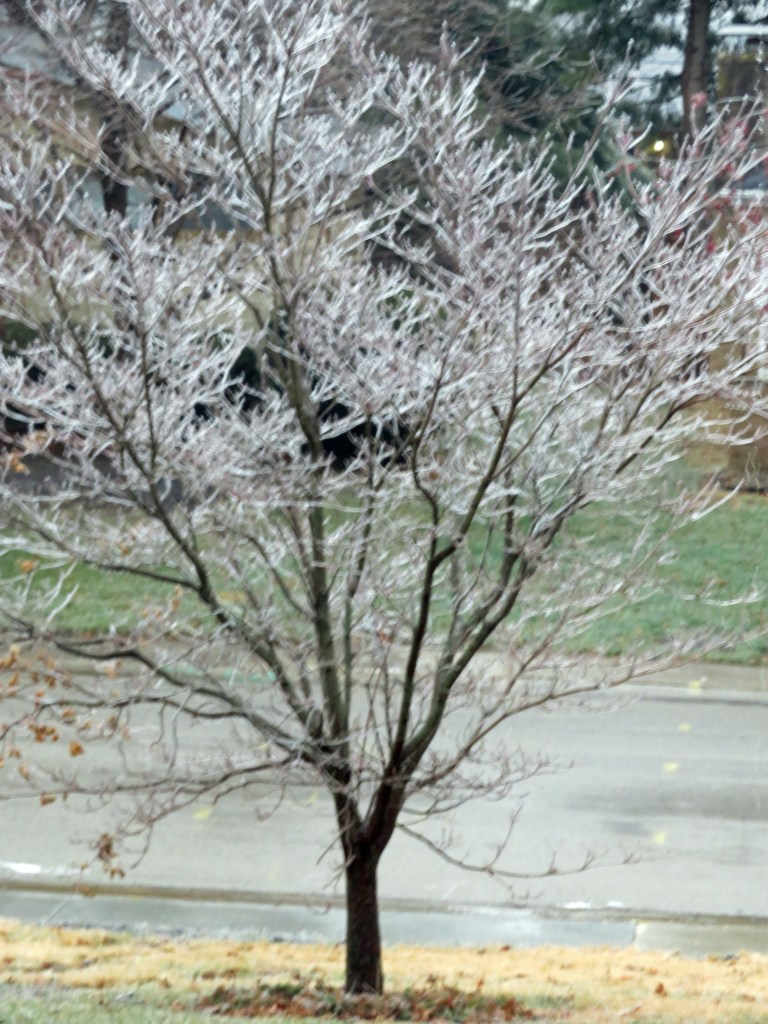
When I looked out the picture window in our living room on New Year’s Day, my first thought was, “I hope this isn’t a sign of what 2021 is going to be like.” In central Illinois, the year started out with … an ice storm.

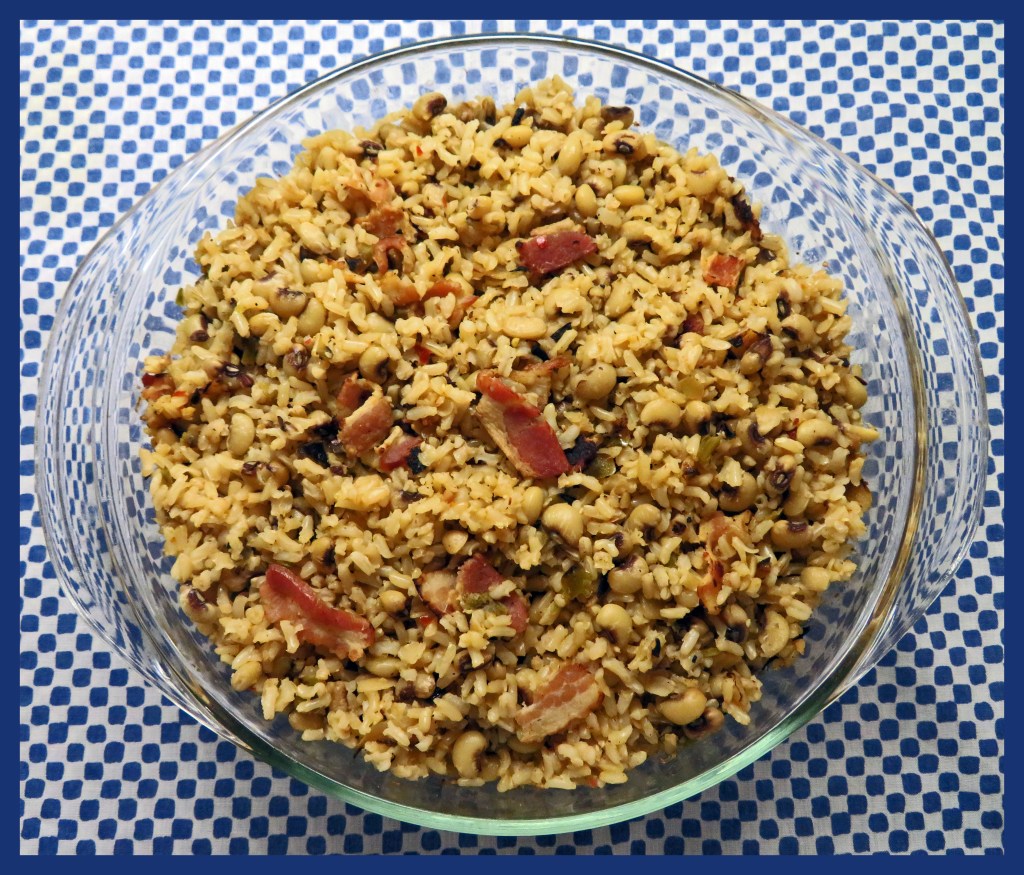
But I had also pledged to start each day finding something to be grateful for and I had to admit, the ice really was pretty. Especially since I didn’t have to go anywhere that day and could stay warm and toasty inside while enjoying a feast of hoppin’ john and greens with my husband.

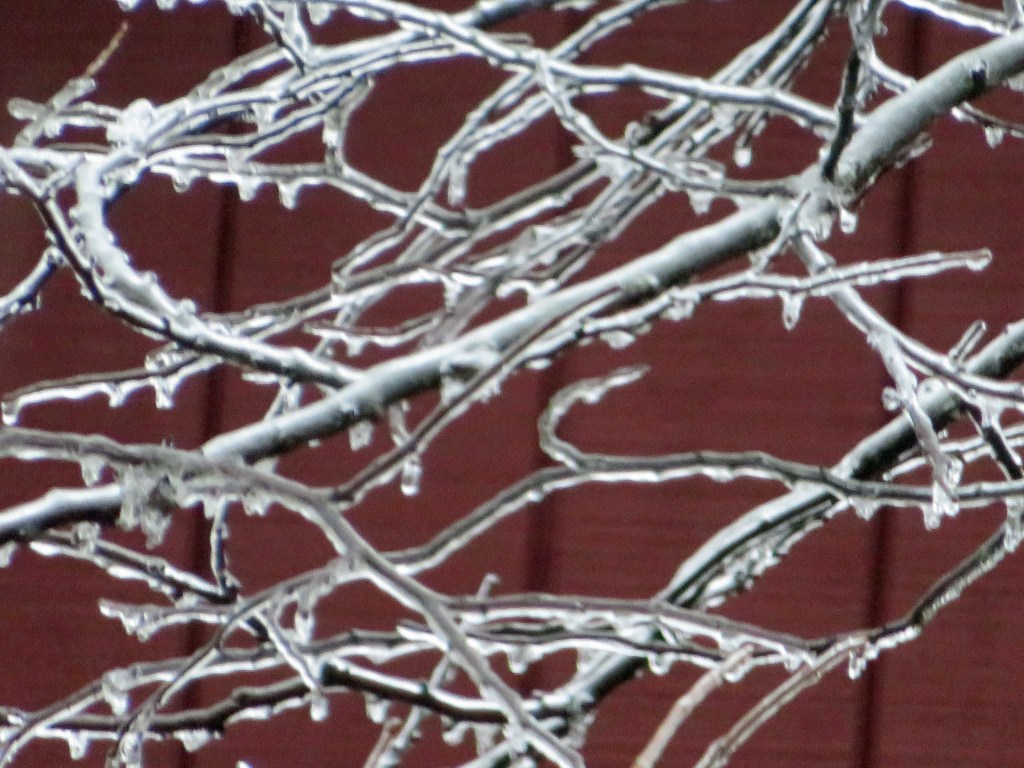
So I got out my camera and pointed it out several windows to see what the lens might capture. The thin coating of ice turns twigs into a work of art.

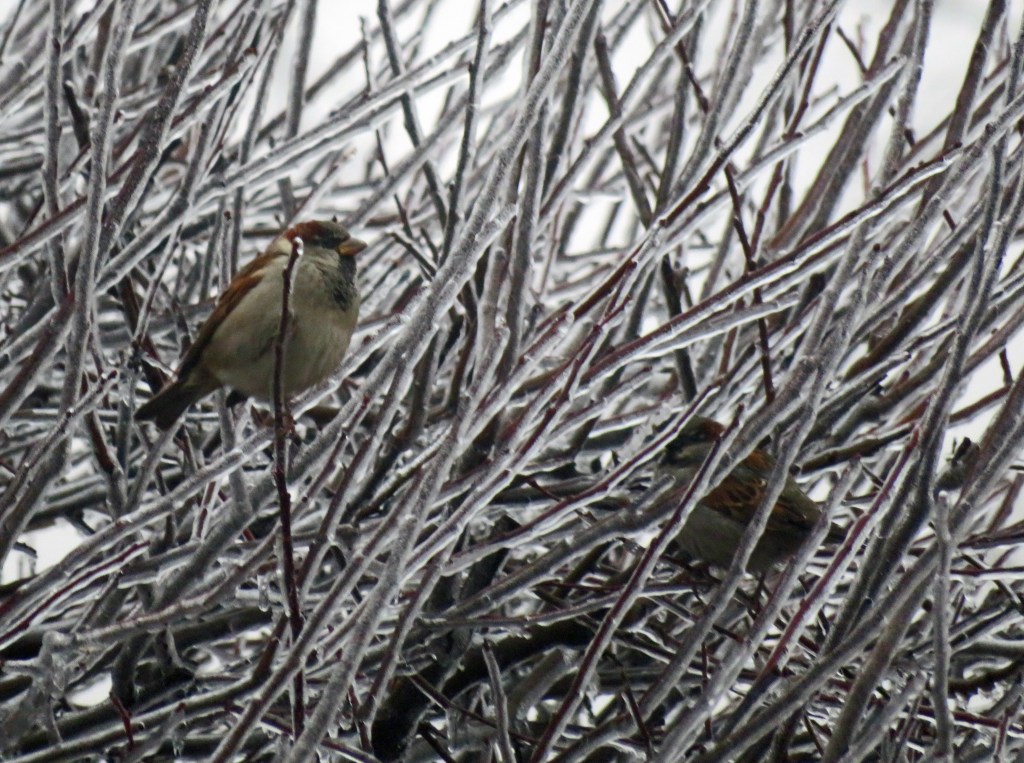
In our driveway, we have a small tree we call “the clubhouse.” Dozens of birds gather there, and we can hear the chorus of chirping as soon as we walk out the front door. Even the ice didn’t deter the birds from having their regular “meeting,” but … BR-R-R-R-R!

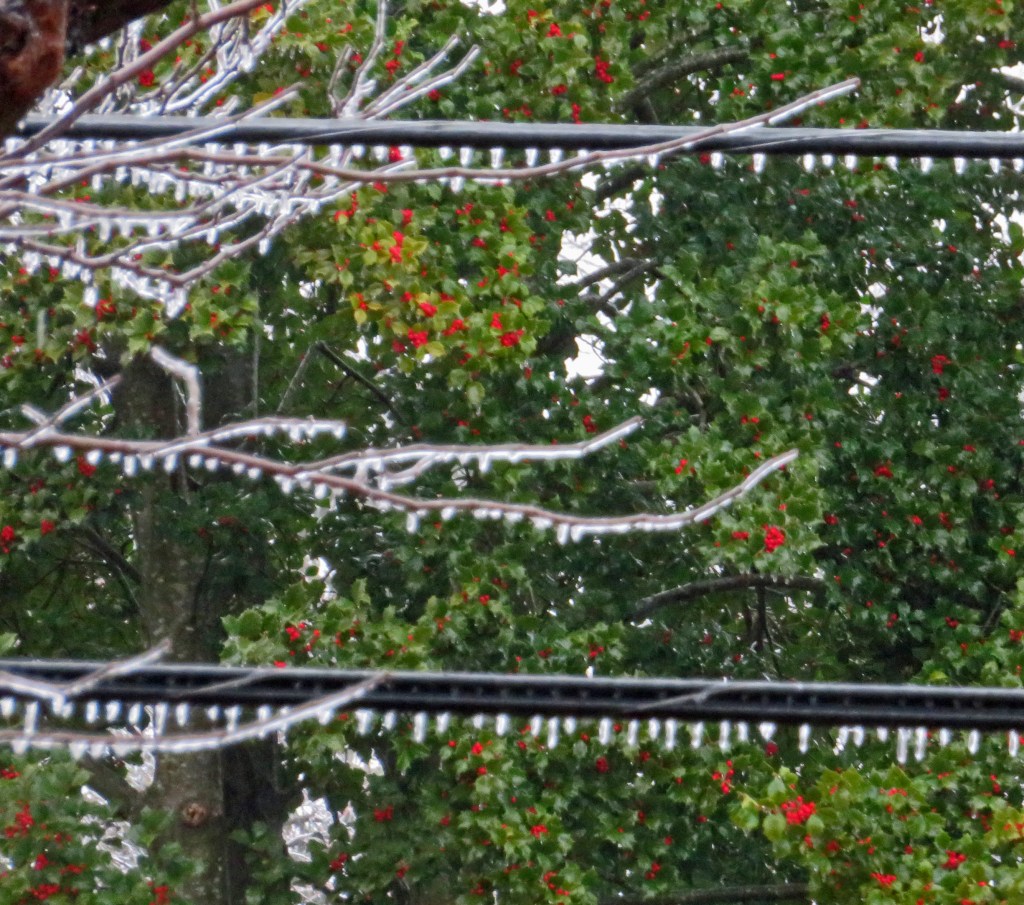
I love how each of the berries on our neighborhood crabapple trees has its own icicle.

If you look close, you can see a bead of ice hanging from every single one of those berries. Just. Wow.

And I was certainly grateful the sheet of ice that covered everything, including the electrical wires, was only about a quarter inch thick and we didn’t lose power.

So, may everyone have a blessed and happy new year!

Recipe: Hoppin’ John

For several years now, Pete and I have enjoyed a New Yearโ€™s Day tradition of inviting friends to our house for hoppinโ€™ john, greens and cornbread.

Hoppinโ€™ john is a traditional southern dish made with black-eyed peas and rice, and is said to bring good luck if eaten on New Yearโ€™s Day. My husband, who grew up in East Tennessee, brought the recipe with him when he moved to Illinois. 

As usual, Iโ€™ve modified the recipe somewhat to meet my dietary restrictions. For my version of hoppinโ€™ john, I use brown rice โ€“ the frozen kind for convenience. Iโ€™ve actually come to prefer brown rice for its nutty texture. Plus, it has more healthy fiber than the more heavily processed white rice. I cook the bacon separately and drain off the grease before adding it to the recipe, which allows me to add some delicious bacon flavor without so much saturated fat, and I sautรฉ the onion and pepper separately in olive oil. I use Tony Chachereโ€™s no-salt seasoning blend in place of salt. Low sodium chicken broth adds flavor.

We serve the dish with greens and cornbread, which are said to further ensure prosperity for the coming year. For the cornbread, I use Martha White self-rising buttermilk corn meal mix, and follow the recipe on the back of the package. This brand of corn meal mix does NOT have added sugar, which not only makes it better for my diabetic diet, but also more authentically southern.

Most years, our friends bring their own favorite dishes, along with their musical instruments, making for a great potluck feast and jam session. What better way to start the New Year off right?

Unfortunately, this year weโ€™ll be celebrating with just the two of us because of the pandemic. But our friends will be with us in spirit, and the leftover hoppinโ€™ john freezes very well.

This recipe makes about eight one-cup servings.

Ingredients

  • 2 10-ounce packages frozen whole grain brown rice
  • 1 12-ounce package frozen black-eyed peas
  • 3 slices bacon, crumbled
  • 1 medium onion, chopped
  • 1 green pepper, chopped
  • 2 tablespoons olive oil
  • 1/2 teaspoon Tony Cachereโ€™s no-salt seasoning blend
  • 1/2 teaspoon red pepper flakes
  • 1/4 teaspoon black pepper
  • 32-ounce carton low-sodium chicken broth

Directions

Combine black-eyed peas and chicken broth in a saucepan and bring to a boil. Turn down the heat and simmer for about 20 minutes, stirring occasionally.

Thaw the brown rice in the refrigerator overnight, or heat in the microwave oven following package directions.

Cook the bacon on a plate lined and covered with paper towels in the microwave oven for 3-4 minutes, or until crisp, and crumble the bacon.

Sautรฉ the onion and pepper in olive oil until tender and caramelized, and sprinkle in the no-salt seasoning, red pepper and black pepper.

Combine rice, black-eyed peas (with broth), bacon and sautรฉed vegetables. Add one cup water and stir until thoroughly mixed.

Pour into baking dish and cover with aluminum foil. Bake in 425-degree oven for 25-30 minutes, or until all liquid has been absorbed by the rice. Stir again and serve hot.

Nutritional Information

Serving size: 1 cup | Calories: 240 | Carbohydrates: 38 g | Protein: 8 g | Fat: 6 g | Saturated Fat: 1 g | Cholesterol: 3 mg | Sodium: 125 mg | Potassium: 305 mg | Fiber: 4 g | Sugar: 1 g | Vitamin A: 1% | Vitamin C: 20% | Calcium: 1.5% | Iron: 6% 

Ah, 2020!

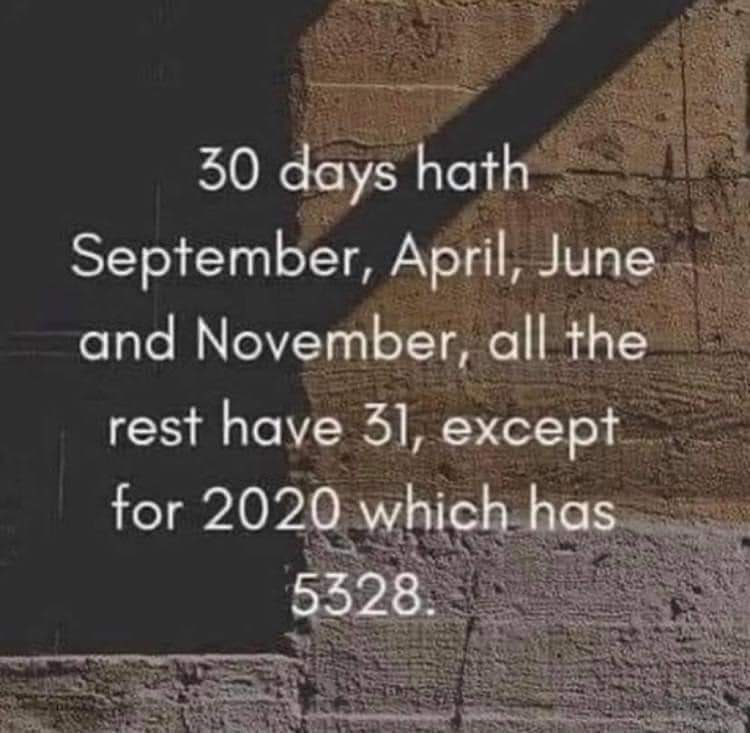
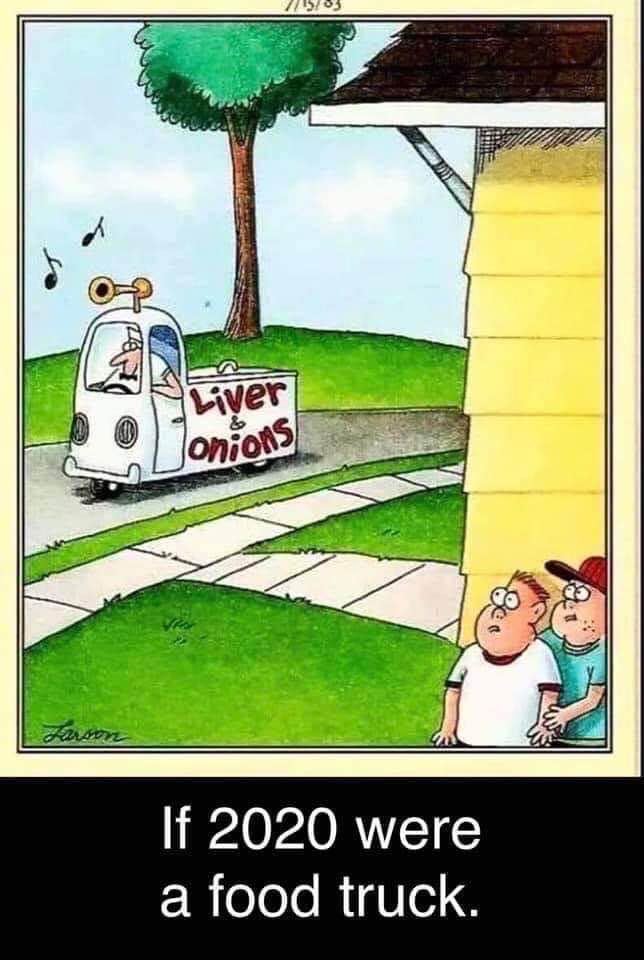
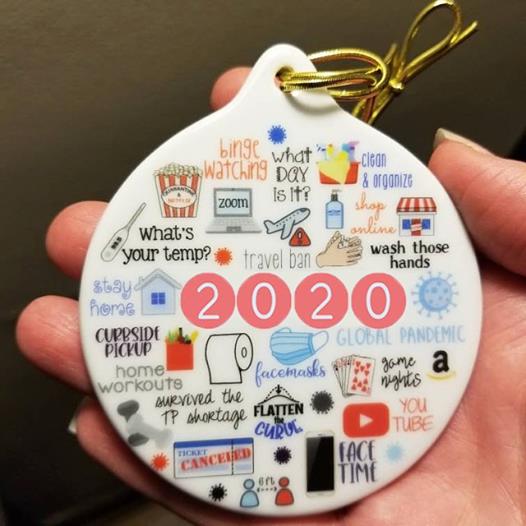
If anything good can be said about this past year, we must admit it has generated some hilarious memes.

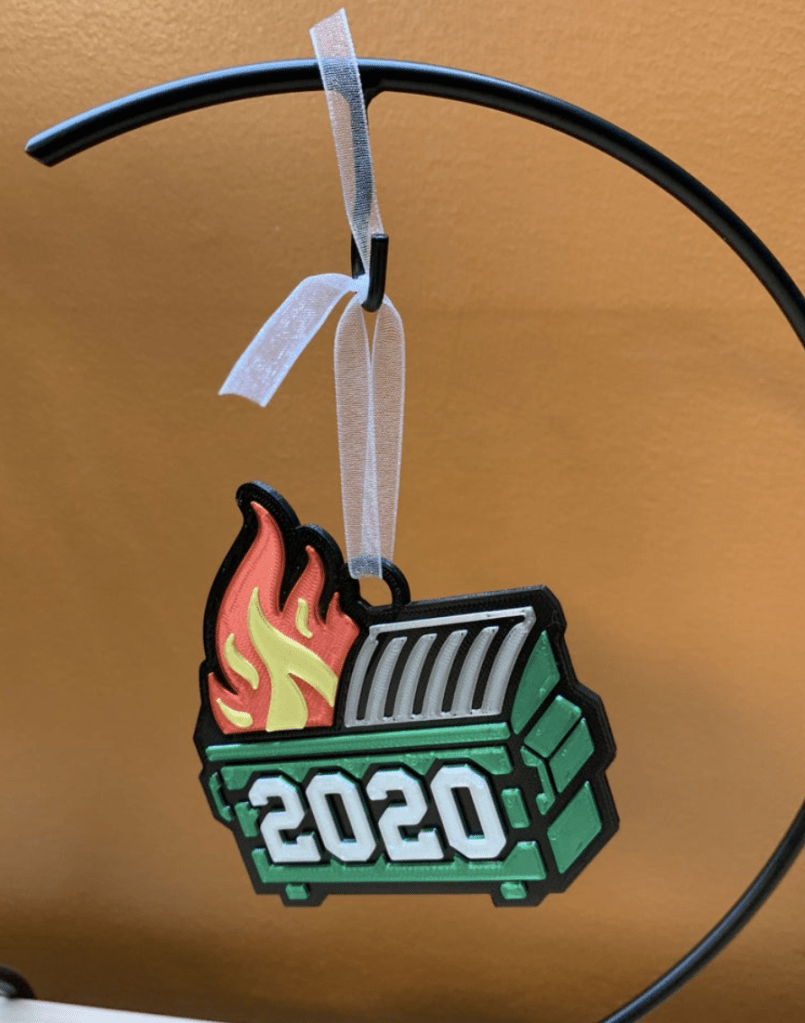
Since 2020 has lasted about 10 years, retailers have surely had enough time to introduce a 2020 Barbie. Not to mention the inevitable commemorative Christmas ornaments. Alas, this might not have been the best year to let our imaginations run wild when it comes to anything from Halloween candy to relaxing drinks to baby food. And Time Magazine may have missed a bet when designating their Person of the Year.

Enjoy.

And on a more serious note …

Our annual Christmas letter

Dear Family and Friends,

We certainly donโ€™t need to tell any of you what kind of a year this has been! Itโ€™s been a year like none other in our household โ€“ even that year when the Cubs finally won the World Series. Our little โ€œQuaranTeamโ€ (two humans and two cats) has been holed up in our home since March โ€“ which seems like last week and 10 years ago, both at the same time.

The good news: Weโ€™ve been learning lots of new things โ€“ like how to get our groceries delivered and how to use technological marvels like FaceTime and Zoom. Weโ€™re learning new recipes, because weโ€™re eating at home all the time now, something that hasnโ€™t happened before in our adult lives.ย Weโ€™ve started doing yoga at home too, since our exercise class for seniors went on hiatus when the pandemic hit. Who knew yoga could be so much work? Weโ€™re even relearning how to style long hair. Debiโ€™s hair hasnโ€™t been this long in 20 years, and Peteโ€™s hasnโ€™t been this long since his hippie days in the 1960s.ย 

In October Pete did a presentation for a virtual history conference (over Zoom, like everything else this year) for the Abraham Lincoln Presidential Library and Museum. The title was โ€œSwedes in Roger Williamsโ€™ Garden: Acculturation in Immigrant Churches, 1848-1860,โ€ and heโ€™s thinking of expanding it. In the meantime, it keeps him busy with something more constructive than posting political memes on social media. The photo here captures Pete doing his Zoom presentation from the comfort and safety of our home.

We have decided to use the enforced downtime constructively to write the books weโ€™ve been threatening to write nearly forever. Debiโ€™s book, with the working title We Need to Talk, will examine the polarization ripping apart our society and share her personal search for an appropriate Christian response. She has gotten several excerpts written so far, which sheโ€™s publishing on her blog Seriously Seeking Answers. Peteโ€™s been blogging, too, and there may be a book in the offing. Not that weโ€™re competitive, but in the middle of the night when he canโ€™t sleep, Pete has sometimes been detected outlining a book about Swedish immigrants (an expansion of the paper he presented for the virtual history conference) and quietly humming โ€œAnything You Can Do, I Can Do Better.โ€ 

Despite the lockdown, weโ€™ve continued to โ€œattendโ€ church every Sunday.ย Although our building has been closed for all but a few weeks since Lent, a dedicated team of volunteers quickly learned the technology necessary to make our virtual services happen. Weโ€™ve been able to participate in weekly Bible study and book group meetings via Zoom as well. Our community service committee has developed several creative ways for us to help people in need in the larger community. And we learned how to use another new technology โ€“ iMovie. Here, we made a video of ourselves sharing the peace, to be uploaded and used in an online church service.

Debi has also been busy cleaning the basement, garage, closets and cupboards, and Pete has been chipping away at the archaeological midden in his office. Who knows, we might actually come out of this quarantine having achieved one of Debiโ€™s life-long bucket-list items โ€“ a meticulously ordered household, with a place for everything and everything in its place, even in the garage and the basement.

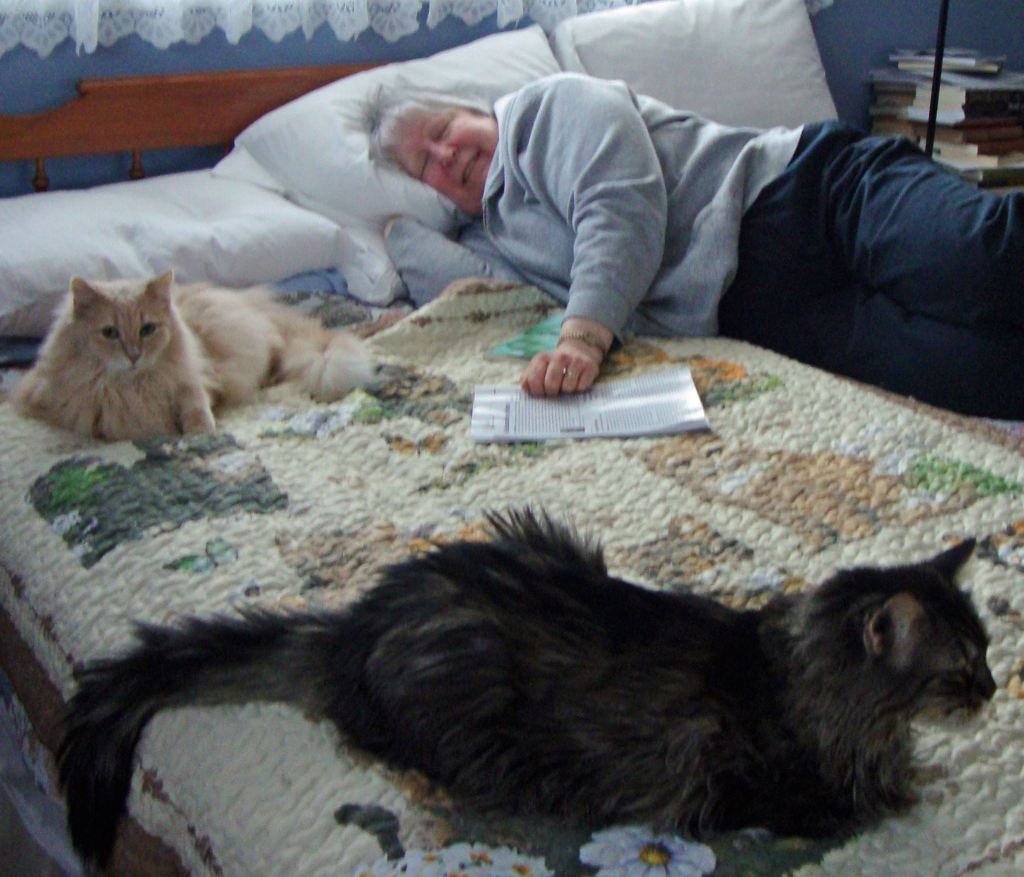
Oley and Champaign have provided their usual endlessly adorable companionship during this shelter-in-place adventure.ย They continue to be their sweet, lovable, ornery,ย mischievous selves, thusย making our isolation much more bearable.

So we all wish you a โ€œMeowyโ€ Christmas, and what we HOPE will be a much better New Year!

Blessings,

Book excerpt: How the Culture Wars affect us

Note: This is an excerpt fromย We Need to Talk,ย my book in progress, which examines the polarization ripping apart our society and shares my personal search for an appropriate Christian response. For an overview of the book and to read my previous excerpts, linkย HERE.

Some would argue that the extreme polarization in our society is normal and relatively harmless. We must simply learn to ignore the drama. Turn off the TV. Spend less time on social media sites.

If only it were that simple. 

Around the tables at 12-Step group meetings, people say itโ€™s important to distinguish between โ€œnormalโ€ and โ€œhealthy.โ€ Some situations and behaviors considered all-too-normal in our society are actually anything but healthy, they warn.

For example, it would be bad enough if the tide of anger and disrespect swirling around us served merely to put people in a surly, antisocial mood. Unfortunately, the damage doesnโ€™t stop there. On a societal level, our finger-pointing epidemic leads to everything from Congressional gridlock and loss of trust in our institutions to violence against individuals who belong to maligned groups. On a personal level, people report damaged relationships and higher levels of stress. Perhaps worst of all, our children are watching us. 

Here are some of the ways I see the Culture Wars affecting us, both personally and as a community.

  • Our relationships. In a study published by the journal PLOS ONE (link HERE), about 20 percent of respondents reported that political animosity had damaged their friendships. Nearly 40 percent of registered voters โ€“ both Democrat and Republican โ€“ surveyed by the Pew Research Center (link HERE) said they do not have a single close friend from the opposing party. Iโ€™ve watched some of my own Facebook friends โ€“ both conservative and progressive โ€“ shred each other on my news feed to the point where I needed to block them. Others have pressured me to โ€œunfriendโ€ or stop associating with people who voted the โ€œwrongโ€ way in an election. Iโ€™ve fretted about who to invite to gatherings at my house because I worried that one of my more opinionated guests might insult or offend another guest. Sadly, Iโ€™ve had loved ones decide theyโ€™re โ€œdoneโ€ with me because โ€œwe donโ€™t agree on anythingโ€ politically. 
  • Our livelihoods. Polarization can impact our jobs, along with our ability to support ourselves and our families. At the national level, our elected officials regularly threaten to โ€œshut down the governmentโ€ unless they get their way on hot-button priorities. In the past few years, government shutdowns have resulted in workers getting furloughed until the impasse is resolved. In Illinois, where I live, social service agencies were forced to conduct massive layoffs when our legislators and the governor held the state budget hostage for two years while fighting over ideological agendas. 
  • Our civic engagement. The Culture Wars may boost TV ratings and generate clicks for social media advertisers. But the toxic nature of our conflicts leaves too many of us wanting to drop out of the civic arena entirely. Hidden Tribes (link HERE), a survey of public opinion by the organization More in Common, says two-thirds (67 percent) of Americans belong to a group the authors have dubbed โ€œthe Exhausted Majority.โ€ Although members of this group have many political and ideological differences, they share fatigue with the current state of U.S. politics. The relentless back-and-forth arguments have rendered many folks just plain fed up and wondering if the U.S. can move beyond division, according to the report. At least a quarter (26 percent) of those surveyed report feeling detached, distrustful and disengaged. On a personal level, the warring factions leave me wanting to grab a good book and a flashlight and dive under the bed with my cat.
  • Our conversations. No matter how innocuous or trivial the topic, many of us have become reluctant to express our true thoughts. Personally, Iโ€™m not afraid that people might disagree with me, which is fine, or even that someone might prove me wrong, which I can live with. But I do tend to avoid speaking up in situations where I might get name-called or otherwise bullied, and several friends have reported having similar experiences. I donโ€™t think this makes us snowflakes. It means we practice good self-care. Unfortunately, this situation puts a damper on our ability to engage in anything more than the most superficial small talk with others.
  • Our credibility. Name-calling, flaming, trolling and other rude behavior donโ€™t just stop genuine discussion in its tracks. Obnoxious behavior invites others to take us less than seriously. When we lash out with insults toward those who disagree with us, we only give others an excuse to discount us and dismiss our message. 
  • Our ability to profit from advice. Lately Iโ€™ve noticed that the constant vitriol has made both me and others more reactive, less able to tolerate even the mildest, most constructive criticism. I donโ€™t think this is entirely a matter of our having overly delicate egos. What passes for criticism is so pervasive and so relentless that we all feel like weโ€™ve had our lifetime quota and cannot bear even one more iota of โ€œfeedback.โ€ How many times can we hear words like โ€œmoronโ€ and โ€œNaziโ€ directed toward ourselves before even the most thick-skinned among us gets defensive and shuts down?
  • Our ability to fix or learn from mistakes. People these days find it almost impossible to admit when they are wrong. Again, I think this goes beyond fragile egos. I suspect one factor is that the punishment so often exceeds the crime. We donโ€™t just ask people to repair the damage when they make mistakes. We sue them for everything theyโ€™ve got so we can make an example of them. We donโ€™t just fire people. We seek to ruin their entire careers in the name of โ€œaccountability.โ€ We โ€œcall them out,โ€ target them for public humiliation and attempt to โ€œcancelโ€ them like credit cards. No wonder people are afraid of even the appearance of being wrong.
  • Our ability to resolve real problems. While we bicker incessantly, genuine problems go unaddressed. Raging war in various global hotspots creates millions of refugees. Thousands of children worldwide die each day of starvation and/or totally preventable diseases. Nearly a third of all children in the U.S. live in poverty. Because of Congressional gridlock, our elected officials are completely unable to come up with sensible policy on issues ranging from immigration, health care and our crumbling infrastructure to criminal justice reform and how to manage a pandemic.
  • Our trust. We donโ€™t trust anyone these days โ€“ not the government, not the press, not the police, not doctors or scientists, and not even the church. According to a recent Gallup poll (link HERE), barely half (51 percent) of Americans expressed โ€œa great dealโ€ or โ€œquite a lotโ€ of confidence in the medical system. Fewer than half expressed similar confidence in the police (48 percent), the church/organized religion (42 percent), public schools (41 percent), the Supreme Court (40 percent), banks (38 percent), or large technology companies (32 percent). Fewer than a quarter expressed confidence in the criminal justice system (24 percent), big businesses (19 percent), newspapers (24 percent) or television news (18 percent). A measly 13 percent of us expressed confidence in Congress.
  • Our physical health. It would be nice if our elected officials could sit down like mature adults and work out a comprehensive policy to ensure appropriate health care is available to everyone, regardless of income or pre-existing medical conditions. Instead, members of Congress insist on turning our health care into a political wedge issue. Disastrously, the Culture Wars have rendered our national and state governments totally unable to effectively address either the medical or the economic fallout of COVID-19. The tricky part for the rest of us is figuring out how to separate the progressive-versus-conservative political spin from the medical information we need to know in order to protect ourselves from a potentially deadly virus. 
  • Our mental health. In โ€œStress in America 2020,โ€ an annual survey published by the American Psychological Association (link HERE), 68 percent of adults named the current political climate in the U.S. as a source of stress. Republicans and Democrats were equally likely to say this was true for them. Three in five (60 percent) say the sheer number of issues America faces currently โ€“ ranging from racism and immigration to health care, the economy and climate change โ€“ is overwhelming to them. As anxiety arising from the COVID-19 pandemic has been added to our tension over these already existing conflicts, our stress levels have skyrocketed to the point that APA has sounded an alarm: โ€œWe are facing a national mental health crisis that could yield serious health and social consequences for years to come.โ€
  • Our faith. The Culture Wars have literally split congregations down the middle in recent years, and major denominations have faced schisms over such issues as LGBTQ rights, abortion and the role of women. How do we have conversations about genuine moral issues such as racism or poverty when important Biblical passages are labelled โ€œtoo politicalโ€ and therefore off-limits for discussion? For those of us who claim to be people of faith, spewing hurtful and gratuitous snark on Christian social media sites gives the increasing numbers of young people who identify as โ€œnoneโ€ ammunition to call us hypocrites and declare they want nothing to do with either us or our religion. 
  • Our safety. Taken to extremes, polarization can promote dehumanization and lower the threshold for violence. Democratic Congresswoman Gabrielle Giffords and Republican Congressman Steve Scalise were shot by mentally unstable individuals who took our societyโ€™s heated political rhetoric too literally. Other elected officials from both parties routinely receive death threats in response to their policy decisions. We have groups on both the left (such as Antifa) and the right (such as the Proud Boys) who endorse violence as a legitimate way to achieve political ends. Perhaps more disturbing, a Voter Study Group survey (link HERE) found that 16 percent of ordinary Americans felt that violence is sometimes justified to advance political goals. Weโ€™re not even safe in our places of worship โ€“ mass shootings have occurred in Christian churches, Jewish synagogues, Muslim mosques and a Sikh temple. 
  • Our children. Do we really think our kids donโ€™t notice the mudslinging weโ€™ve come to regard as normal for political campaigns? Or the car with the middle-aged driver and the bumper sticker that tells us what we can eat if we donโ€™t like the ownerโ€™s driving? Or the (alleged) adults who consider โ€œflamingโ€ a popular sport on social media? Or the talk show host who refers to ideological opponents as โ€œwackosโ€? Iโ€™ve heard parents and teachers alike share concerns about children and adolescents watching political debates because of the abundance of name-calling, constant interruptions and generally uncivil behavior. Young people looking to adults for an example of how to behave could be excused for concluding that rudeness is clever. Kids who take their cues from their elders might also get this message: Consideration for others is passรฉ.

So, is extreme polarization normal in our society? Unfortunately. Is it healthy or harmless? Hardly.

Questions for readers: How has our societyโ€™s polarization impacted you personally? How do we become part of the solution rather than part of the problem? Iโ€™d love to hear your responses to these questions, as well as your comments on this article. Just hit โ€œLeave a Replyโ€ below. When responding, please keep in mind the guidelines Iโ€™ve outlined on my Rules of Engagement page (link HERE).

An early Advent

Perhaps theyโ€™ve been seeking an antidote to the harrowing nature of 2020 so far, but an unusual number of my friends have started the Christmas season early this year and have been posting photos of their trees and other decorations on Facebook.

Most years I make a practice of declaring to anyone who cares to listen, โ€œI donโ€™t even think about Christmas until the day after Thanksgiving. One holiday at a time, folks.โ€ 

And I studiously have NOT shopped on Black Friday for years, both because I hate crowds and because I donโ€™t want to enable department stores that make their employees leave their families in the middle of Thanksgiving dinner so adult customers can get a head start on fighting over the latest must-have toy. (I certainly donโ€™t intend to do so this year either.)

But I must admit Iโ€™ve been having more than my usual share of โ€œBah! Humbug!โ€ moments with the pandemic surging again. In fact, Iโ€™ve been so depressed I had seriously considered not even bothering to put up a tree or decorations this year. After all, being in lockdown means we wonโ€™t be entertaining any family or friends at our house. 

So I decided it wouldnโ€™t hurt to follow my friendsโ€™ example and start observing Advent early this year myself.

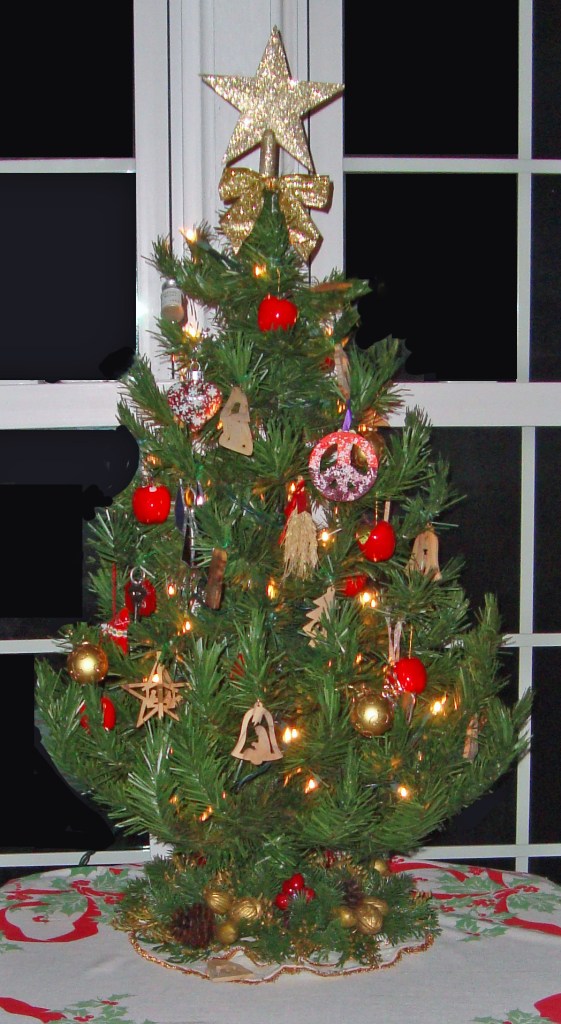
We have a small artificial tree that fits on a table, the better to keep curious pets away from the ornaments. 

I love to go all-out in the sun room. The blaze of lights brings so much cheer on cold, dark mornings.

As if it could read my mind, our Christmas cactus actually started blooming early this year. (It usually doesnโ€™t start blooming until December.)

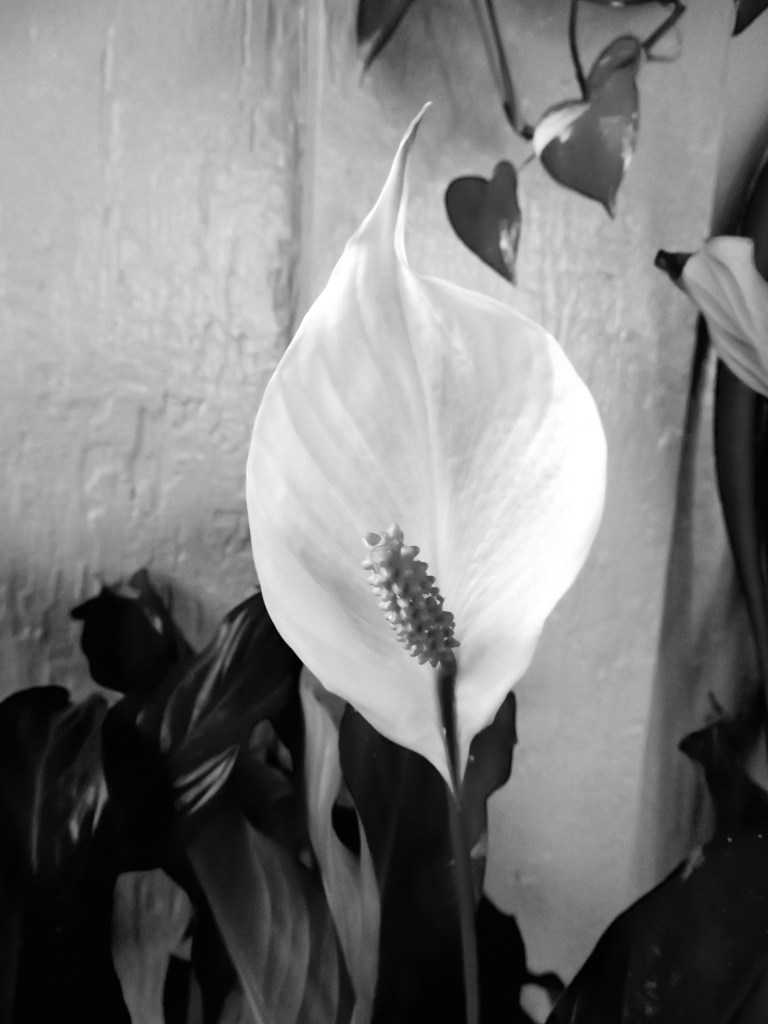
And the peace lily, which usually doesnโ€™t bloom this time of year at all, has decided to add its contribution.

A ceramic Nativity Scene my mother made for me has a place of honor in our china cabinet. Yes, thatโ€™s a cat next to the manger. We all know how cats have to be in the middle of things whenever something important is going on, and what could possibly be more important than the birth of our Savior?

At our house, we have an annual tradition of listening to Handelโ€™s Messiah all the way through while putting up the tree and decorations. My favorite part is the Hallelujah chorus, which I could listen to over and over again like a teenager.

There, Iโ€™m starting to perk up already.