Recipe: Garbanzo beef

For those seeking ways to cut back on pasta consumption, this recipe offers a variation on the ever-popular beefy mac. Add a green salad for a deliciously filling meal.

I’ve substituted garbanzo beans for the noodles to cut down on processed carbs and add fiber. To increase the vegetable-to-meat proportions, I’ve also doubled the amounts of mushrooms, garbanzos and tomatoes and used an extra-large pepper and onion. 

If you’re looking to cut the amount of red meat in your diet, and the saturated fat and cholesterol that come with it, feel free to use ground turkey instead of ground beef. Or, if you want to go vegan, use your favorite plant-based “beef” crumbles. I’ve used the Boca veggie crumbles and found they work very well.

As usual, I use reduced-sodium versions of products whenever available, and do not add salt to this recipe, but include enough spices that I really don’t miss the salt.

Garbanzo beef freezes well, and so lends itself to batch cooking.

This recipe makes approximately 8 servings.

Ingredients

  • 1 tablespoon olive oil
  • 1 pound lean ground beef, ground turkey or plant-based “beef” crumbles
  • 1 large onion, chopped
  • 1 large green pepper, chopped
  • 2 10-ounce jars sliced mushrooms
  • 1 28-ounce can reduced-sodium diced tomatoes
  • 2 16-ounce cans reduced-sodium garbanzo beans
  • ½ teaspoon black pepper
  • 1 tablespoon Italian seasoning
  • 1 teaspoon garlic powder
  • 1 tablespoon low sodium Worcestershire sauce

Directions

Sauté the onion, green pepper and mushrooms in olive oil until tender and caramelized. Set aside.

Brown the ground beef or turkey and drain excess fat. Or, if using veggie crumbles, brown according to package directions.  

Combine the ground meat/veggie crumbles and spices with the onion, green pepper and mushroom mixture, stirring until well blended.

Add the tomatoes (with their juice) and drained garbanzo beans and simmer on medium heat for about 15 minutes or until the liquid is gone.

Nutrition information

Made with ground beef

Serving size: 1¼ cups | Calories: 260 | Carbohydrates: 10 g | Protein: 11 g | Fat: 19 g | Saturated Fat: 9 g | Cholesterol: 83 mg | Sodium: 184 mg | Potassium: 284 mg | Fiber: 3 g | Sugar: 2.5 g | Vitamin A: 1% | Vitamin C: 21% | Calcium: 5% | Iron: 6% 

Made with ground turkey

Serving size: 1¼ cups | Calories: 152 | Carbohydrates: 10 g | Protein: 13 g | Fat: 7 g | Saturated Fat: 1.5 g | Cholesterol: 40 mg | Sodium: 175 mg | Potassium: 284 mg | Fiber: 3 g | Sugar: 2.5 g | Vitamin A: 1.5% | Vitamin C: 21% | Calcium: 5% | Iron: 4% 

Made with veggie crumbles

Serving size: 1¼ cups | Calories: 120 | Carbohydrates: 14 g | Protein: 11 g | Fat: 2 g | Saturated Fat: .5 g | Cholesterol: 0 mg | Sodium: 287 mg | Potassium: 355 mg | Fiber: 6 g | Sugar: 2.5 g | Vitamin A: 0% | Vitamin C: 21% | Calcium: 7% | Iron: 6% 
Recipe: Pete’s chicken and spinach soup

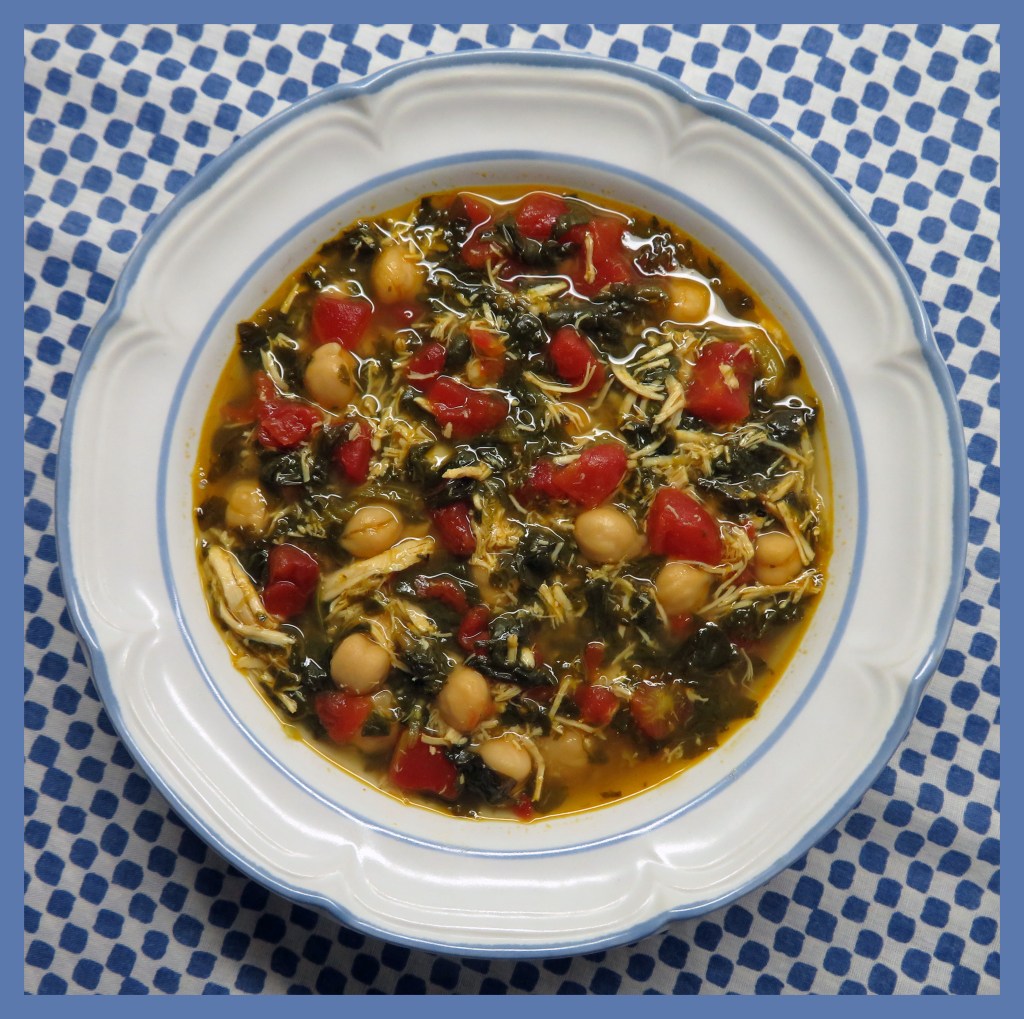
My husband came up with this recipe and it’s definitely a keeper.

There’s so much healthy stuff (like protein, veggies and fiber) and so little of the bad stuff (like added salt) that if he weren’t making it himself, I’d probably have to hide the ingredient list to get him to try it.

Plus, it’s easy-peasy to make. Pete says he has the recipe perfectly timed to prepare during the nightly PBS News Hour. 

And it’s delicious! What’s not to love?

This recipe makes approximately 6 one-cup servings.

Ingredients

  • 2 large boneless, skinless chicken breasts
  • 16-ounce can reduced-sodium garbanzo beans
  • 14.5-ounce can reduced-sodium diced tomatoes
  • 9-ounce package frozen chopped spinach
  • 32-ounce container low-sodium chicken broth
  • 2-3 bay leaves
  • 1 teaspoon powdered garlic
  • 1 teaspoon paprika 
  • 1/2 teaspoon cumin
  • 1/2 teaspoon dried cilantro leaves
  • Aleppo pepper flakes to taste (may be added at the table)

Instructions

Add chicken breasts and bay leaves to the broth in a large soup kettle and bring to a boil. Reduce heat and simmer until the chicken is cooked all the way through.

Shred or dice the chicken and return to the broth. 

Thaw the spinach in the microwave oven and add to the mixture.

Add the remaining ingredients and simmer an additional 20-30 minutes. 

Nutrition information

Serving size: 1 cup | Calories: 100 | Carbohydrates: 6 g | Protein: 14 g | Fat: 2 g | Saturated Fat: 0 g | Cholesterol: 30 mg | Sodium: 230 mg | Potassium: 320 mg | Fiber: 2 g | Sugar: 1 g | Vitamin A: 23% | Vitamin C: 22% | Calcium: 4% | Iron: 8% 

Adding and subtracting for Lent

When it comes to healthy eating, I’m not one to weigh and measure every single thing I put on my plate. Nor do I have the patience to constantly track calories. My common sense tells me to avoid crash diets that ask us to eliminate whole food groups, even if they promise to take off ten pounds in one week. And I’ve learned the hard way that putting any item on a forbidden list only makes me suddenly crave it.

For me, taking off weight has required developing sustainable habits I don’t need to think about – at least not too much – once they’re established. And what better time to initiate a new positive habit than during Lent? Some experts say it takes about 30-40 days for a habit to get firmly established, so the time frame is perfect.

In recent years, some people I know have added a new tradition to their annual Lenten discipline. Instead of (or in addition to) giving something up, they approach Lent as a time to “take something on.” This could include anything from daily prayer and meditation to better self-care to a new charitable commitment.

Since Ephesians 4:22-24 tells us to put off the “old self” and put on a “new self,” I’ve begun including both a sacrifice – or “subtraction” – and an “add-on.” That is, I dedicate each Lenten season to acquiring a new positive eating habit as well as ditching a negative one. 

This addition/subtraction process makes sense to me psychologically. Experts agree shedding a habit can be hard unless we replace it with something else. Examples I’ve adopted include replacing salt with herbs and spices, replacing “refined” starches with more fiber-rich whole foods, and replacing sugar- and fat-laden munchies with “legal” snacks.

Over the years, these small tweaks to my eating habits have yielded great long-term benefits. Here are some habits I’ve added and subtracted during the past few Lenten seasons, along with a couple new ideas I will be working on this year:

  • Subtract added sugar. I’ve found that some things – cornbread, applesauce, dry cereal, iced tea – actually taste better when they’re not gunked-up with added sugar. I’ve also become an inveterate label reader because I’ve learned that manufacturers sneak the nefarious substance into all kinds of foods where one wouldn’t expect to find it, from ketchup and peanut butter to fat-free yogurt. Thankfully I’ve discovered “no added sugar” versions of all these things.
  • Add fruits and vegetables. The U.S.D.A. recommends we eat at least 3-5 vegetable and fruit servings per day. I’ve come up with several ways to slip more of these into my diet – adding a small salad to my lunch, adding spinach or other veggies to pasta dishes, replacing soda with a small glass of V-8 juice. See my blog post “Meeting My 3-5 Challenge” (link HERE) for a list of ideas.
  • Subtract added salt. Again, I always check labels – more and more popular brands now offer reduced-sodium versions of their soups, sauce mixes and other products. Frozen vegetables are just as nutritious as fresh produce, and less likely to contain salt than canned veggies. Since I’ve begun replacing the added salt called for in many of my recipes with herbs and spices, I’ve found I don’t even miss the salt.
  • Add fiber. One easy way to do this is to substitute whole-grain bread, cereal and pasta for the refined stuff. Other good sources of fiber include raw veggies, avocados, berries, legumes, nuts and seeds. I also don’t peel potatoes, cucumbers or apples.
  • Subtract red meat. Being a Midwesterner raised on a farm, I grew up eating lots of beef and pork. While I don’t plan to eliminate these from my diet – at least not at this time – I have begun to replace some “red-meat” meals each week with fish, chicken, eggs or a plant-based protein such as beans or lentils. 
  • Add healthy snacks. I’ve developed a repertoire of “legal” between-meal nibbles. Best are munchies that help me meet my daily quota of fruits and vegetables, such as fresh fruit chunks and raw veggies with dip. Also good are snacks that have higher protein content and fewer carbs, such as a small dish of sugar-free pudding made with fat-free milk, or snacks high in fiber such as air-popped popcorn.
  • Subtract impulse buys. I’ve found it much easier to avoid eating “junk” if I don’t bring it into the house in the first place. Grocery shopping with a list helps, as does not shopping when I’m hungry. Since the pandemic began, I’ve been ordering groceries online and having them delivered, which makes avoiding impulsive purchases so much easier that I plan to continue shopping this way once the quarantine is over.
  • Add portion control. The “plate method” suggested by the American Diabetes Association is attractive because there’s no weighing, measuring or calorie-counting. (Note: You don’t have to be diabetic to use it.) The plate method involves filling half a nine-inch plate with non-starchy vegetables such as lettuce, broccoli or carrots, one-quarter of the plate with whole grains or starchy vegetables such as corn or potatoes, and one-quarter of the plate with a protein source. For detailed information on the plate method, link HERE and HERE.
Source: Centers for Disease Control

I feel it’s important for me to point out that I didn’t make all these changes at once. Each Lenten season, I’ve made one or two small changes at a time, which means the new habits have been acquired over a period of years. For example, the first year I focused on subtracting added sugar and adding more fruits and veggies on my plate. Since then, I’ve added/subtracted a new habit or two each year. This year I will be working on avoiding impulse buys and using the plate method for better portion control. Baby steps, as my spiritual advisor always liked to say.

The good news: These baby steps really do work. So far, I’m about 25 pounds down from my top weight. Yes, the weight has come off much more slowly than it would have with a crash diet, but the bottom line is that it’s staying off.

Recipe: Hoppin’ John

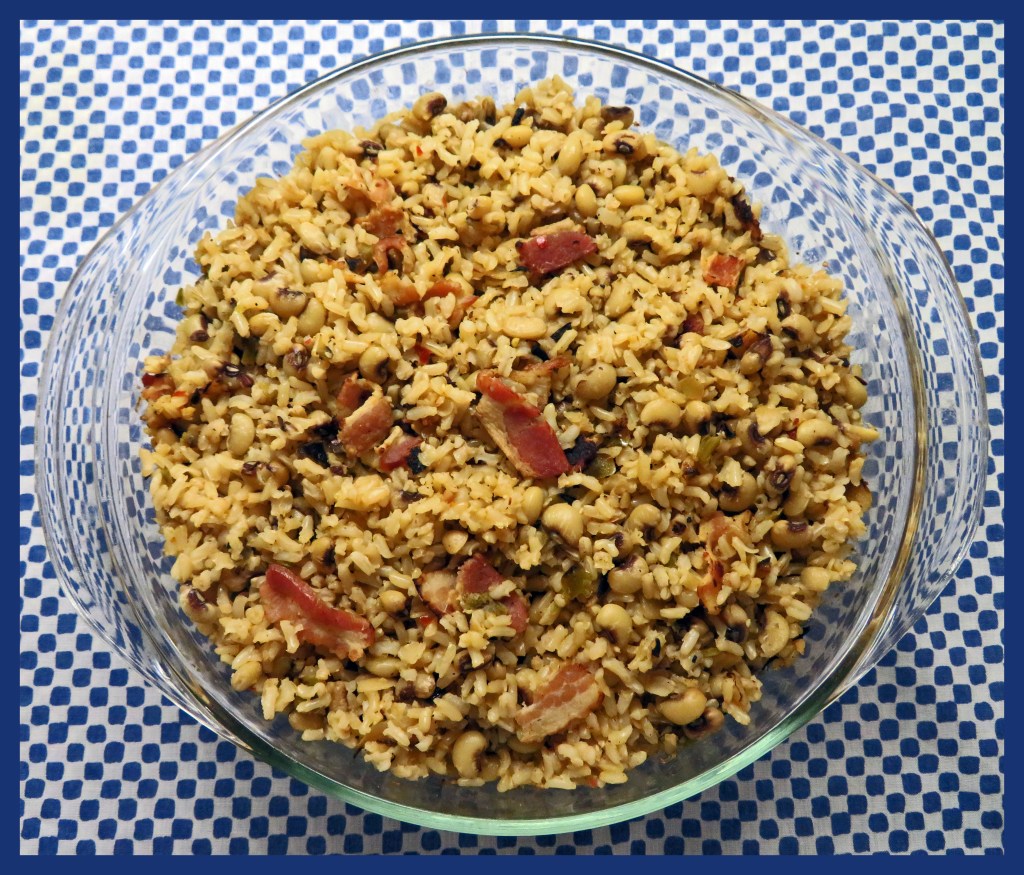
For several years now, Pete and I have enjoyed a New Year’s Day tradition of inviting friends to our house for hoppin’ john, greens and cornbread.

Hoppin’ john is a traditional southern dish made with black-eyed peas and rice, and is said to bring good luck if eaten on New Year’s Day. My husband, who grew up in East Tennessee, brought the recipe with him when he moved to Illinois. 

As usual, I’ve modified the recipe somewhat to meet my dietary restrictions. For my version of hoppin’ john, I use brown rice – the frozen kind for convenience. I’ve actually come to prefer brown rice for its nutty texture. Plus, it has more healthy fiber than the more heavily processed white rice. I cook the bacon separately and drain off the grease before adding it to the recipe, which allows me to add some delicious bacon flavor without so much saturated fat, and I sauté the onion and pepper separately in olive oil. I use Tony Chachere’s no-salt seasoning blend in place of salt. Low sodium chicken broth adds flavor.

We serve the dish with greens and cornbread, which are said to further ensure prosperity for the coming year. For the cornbread, I use Martha White self-rising buttermilk corn meal mix, and follow the recipe on the back of the package. This brand of corn meal mix does NOT have added sugar, which not only makes it better for my diabetic diet, but also more authentically southern.

Most years, our friends bring their own favorite dishes, along with their musical instruments, making for a great potluck feast and jam session. What better way to start the New Year off right?

Unfortunately, this year we’ll be celebrating with just the two of us because of the pandemic. But our friends will be with us in spirit, and the leftover hoppin’ john freezes very well.

This recipe makes about eight one-cup servings.

Ingredients

  • 2 10-ounce packages frozen whole grain brown rice
  • 1 12-ounce package frozen black-eyed peas
  • 3 slices bacon, crumbled
  • 1 medium onion, chopped
  • 1 green pepper, chopped
  • 2 tablespoons olive oil
  • 1/2 teaspoon Tony Cachere’s no-salt seasoning blend
  • 1/2 teaspoon red pepper flakes
  • 1/4 teaspoon black pepper
  • 32-ounce carton low-sodium chicken broth

Directions

Combine black-eyed peas and chicken broth in a saucepan and bring to a boil. Turn down the heat and simmer for about 20 minutes, stirring occasionally.

Thaw the brown rice in the refrigerator overnight, or heat in the microwave oven following package directions.

Cook the bacon on a plate lined and covered with paper towels in the microwave oven for 3-4 minutes, or until crisp, and crumble the bacon.

Sauté the onion and pepper in olive oil until tender and caramelized, and sprinkle in the no-salt seasoning, red pepper and black pepper.

Combine rice, black-eyed peas (with broth), bacon and sautéed vegetables. Add one cup water and stir until thoroughly mixed.

Pour into baking dish and cover with aluminum foil. Bake in 425-degree oven for 25-30 minutes, or until all liquid has been absorbed by the rice. Stir again and serve hot.

Nutritional Information

Serving size: 1 cup | Calories: 240 | Carbohydrates: 38 g | Protein: 8 g | Fat: 6 g | Saturated Fat: 1 g | Cholesterol: 3 mg | Sodium: 125 mg | Potassium: 305 mg | Fiber: 4 g | Sugar: 1 g | Vitamin A: 1% | Vitamin C: 20% | Calcium: 1.5% | Iron: 6% 

Recipe: Peanut butter cup pie

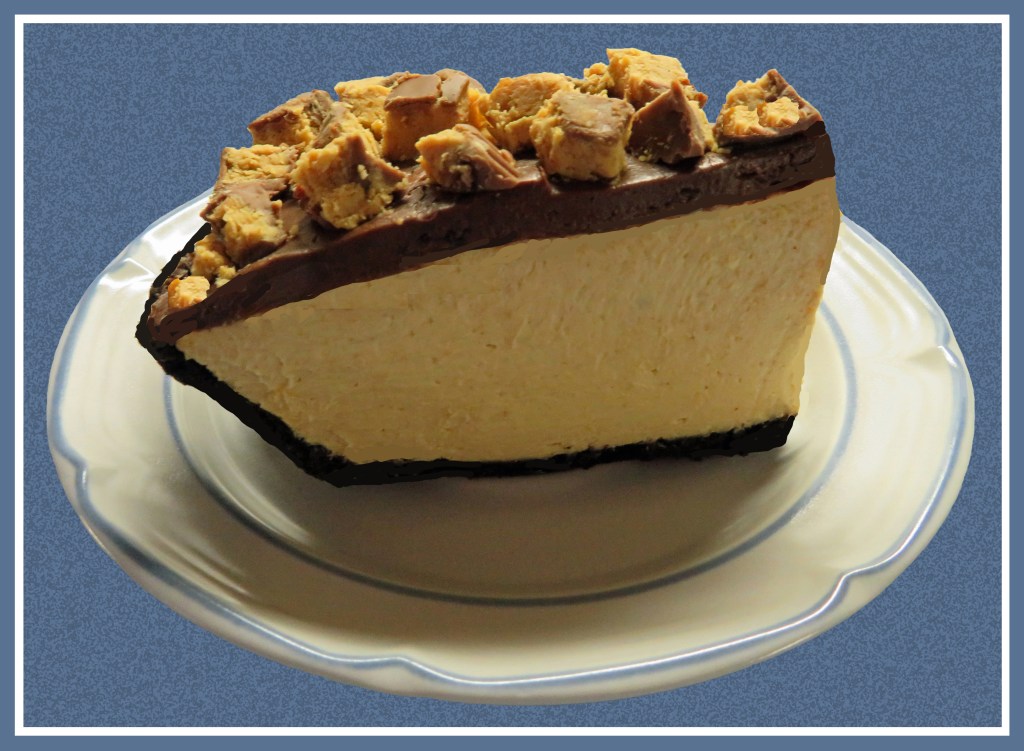
One of my absolute favorite comfort foods is peanut butter. So, a real treat for me was the Chocolate Peanut Butter Cup pie at Baker’s Square Restaurant and Bakery, a local Midwestern chain restaurant known for its amazing pies. (Alas, the restaurant has sadly closed.)

The dessert, of course, was meant to resemble an actual Reese’s peanut butter cup (my all-time favorite candy), with its chocolate graham cracker crust, peanut butter cheesecake filling and chocolate ganache topping liberally sprinkled with chopped peanut butter cups. Ah-h-h-h!

The bad news: Each slice contained a whopping 830 calories. Even more scary was the delectable dessert’s heavy fat and sugar content – 56 grams of fat and 63 grams of sugar. The online recipes that came closest to duplicating the restaurant version – with their heavy cream and astronomical sugar content – flunked the nutritional test nearly as badly.

The good news: With just a few ingredient tweaks, I’ve been able to improve the dessert’s nutritional content considerably. So, I get to have my pie and eat it too, so to speak. Better yet, this no-bake recipe is fairly simple to make. The pie also freezes well for up to three months, so it can be enjoyed a slice at a time over a period of several weeks.

Replacing regular cream cheese with the fat-free variety cuts nearly 12 grams of fat and 140 calories from each serving. I further reduce the calories, fat and sugar content by using sugar-free Cool Whip, sugar-free vanilla pudding made with fat-free milk, sugar-free chocolate frosting and even sugar-free peanut butter cups.

Bottom line: Sorry, this still is not a totally low-calorie treat – but I’ve managed to cut out about half the calories, half the fat and nearly all of the sugar. And I swear there is NO sacrifice in taste. Plus, this version actually has some nutritional value – about the same protein content as a 3-ounce hamburger patty, in fact.

Of course, one way to further cut the calorie content as well as fat and sugar consumption is to control portion size. Cutting the pie into 12 servings rather than the standard 8 still allows for a somewhat generous slice (in fact, a slightly bigger slice than I got when splitting the restaurant dessert with a friend, which I sometimes did). Below, I’ve provided nutrition information for a smaller slice (12 servings per pie) and a larger slice (8 servings per pie).

Note: I’ve included brand names for some of the ingredients I use because of the marked differences in taste and quality between the various fat-free and sugar-free products. These are the brands that have worked best for me in terms of flavor, and which don’t just replace fat content by increasing sugar content. I always have to watch for this when using reduced-fat products.

Ingredients

  • 8-inch pre-made Oreo pie crust
  • 8-ounce package fat-free Philadelphia cream cheese
  • 8-ounce package fat-free Philadelphia cream cheese
  • ½ cup peanut butter
  • Small (1 ounce) package Jell-o brand sugar-free vanilla pudding mix
  • 1 cup fat-free (skim) milk
  • 1 cup sugar-free Cool Whip whipped topping
  • ½ of 15-ounce container Pillsbury sugar-free chocolate fudge frosting
  • 8.8-ounce bag Reese’s sugar-free miniature peanut butter cups

Directions

Prepare pudding according to package instructions but using only one cup of milk. Add whipped topping and stir until blended. 

Add cream cheese and peanut butter. Blend thoroughly in a food processor or blend using a food processor stick. (You may wish to add the cream cheese a small chunk at a time or soften it in the microwave oven about 30 seconds to one minute to make the blending process easier.)

Spoon mixture evenly into pie crust and refrigerate at least four hours until pie filling is firm. Or place in the freezer for about a half hour.

Soften frosting by placing in the microwave oven for up to 30 seconds and then stirring. Spread the frosting evenly over the cheesecake.

Chop the peanut butter cups and sprinkle over the top.

Nutrition information

Servings: 12 | Calories: 335 | Carbohydrates: 44 g | Protein: 8 g | Fat: 20 g | Saturated fat: 2 g | Cholesterol: 4 mg | Sodium: 400 mg | Potassium: 143 mg | Fiber: 4 g | Sugar: 7 g | Vitamin A: 1% | Vitamin C: 0% | Calcium: 2% | Iron: .5% 

Servings: 8 | Calories: 502 | Carbohydrates: 66 g | Protein: 12 g | Fat: 30 g | Saturated fat: 4 g | Cholesterol: 6 mg | Sodium: 600 mg | Potassium: 215 mg | Fiber: 6 g | Sugar: 11 g | Vitamin A: 2% | Vitamin C: 0% | Calcium: 3% | Iron: 1% 

Recipe: Chicken and vegetable pozole

Pozole is a traditional Mexican soup made with hominy, meat (usually pork or chicken) and lots of delicious seasonings.

As anyone who regularly follows my blog knows, I’m always looking for ways to sneak more wholesome stuff like vegetables and fiber into my diet while ditching the bad stuff like added salt and sugar.

So I’ve created a variation on this favorite that reduces both calories and carbs, features extra veggies and eliminates added salt without sacrificing a bit of the flavor. It’s also gluten-free (be sure to check the label on the hominy). If you omit the chicken and substitute low-sodium vegetable broth for the chicken broth, it can even be made vegetarian.

This recipe makes about 10-12 cups of soup and is perfect for batch cooking. The soup can be frozen for up to three months.

Ingredients

  • 2 large boneless, skinless chicken breasts, diced
  • 1 32-ounce carton low-sodium chicken broth
  • 1 tablespoon oregano
  • 1 tablespoon ground cumin
  • 1 teaspoon basil
  • 1/2 teaspoon black pepper
  • 3 tablespoons lime juice
  • 3 bay leaves
  • 3 whole cloves
  • 2½ teaspoons chopped garlic cloves
  • 2 small zucchini or yellow squash, sliced and quartered 
  • 4-5 stalks of celery, sliced
  • 4-5 carrots, sliced
  • Medium green pepper, quartered and sliced
  • Medium onion, quartered and sliced
  • 1 16-ounce can white or golden hominy (pozole)

Directions

Stir together the oregano, cumin, basil and black pepper in a small bowl.

Add the chicken, blended spices, lime juice, bay leaves, garlic and cloves to the broth and bring to a boil. Reduce heat and allow to simmer.

While the soup is simmering, chop/slice the squash, celery, carrots, onion and pepper and add to the mixture.

Add 4-5 cups of water, or until the soup is of desired thickness.

Continue to simmer for about a half hour, or until vegetables reach desired softness (slightly al dente) and chicken is completely cooked.

Add the hominy when the vegetables are nearly cooked through.

Nutrition information

Serving size: 1 cup | Calories: 75 | Carbohydrates: 8 g | Protein: 9 g | Fat: 1 g | Saturated Fat: 0 g | Cholesterol: 25 mg | Sodium: 130 mg | Potassium: 372 mg | Fiber: 2 g | Sugar: 3 g | Vitamin A: 85% | Vitamin C: 30% | Calcium: 2% | Iron: 3% 

Meeting my 3-5 Challenge

One of my priorities is to stay healthy for as long as possible and help my husband do the same. Toward this end I’m working to develop the habit of eating 3-5 servings of fruits and vegetables each day, as recommended by nutrition experts. 

I must confess that, for too many years, our eating habits resembled those of a rebellious 10-year-old. (Vegetables are gross! Give me ice cream!)

Add to that, the challenge of finding veggies my husband and I can both stand. We each have veggies we like and veggies we loathe. Problem is, the ones I like are too often on his “loathe list” and vice versa.

Fortunately, I’ve discovered all kinds of relatively painless ways to sneak more fruits and vegetables past our lips:

  • Add a glass of juice or a small bowl of fresh fruit to our breakfast (one fruit serving).
  • Add a small salad to other meals (one or two veggie/fruit servings, depending on the salad ingredients).
  • Turn a ho-hum sandwich into a Dagwood by piling on shredded lettuce, tomato slices and thinly sliced purple onion (one veggie serving).
  • Cook up enough vegetables for each meal to ensure leftovers. This means I can create a veggie plate from time to time (several veggie servings in one sitting!).
  • Add vegetables like spinach, broccoli or mushrooms to pasta dishes such as lasagna or mac and cheese (one veggie serving).
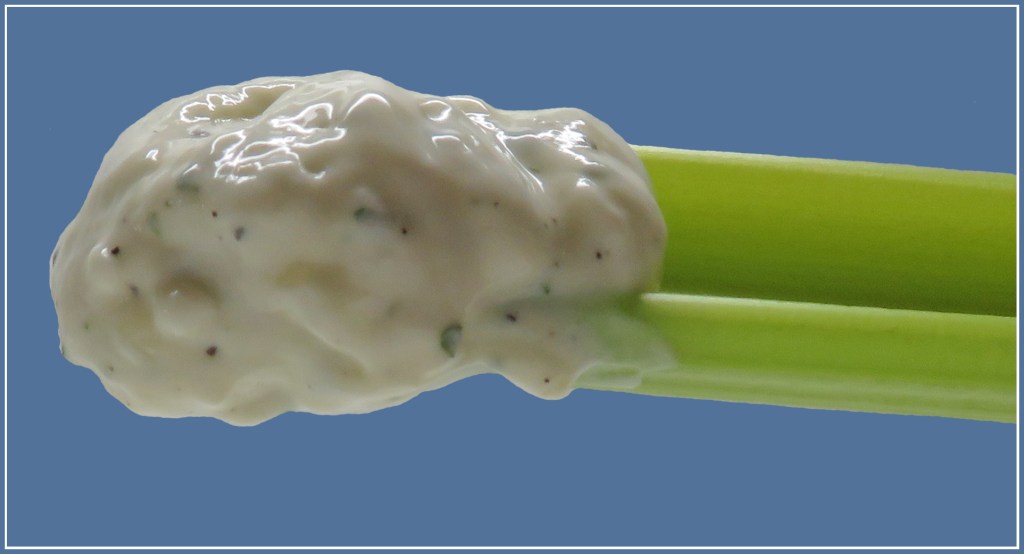
  • Munch on raw vegetables rather than potato chips. Baby carrots and celery sticks dipped in hummus make a great snack when I have that irresistible urge to nibble, and I usually consume enough of them to equal at least one vegetable serving.
  • Add cut-up fresh fruit and a couple spoonfuls of granola to a bowl of fat-free plain yogurt for another healthy snack (one fruit serving).
  • Replace my afternoon soda with an 8-ounce glass of V-8 juice (two veggie servings!).
  • Throw chunks of frozen fruit and yogurt into a blender – adding some Splenda if necessary – for a dessert that looks and tastes like soft-serve ice cream (one fruit serving, plus a bit of protein).
  • Order a la carte at restaurants. Although restaurant meals tend to include only one vegetable, I can often order a second one on the side for a small “upcharge.” 
  • Ask for substitutions, if this is allowed. When I mention my dietary restrictions, I can usually persuade food servers to replace fries or chips with a serving of coleslaw, fresh fruit or no-sugar-added applesauce (one fruit or veggie serving). 
  • Bring healthy snacks to gatherings. I’ve found that bringing a bountiful veggie platter with dip gives me something to nibble on instead of the fat and sugar-laden hors d’oeuvres usually on offer. This helps me add an extra veggie serving to my daily quota as well.

For more ideas and recipes, see the new “Recipes” page I’ve created. Link HERE.

Recipe: Spinach quiche

What a delicious way to sneak an extra veggie serving into our meals and meet our daily 3-5 fruits and vegetables challenge! By using Egg Beaters and fat-free feta cheese, I cut out most of the fat and cholesterol usually found in this kind of recipe. 

I use store-bought pie crusts – much easier! If you’re looking for a healthy alternative or have dietary restrictions, Wholly Wholesome makes whole wheat, as well as gluten-free ready-made crusts (link HERE).

One thing I love about this quiche is its versatility. I may have a slice for breakfast, for lunch or for a light evening meal. Depending on the meal, pair it with either a fresh fruit cup or a salad.

Another thing I like is that this quiche freezes well for up to three months, which means the recipe lends itself to batch cooking.

Ingredients

2-3 large cloves garlic, minced
1 tablespoon olive oil
1 10-oz. package frozen chopped spinach
Dash of black pepper
1/2 cup fat free feta cheese
1½ cups plain Egg Beaters or similar product
9-inch frozen pie crust

Directions

Allow pie crust to thaw for about 20 minutes before adding filling. Using a fork, poke holes evenly throughout the pie crust to prevent bubbling. 

Thaw spinach in microwave for about 5-10 minutes or leave in refrigerator the night before to thaw out. Make sure spinach is thoroughly thawed and drained. It is important to press out all the moisture from the spinach before using.

Sauté the garlic in olive oil. When the garlic is lightly browned, add the spinach. Lightly sprinkle black pepper over the mixture and continue to sauté until the mixture is heated through.

Remove from heat. Add the eggs and feta cheese, stirring only until blended.

Spoon the spinach mixture evenly into the pie crust.

Bake in pre-heated 350-degree oven for approximately 75 minutes, or until a knife inserted into the center comes out clean.

I usually top a slice of the quiche with a dollop of Hollandaise sauce, which I make from a pre-packaged sauce mix. Knorr makes a sauce mix that is very quick and easy. 

If heating up leftover quiche, pop single servings into the microwave for approximately 90 seconds to two minutes.

Makes 6 servings.

Nutrition information

Calories: 225 | Carbohydrates: 16 g | Protein: 11 g | Fat: 12 g | Saturated fat: 3 g | Cholesterol: 0 mg | Sodium: 396 mg | Potassium: 93 mg | Fiber: 1.5 g | Sugar: 0 g | Vitamin A: 9% | Vitamin C: 0% | Calcium: 5% | Iron: 20% 

Recipe: Pineapple lime jello salad

This salad was a Sunday dinner staple at my grandparents’ house when I was growing up, and I still think of it as comfort food.

I took the classic recipe and removed some of the calories, fat and sugar content by using fat-free cottage cheese, sugar-free jello and pineapple canned in its own juice rather than syrup. And the salad is still delicious.

Ingredients

  • Small .3 ounce package sugar-free lime jello
  • 1 cup water
  • 1 cup ice cubes
  • 8 ounce can crushed pineapple in its own juice (no added sugar)
  • 1 cup fat free cottage cheese
  • 1/2 cup chopped walnuts or pecans

Directions

Bring the water to a boil and add the powdered jello, stirring until dissolved. Remove from heat and add the ice cubes, stirring until all the cubes have melted.

Drain the crushed pineapple and add to the jello.

Add the cottage cheese, then the chopped nuts, and stir until well blended.

Refrigerate for at least four hours, or preferably overnight.

Makes approximately 6 servings.

Nutrition Information

Serving size: 2/3 cup | Calories: 85 | Carbohydrates: 9 g | Protein: 6 g | Fat: 4 g | Saturated fat: 0 | Cholesterol: 2 mg | Sodium: 195 mg | Potassium: 140 mg | Fiber: 1 g | Sugar: 7 g | Vitamin A: 0% | Vitamin C: 7% | Calcium: 3% | Iron: 2%

Recipe: Homemade granola

Granola is so-o-o-o tasty. 

But alas, the store-bought variety is often chock-full of unhealthy ingredients – refined sugar, saturated fat and salt. And did I mention that most granola is a veritable calorie bomb? Some store-bought granolas have as many as 250 calories per 1/4 cup serving. 

So I decided to make my own. This version replaces the unhealthy fat with omega-3-rich olive oil and eliminates both the added sugar and added salt. The recipe can be made gluten-free as well. (Just make sure the rolled oats are certified gluten-free.) 

What’s left is good-for-you protein and fiber and about half the calories.

Now I’m going to confess: I just go ahead and allow myself a more realistic 1/2 cup serving rather than limiting myself to 1/4 cup if I’m eating my own granola as cereal. And I add 1/4 cup rather than the recommended two tablespoons to my yogurt if I’m having a fresh fruit parfait. That means I’ll end up consuming the same number of calories, but I get to eat twice as much.

This recipe makes approximately 4-5 cups of granola, depending on whether one adds the optional dried fruit. I generally make some with the fruit to enjoy as cereal with nonfat milk, and some without the dried fruit so I can add it to a fresh fruit parfait.

Ingredients

  • 1/4 cup olive oil
  • 1/2 cup sugar-free maple syrup
  • 1 teaspoon vanilla extract
  • 1/2 teaspoon ground cinnamon
  • 1/2 teaspoon nutmeg
  • 3 cups old-fashioned rolled oats
  • 1 cup unsalted sliced almonds or chopped pecans
  • 1 cup unsweetened raisins or dried cranberries (optional)

Directions

Preheat oven to 350 degrees.

Combine the oil, syrup, vanilla, cinnamon and nutmeg in a large bowl. Use a stick blender if necessary to mix thoroughly.

Add the oats and nuts and stir until completely coated with the oil and syrup mixture.

Spread the mixture onto a large baking sheet sprayed with nonstick cooking oil.

Bake for 35-40 minutes, stirring every 10 minutes or so, until golden brown.

Add the fruit after removing from the oven.

Allow to cool completely before storing in an air-tight container.

Nutrition information for plain granola

Serving size: 1/2 cup | Calories: 200 | Carbohydrates: 19 g | Protein: 5 g | Fat: 13 g | Saturated fat: 1 g | Cholesterol: 0 | Sodium: 20 mg | Potassium: 90 mg | Fiber: 4 g | Sugar: 0 | Iron: 3% 

Nutrition information for granola with dried fruit added

Serving size: 1/2 cup | Calories: 245 | Carbohydrates: 32 g | Protein: 5 g | Fat: 13 g | Saturated fat: 1 g | Cholesterol: 0 | Sodium: 20 mg | Potassium: 90 mg | Fiber: 8 g | Sugar: 5 g | Iron: 3%