A clarification and some definitions

Note: I first posted this article shortly after the 2020 U.S. presidential election. But with another election season in progress, I’d like to run it again with just a couple of small updates, because it still reflects my feelings about the polarization ripping apart our society.

When I express my desire to step back from the Culture Wars and find less-polarizing ways of addressing societal problems or controversies, I get a pair of common responses.

Some folks who identify as progressive will say sarcastically, “Oh, I see. You think we should all be NICE.” They practically spit out the word nice, then accuse me of wanting to look the other way in the face of injustice. Some who identify as conservative will suggest that what I really want is for everyone to simply ignore sinful behavior and “wink at sin.”

My first spiritual director – a wise woman who had a talent for posing questions most people don’t think to ask – challenged me with this question: “What, exactly, do you mean by Culture Wars?” And this one: “What would you consider to be polarizing behavior?” She made an important point. Those words may not mean the same thing to everyone who hears them.

So I’d like to clarify: When I speak of the Culture Wars and the resulting polarization in our society, I’m not talking about honest disagreements between people of good will who just happen to have differing ideas about the best way to resolve issues. I’m not saying we should look the other way in the face of injustice or cease discussing sin in sermons, Bible study sessions and religious education classes. I’m not suggesting we should retreat from the political arena, refrain from sharing our opinions about issues we feel strongly about, forsake our favorite causes or stop working to resolve problems such as poverty and hunger.

When I speak of the Culture Wars and the resulting polarization in our society, I am talking about the trolling, the name-calling, the insults, the character assassination, the demonizing and scapegoating, and the gratuitous rudeness that have become a mind-numbingly routine part of our daily conversations and social media interactions. I’m talking about activist groups doctoring videos and jerking quotes out of context to make ideological opponents look sinister, candidates for public office deliberately playing on fears and divisions to score political points and get votes, ordinary folks combing through comments on Facebook or X (formerly known as Twitter) looking for “gotcha” opportunities so they can pounce, and extremists phoning in death threats to people who say or do something they disagree with.

Dictionary.com defines Culture War as “a conflict or struggle for dominance between groups within a society, or between societies, arising from their differing beliefs and practices.” Wikipedia points out that “in American usage the term culture war may imply a conflict between those values considered traditionalist or conservative and those considered progressive or liberal.” Dictionary.com defines polarization as “a sharp division, as of a population or group, into opposing factions.” Urban Dictionary defines culture warrior as “a member of one of the two major political tribes who have come to dominate political discussion in the U.S. with their divisive, polarizing conflict.”

A key concept for me in these definitions is dominance. All too often, the competing factions in our Culture Wars aren’t so much concerned with actually resolving issues as they are with winning – at any cost – by humiliating and annihilating people perceived to be their opponents. These “opponents” are no longer simply misguided or mistaken, they are stupid, crazy or just plain evil.

When I express my desire to step back from the Culture Wars, I also get another common response. Some equally exhausted folks enthusiastically nod their heads and suggest I should turn off the TV, log off the Internet and disengage from the larger society. Some will argue that even talking about politics or hot-button social issues is poor etiquette. That getting involved in causes is the province of people afraid to look too closely at their personal problems. That marches, rallies and boycotts are inherently divisive. That civil discussion is a waste of time since most of us already have our minds made up. That special interests control our government to the point where voting is futile, so why bother?

I would respectfully disagree with the idea of simply “dropping out.” The Constitution guarantees our right to petition our government for the redress of grievances. Participating in the political process is not only a right, but one of our responsibilities as citizens. Supporting a good cause with our time or money beats sitting in front of our screens mindlessly doomscrolling on the Internet or using our social media posts for performative virtue signaling that substitutes for rolling up our sleeves. Too many problems need addressing for us to move in the direction of apathy and disconnection. We do need to stay engaged.

But could we please, please, please stop the vitriol? If we really want to change hearts and minds, we must stop the name-calling, the scapegoating and the demonizing. It’s one thing to write a politely-worded letter to an elected official. It’s another to send a profanity-laced screed containing death threats. It’s one thing to attend a candidate forum or town hall meeting and ask an intelligent question when it’s our turn to do so. It’s another to shout down a lawmaker or candidate who is trying to speak. It’s one thing to participate in a march or rally in which organizers have obtained all the proper permits. It’s another to vandalize property, set fire to a police station or bomb a clinic.  

Name-calling and other rude behavior stop genuine discussion and problem solving in their tracks. Lashing out gives others an excuse to ignore our concerns, discount us and dismiss our issues. For those of us who claim to be people of faith, spewing snarky insults gives people ammunition to call us hypocrites and declare they want nothing to do with either us or our religion. And violence only begets more violence.

In my own case, I actually have changed my mind now and then over the years, even on some fairly important issues. When I did so, it was because someone presented factual information in such a way that I could listen without becoming defensive. It also helped if the other person was willing to hear my side of the story, shared their personal experience of the issue in question, or showed me how I could come around to their way of thinking without sacrificing important values.

But I can promise I have never, EVER changed my mind about anything because someone called me names, insulted me or tried to convince me they were morally superior to me. All yelling and character assassination ever did for me was encourage me to dig in my heels or walk away. People of all political stripes have let me know I’m not alone in this regard.

In our current environment, we are so often presented with only two alternatives – be “in-your-face” reactionary or be apathetic. I’d like to see a third option. I’d like to see all of us eliminate the name-calling, the trolling and the flaming, and have a respectful discussion about serious issues. We need to replace our desire to be right and come out on top with a desire to solve problems. That way, instead of “our side” winning, perhaps we can all win.

Questions for readers: Have you found a constructive way to address pressing social issues without getting caught up in the vitriol that characterizes the Culture Wars? I’d love to hear your response to this question, as well as your comments on this article. Just hit “Leave a Reply” below. When responding, please keep in mind the guidelines I’ve outlined on my Rules of Engagement page (link HERE).

God’s other book: Morning meditation partners

One of my favorite rituals for more than a quarter century has been morning meditation. If nice weather beckons, I may stroll around my backyard. Or I may settle in my recliner in front of the fireplace with a cup of coffee or tea by my side while observing nature through our picture window. Either way, I’ve got plenty of morning meditation partners to inspire me, regardless of the season.

God’s other book: A perfect November day

What’s there to do on a sunny 70-degree day in November, besides grab a camera and go to the park?

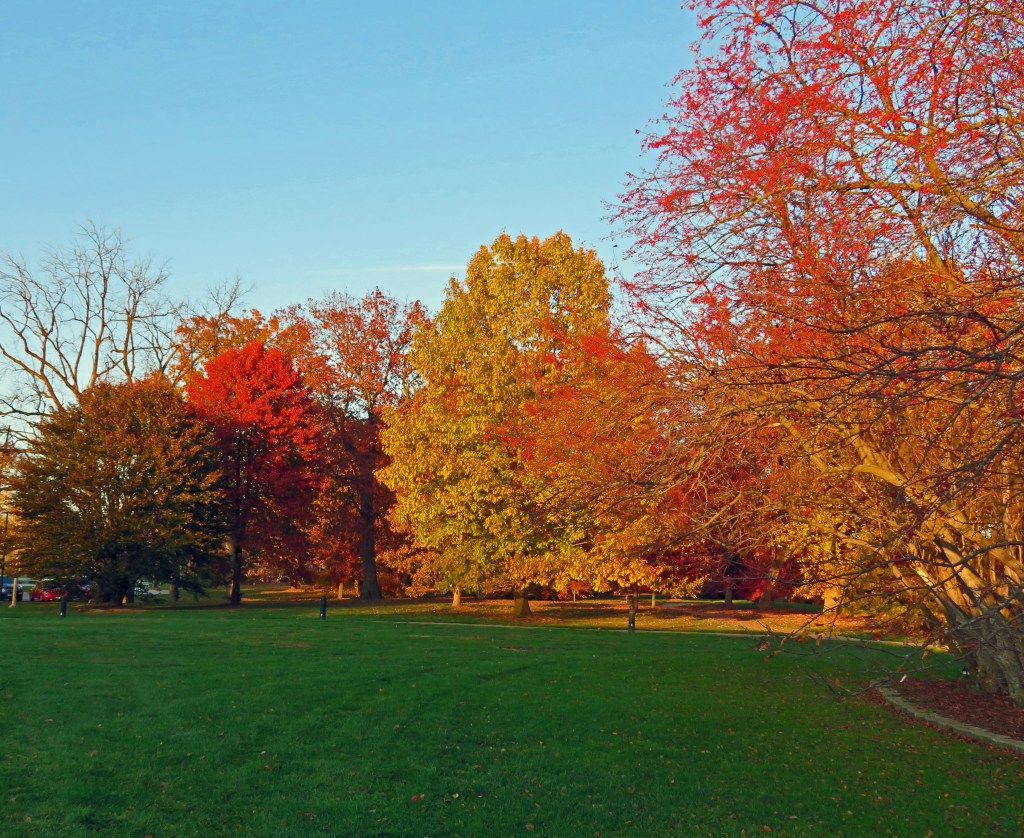
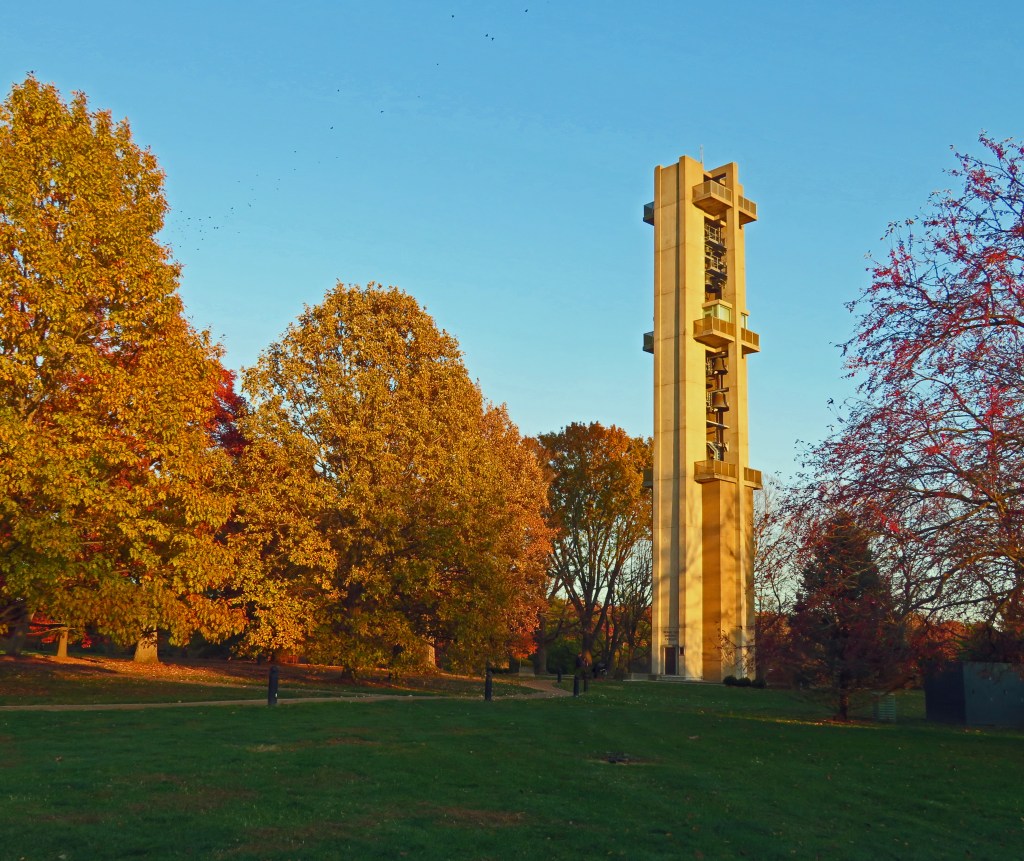
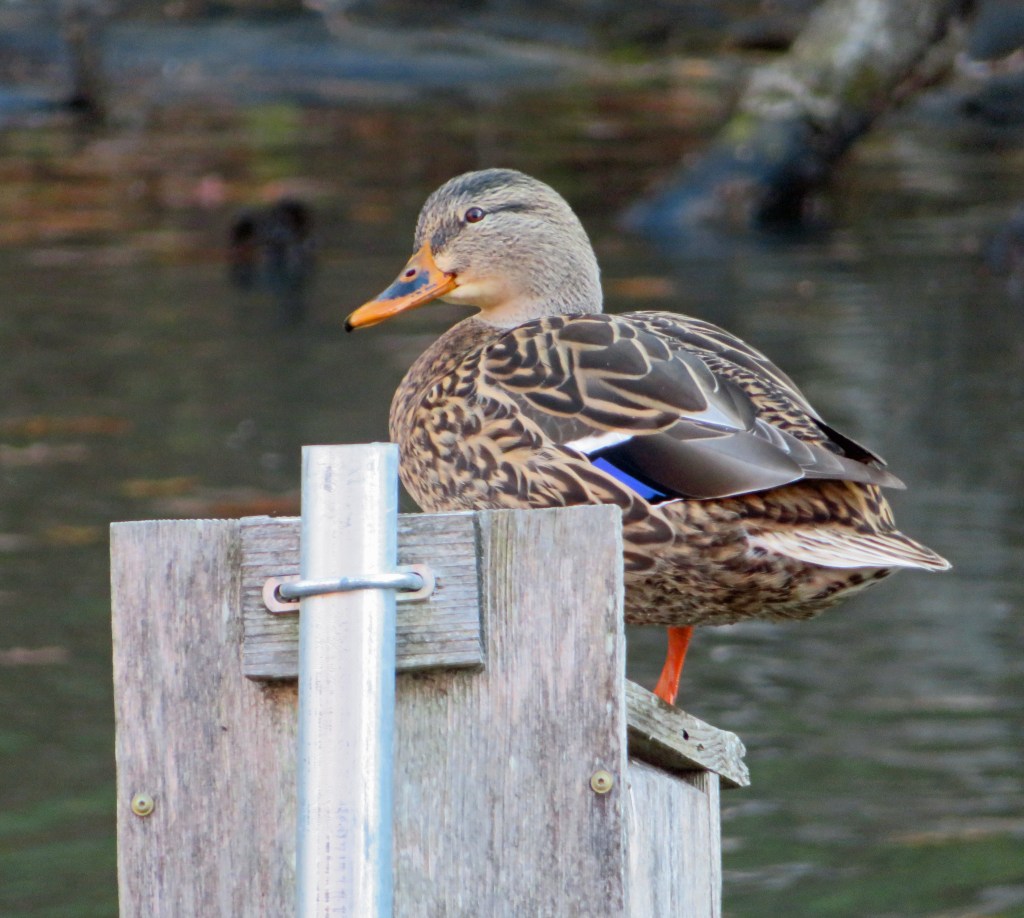
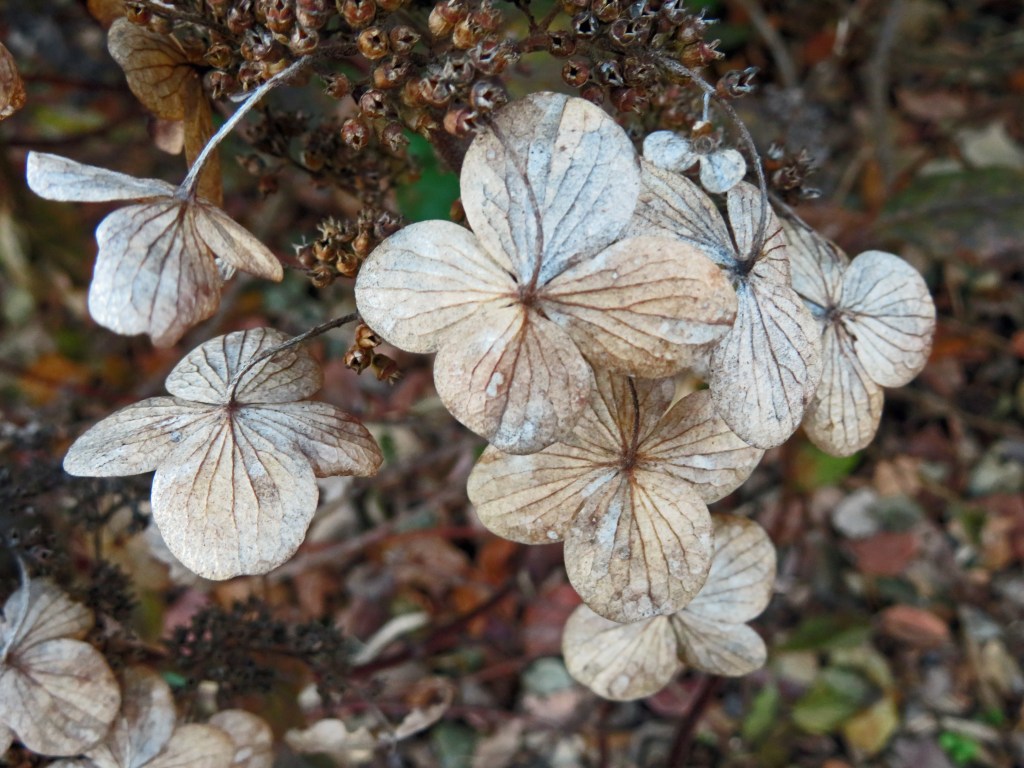
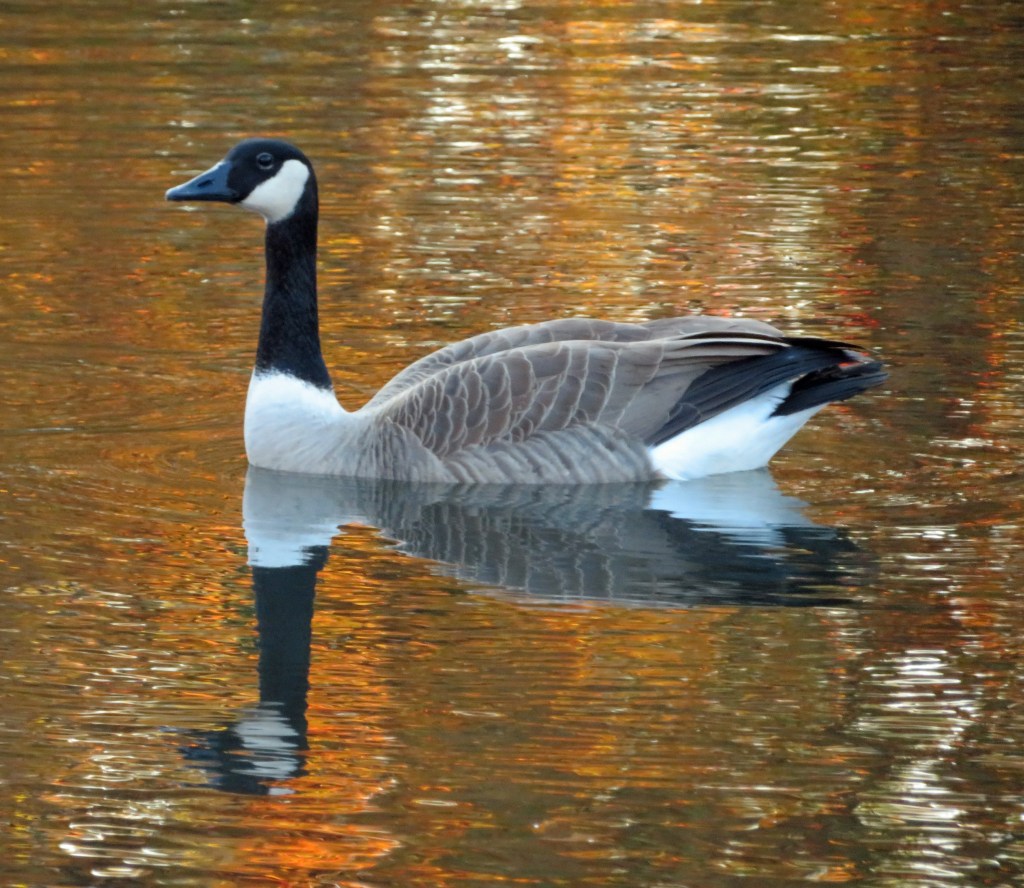
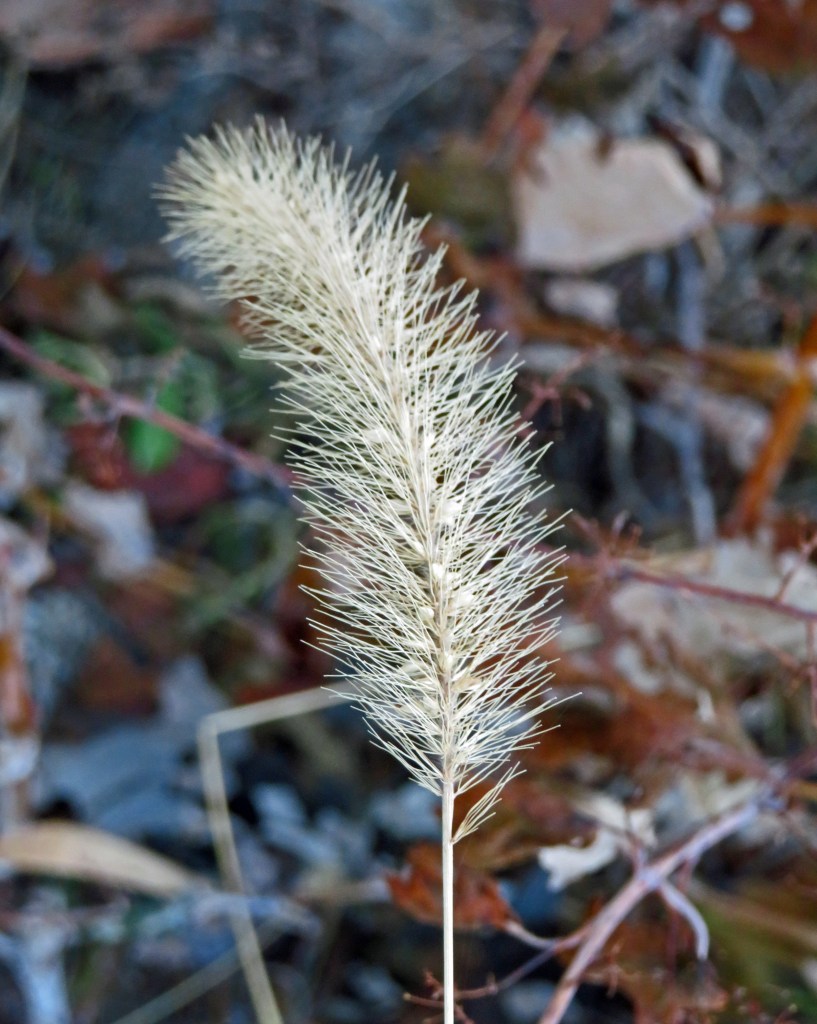
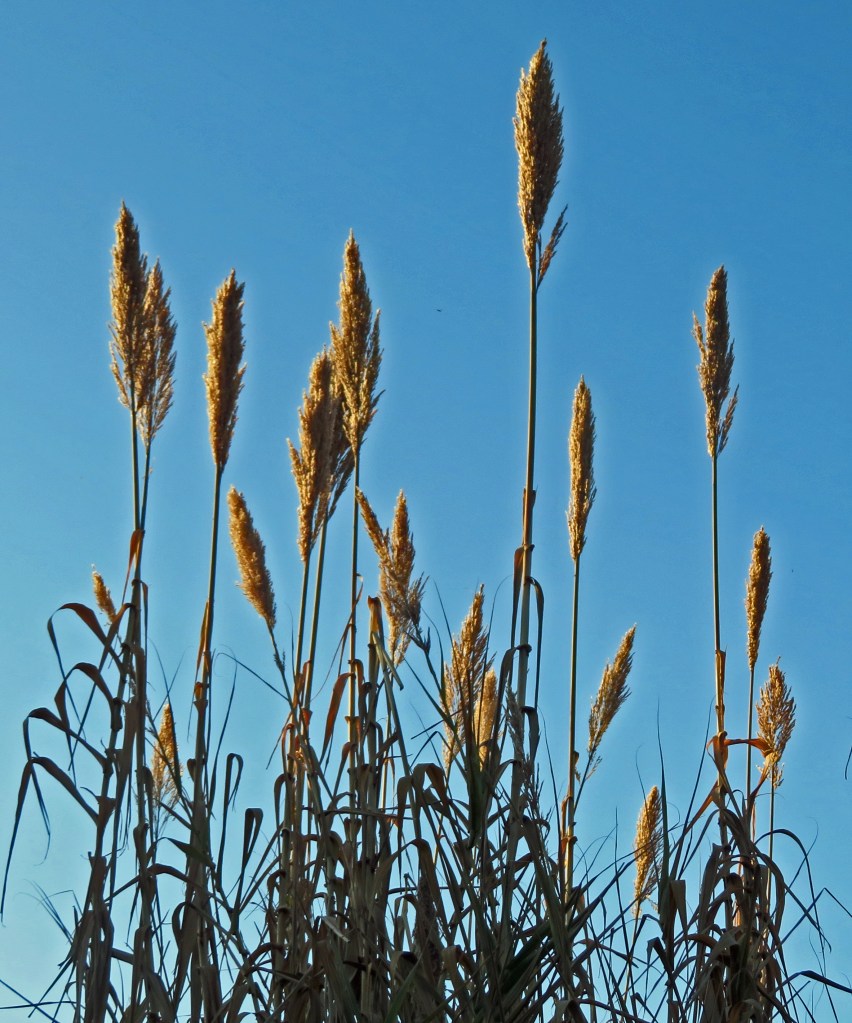
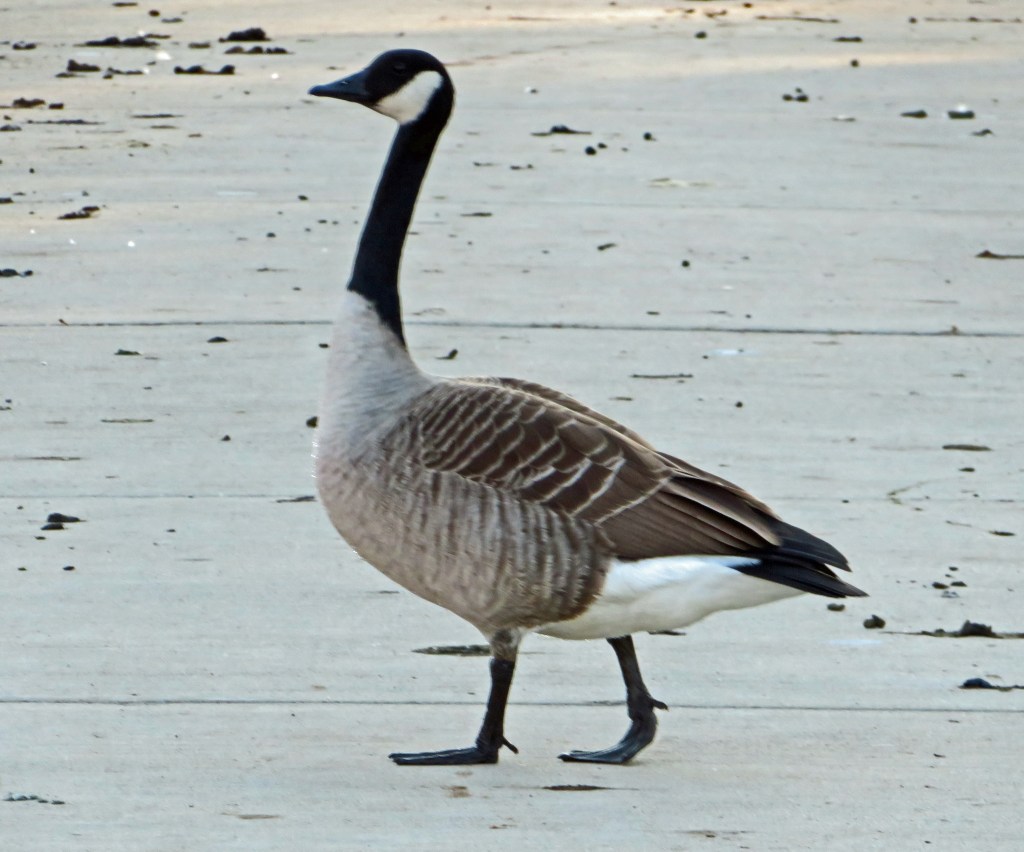
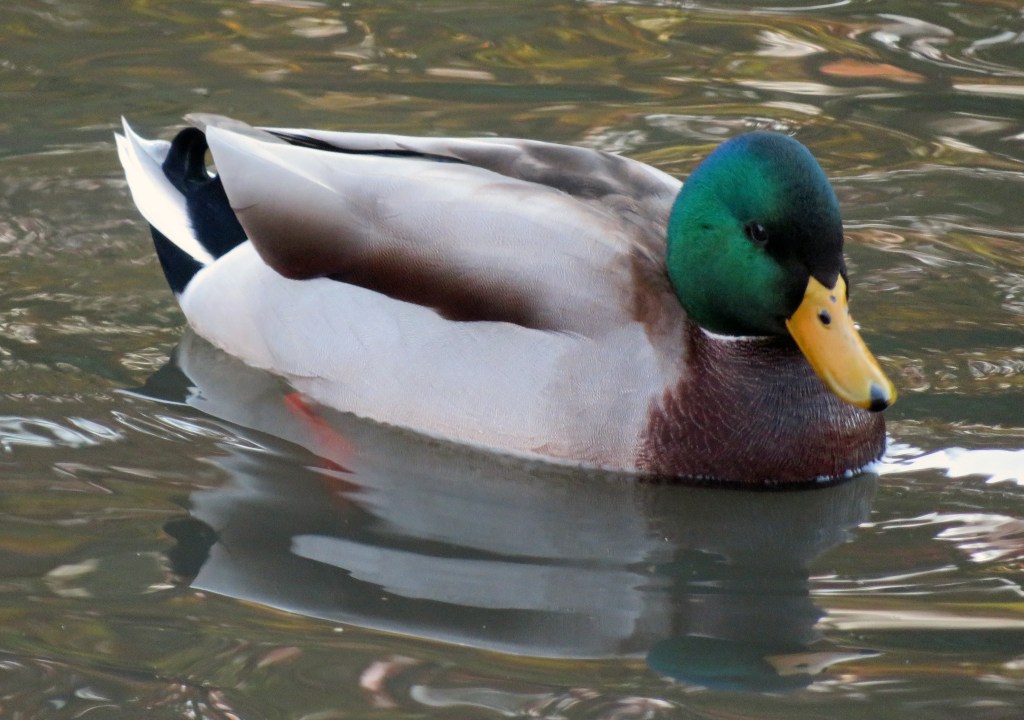
While a hard freeze wilted all the flowers about a week ago, the leaves have only gotten more vibrant and colorful. The prairie grasses and hydrangea blossoms remain pretty, even as they look more like the dried flowers one would put in a centerpiece. Here in central Illinois, many of the ducks and geese stick around for the winter.

Praise be to God for gorgeous November days!

God’s photo opportunities

In my last post, I wrote that I’ve come to consider photography as a form of prayer, because of the way it encourages appreciation for God’s creation. This idea was first suggested to me by Howard Zehr, author of The Little Book of Contemplative Photography.

Zehr offers several exercises in which he encourages us to put aside any specific goals we might have for a photo session and simply pay attention to what presents itself. I really like that approach. One thing my own photo sessions have taught me is to pay attention. To notice.

Most of my best photos over the years have not been the carefully choreographed panoramic views of tourist attractions taken on vacations or the posed “grip-and-grin” shots taken at family gatherings. Instead, unexpected photo opportunities presented themselves and beckoned me to pay attention or miss out. I like to think of them as “God’s photo opportunities.”

Below are a dozen of my favorite examples.

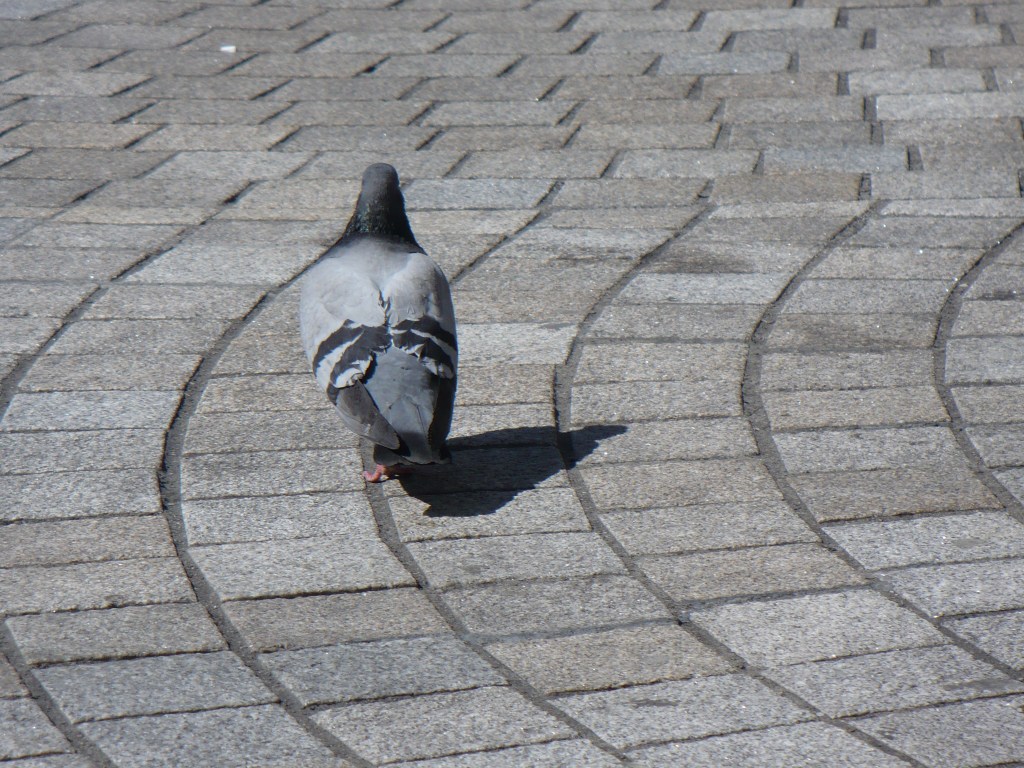
While on vacation in Ireland, Pete and I trained our cameras on stunning emerald-green scenery, entire fields of furze, notable landmarks and castles galore. I almost failed to notice the pigeons populating the sidewalks of Dublin. This one seemed to say, “Hey, look at me!”

Likewise, Jerusalem offered a gazillion holy sites for everyone to dutifully photograph for the folks back home. But how could one possibly ignore His Majesty, the Cat? People in that part of the world seemed to like their cats, by the way. As we toured the Holy Land, we spotted several cat colonies among the tourist attractions, and the feral kitties always appeared healthy and well-fed.

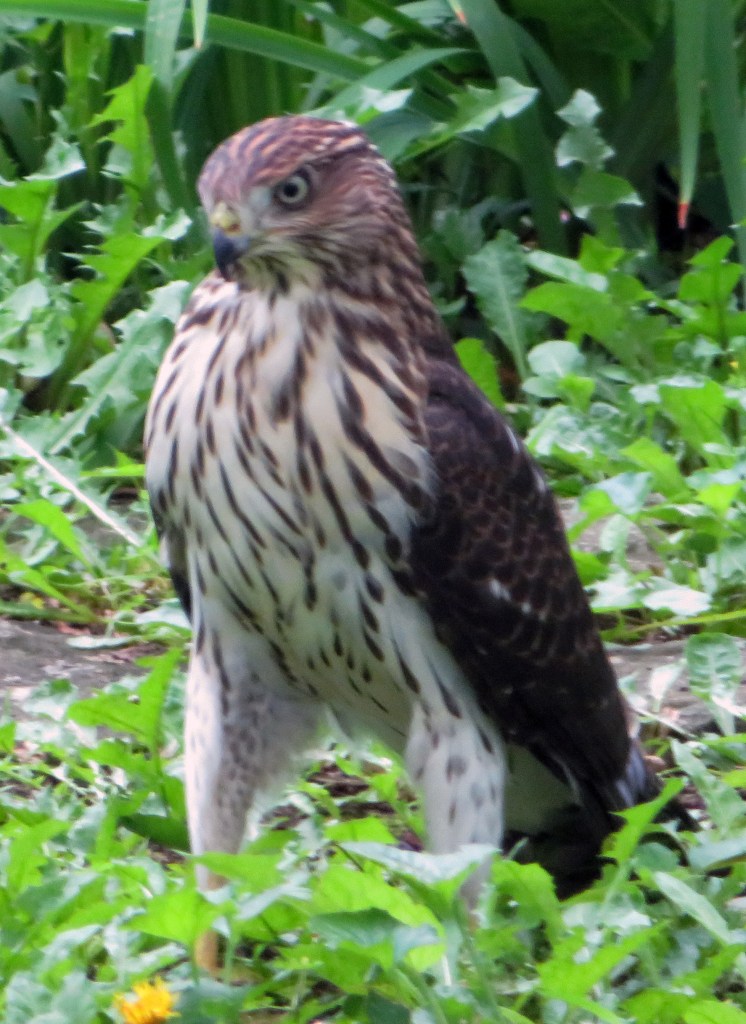
Of course, some of God’s best photo opportunities have landed right in our own backyard. Small mammals may not be so glad to see this guy, but Pete and I think our resident hawk is magnificent! Pete likes to joke that we’ve provided a nice backyard deli for him by attracting all the other critters. I don’t like to think about that part. I just notice – and admire – the hawk.

In a project I like to think of as “God’s work, our hands,” Pete and I have been growing milkweed in our backyard for several years in an effort to protect the dwindling monarch butterfly population. It took nearly two years for the monarchs to find our plants, and we were beginning to wonder if they would ever show up. Then finally one day, I was SO excited to notice this little guy.

This busy little bee was so absorbed sipping nectar from one of my milkweed plants, he didn’t even notice me – which gave my camera ample opportunity to notice him and zoom in before he flitted to the next flower. He looked so cute and fuzzy that part of me wanted to reach out and pet him gently with my finger like one would do with a furry caterpillar, but the much-wiser part of me was content to admire him from a distance with my camera lens while he did God’s work of feeding the world by keeping everything pollinated.

Is this dragonfly magnificent or not?? I spotted him while walking through an outdoor labyrinth at Jubilee Farm – a little piece of Eden established by our community’s Dominican Sisters as a center for ecology and spirituality. Fortunately the labyrinth’s design invited me to spend as much time looking down as looking around, and I had my camera with me to capture this little beauty.

I used to get so frustrated with the squirrels in our backyard because they wouldn’t stay out of the bird feeders, and I tried everything I could think of to thwart the furry little trespassers. Finally I decided to enjoy the squirrels instead of fighting them. After all, I’m pretty sure our bushy-tailed buddies never got the memo that all the enticing delicacies were for birds and not for them. So these days I entertain myself by taking full advantage whenever God presents them to me for a photo opportunity.

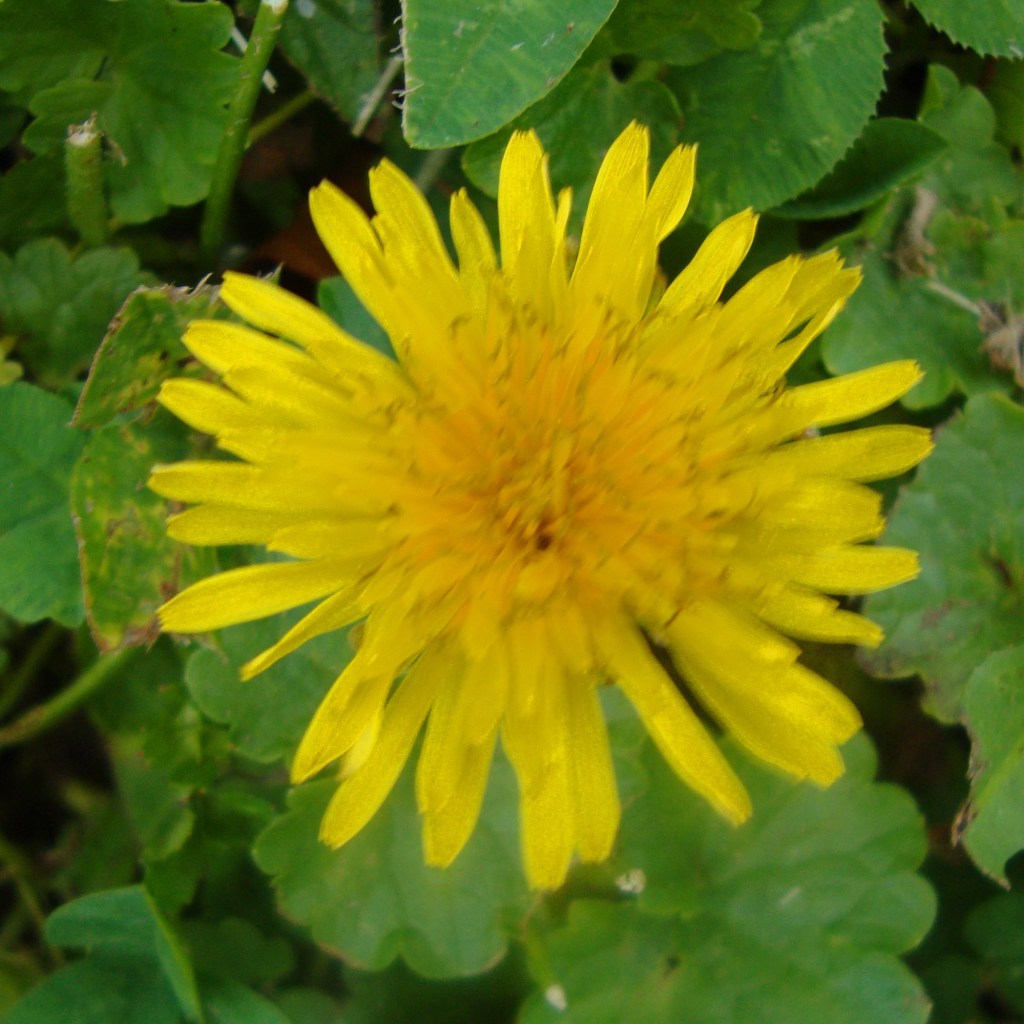
We’ve traded in our neatly manicured lawn for a wildflower meadow since we stopped using chemicals of any kind in our yard. (Don’t worry, we do mow the lawn. But we don’t try to keep out the “weeds.”) Now the grass is interspersed with violets, white clover, dandelions and assorted small wildflowers that provide both nectar and pollen for our pollinators. This cute chipmunk inserted himself into the middle of things while I was photographing the wildflowers, and seemed to like our new lawn as much as the bees and butterflies do.

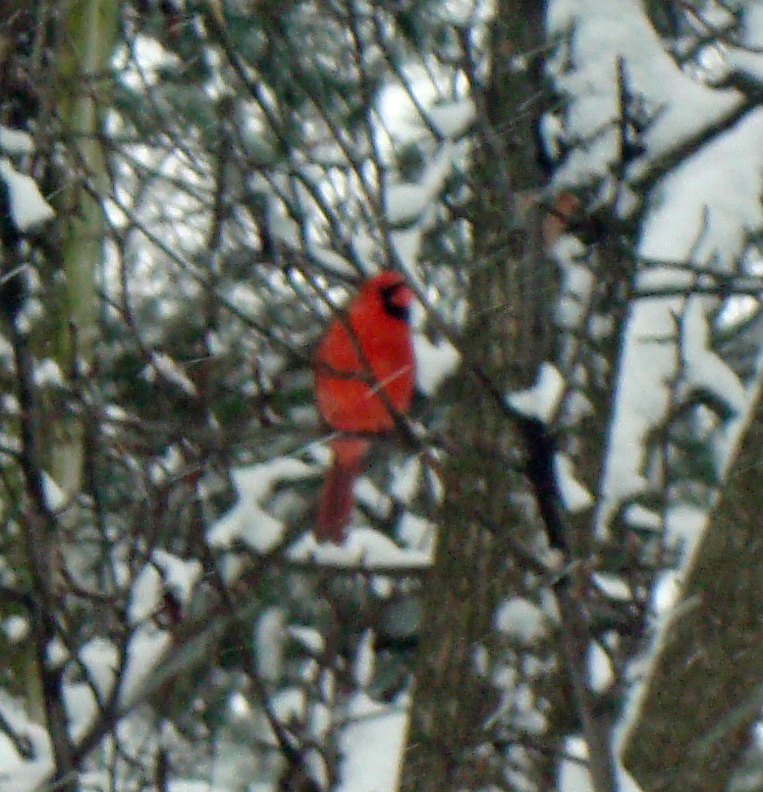
We all know how dark and depressing things can seem in the middle of winter. But one morning, in the midst of a bleak midwinter backyard scene, I spotted this brilliant flash of red.

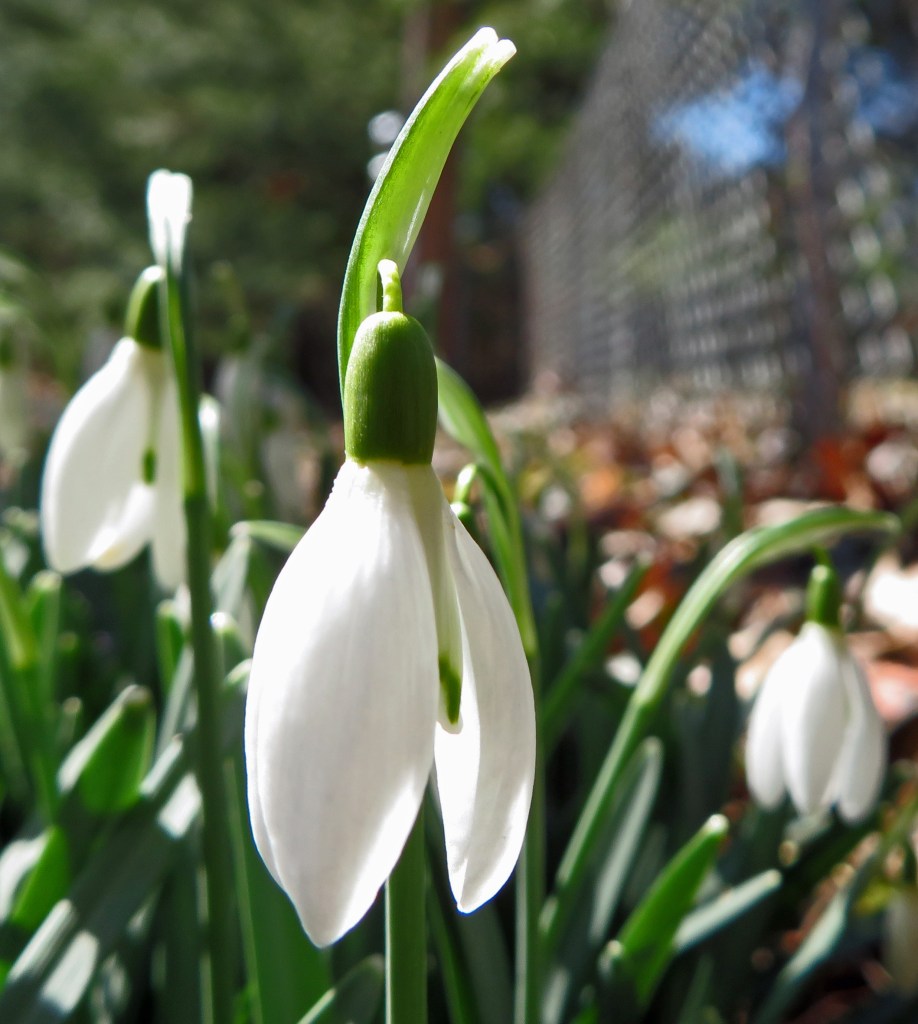
I just love snowdrops! As soon as I notice these popping up out of the ground, I know that a long hard winter is coming to an end and spring is on its way.

For years, a gorgeous Rose of Sharon bush sat on the front corner of our house. From midsummer until the first frost, this lovely little show-off greeted me with hundreds of blossoms each time I pulled into the driveway. Its abundant profusion of blooms seemed to shout, “Glory to God!” The bees and the hummingbirds loved it. Then, a couple of years ago, an unusually harsh winter killed it. I’m so glad I was inspired the previous fall to pause my busy schedule long enough to take these photos of the bush and of a single perfect Rose of Sharon blossom.

When it comes to paying attention, my little Champie Cat reminds me to do this constantly. His whole personality seems to call out, “Notice me! Notice me!” And my camera loves him almost as much as I do. But he doesn’t stay in one place for long, so I need to be quick. He loves to turn pillows into cat beds and this is one of my all-time favorite photos – I like to call it “the Prince and the Pea.”

One thing I’ve learned about God’s photo opportunities is that – unlike tourist attractions or neatly lined-up groups of people – none of them are “posed.” They just appear, often when least expected – photobombing a scenic view of Jerusalem or swooping into my backyard or howling at me from the bedroom to get my attention. To capture them, I must pull myself away from my screens and my busy schedule long enough to notice. Or risk missing out.

Photography as prayer

Note: I’m taking a short break from writing in July to focus on some pressing personal priorities, so for this month, I’m reposting some of my favorite blog pieces from earlier days when I only had a few people following my blog. This was first posted in September 2020.

Can photography be a form of prayer? Howard Zehr, author of The Little Book of Contemplative Photography, thinks so. 

Photography can serve as a medium for reflection and meditation, and encourages mindfulness, he says. “By slowing down to reflect and meditate, by heightening our visual awareness and our imaginations, by cultivating receptivity and a more holistic way of knowing, we can renew ourselves while gaining new insights into ourselves, the creation, and the Creator.”

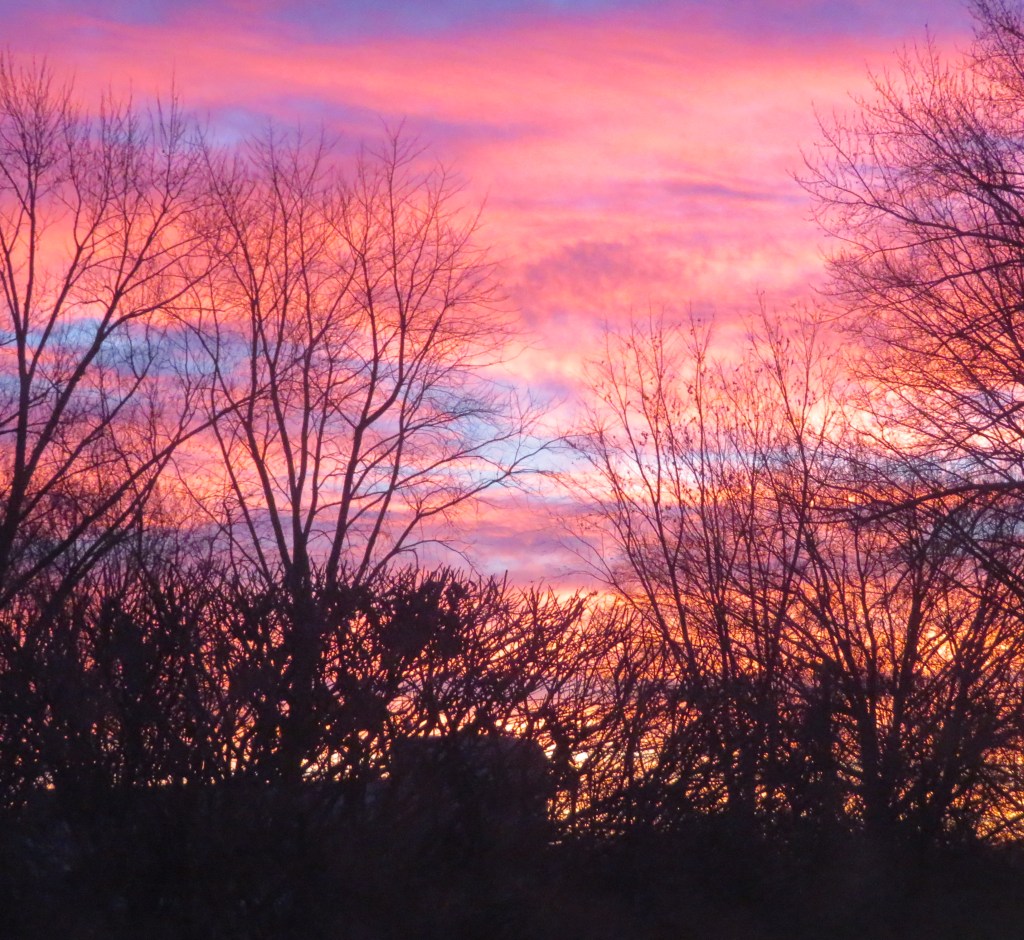
Some photographic subjects present themselves in an obvious way. An amazing sunrise practically screams, “Quick! Grab your camera.”

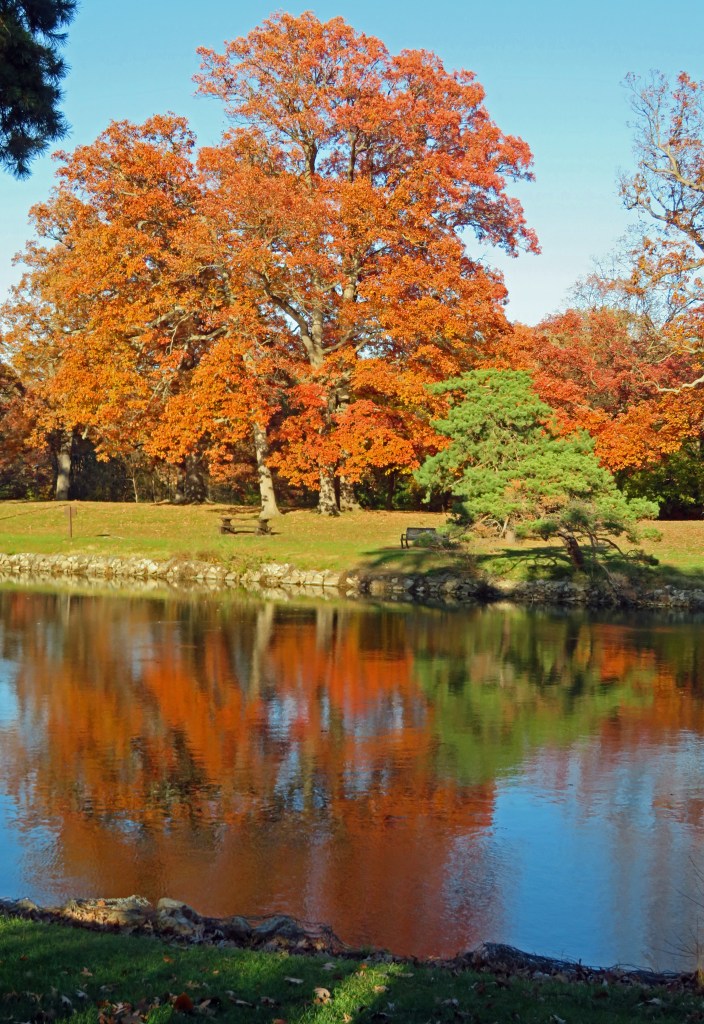
As do the brilliant fall colors in this park scene.

However, mindfulness is also about “being aware of and appreciating the ordinary, of being open to beauty and insights in the commonplace,” Zehr says. 

For example, who knew that chives going to seed could be so pretty?

“We often overlook things that we experience as ordinary or everyday,” Zehr says. “We tend to make preconceived judgments about what is worth looking at or photographing, valuing the ‘picturesque’ or ‘spectacular’ and failing to recognize many of the visual possibilities around us.”

How about a coneflower blossom?

Throughout his little book, Zehr gives us exercises designed to increase our awareness of the visual richness of ordinary objects and scenes. One exercise: Set out to photograph without a specific subject in mind, remaining open to whatever seems to present itself. 

Like a leaf that has floated to the ground.

A pair of acorns.

Or a single perfect rose.

“To me, photography is an art of observation. It’s about finding something interesting in an ordinary place,” Zehr says. “I’ve found it has little to do with the things you see and everything to do with the way you see them.”

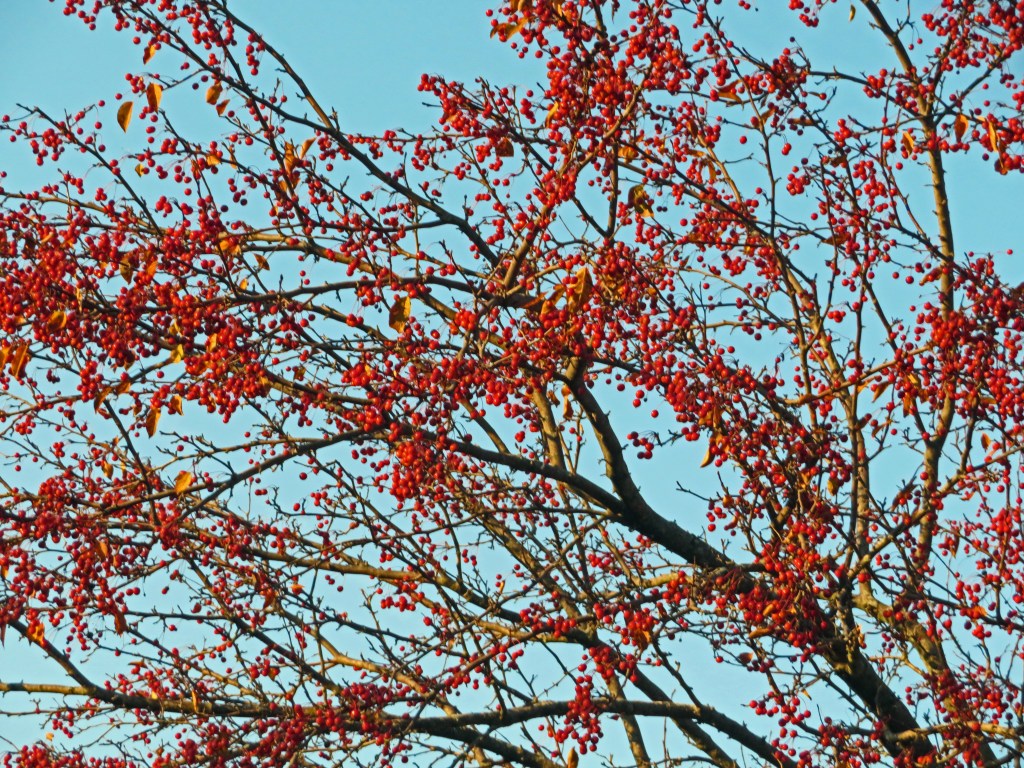
Like bright red berries against a deep blue sky.

Or a starkly bare tree with a cloudy sky shortly before sunset serving as a backdrop.

“Ordinary things, when really seen, make extraordinary photos,” Zehr says. “Such photos seem to make themselves. They seem like presents that were given.”

I snapped this photo of icicles dripping from a twig on a bush next to my porch.

These fall leaves still flashed their brilliant colors as they peeked out from under a very early snowfall.

“One must always take photographs with the greatest respect for the subject and for oneself,” Zehr says.

Of course, one can’t help but respect this goose walking straight toward me in the park, who just begged to be noticed … and photographed.

“A contemplative approach to photography is an expression of wonder grounded in respect and humility,” he says. “As such, it calls us to live in right relationship with our Creator, the creation, and our fellow human beings.”

An attitude of wonder “requires that we look anew at the familiar, that we stop taking the world around us for granted,” he adds. “An attitude of wonder is essential if we are truly to experience the creation and the Creator.”

God’s other book: Backyard bouquet

How sweet! This week, when I brought my husband home from a grueling 9-day hospital stay, God greeted us with flowers. In fact, God seemed to have turned our entire yard into one giant bouquet.

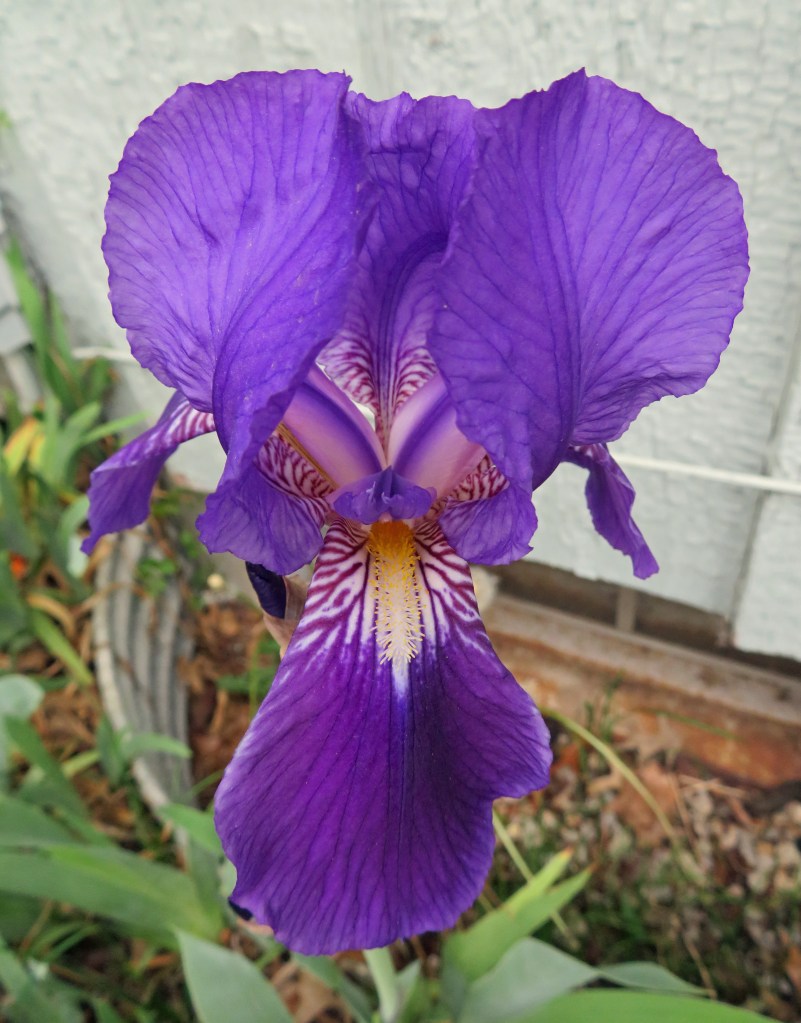
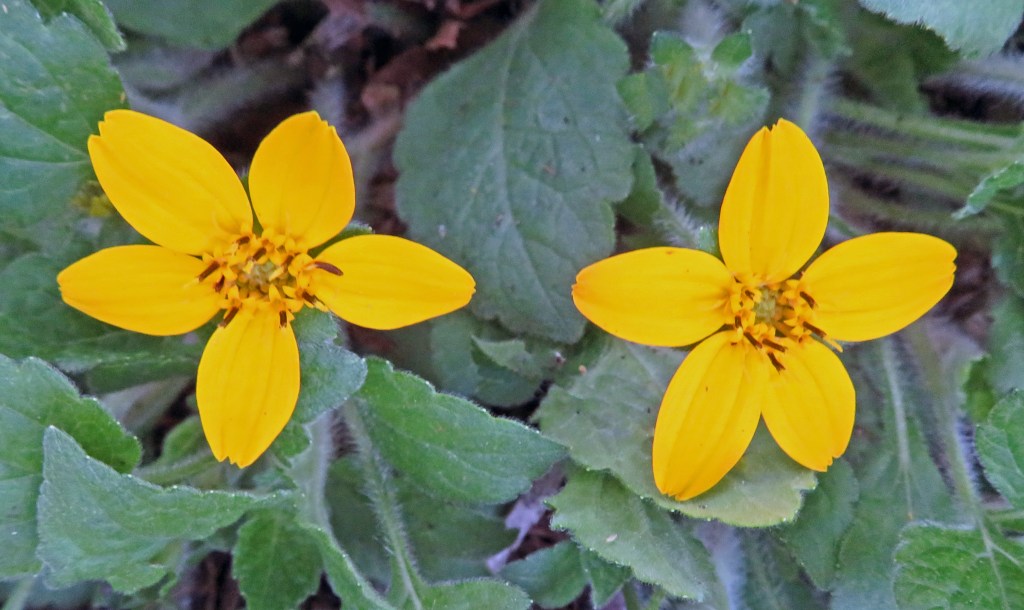
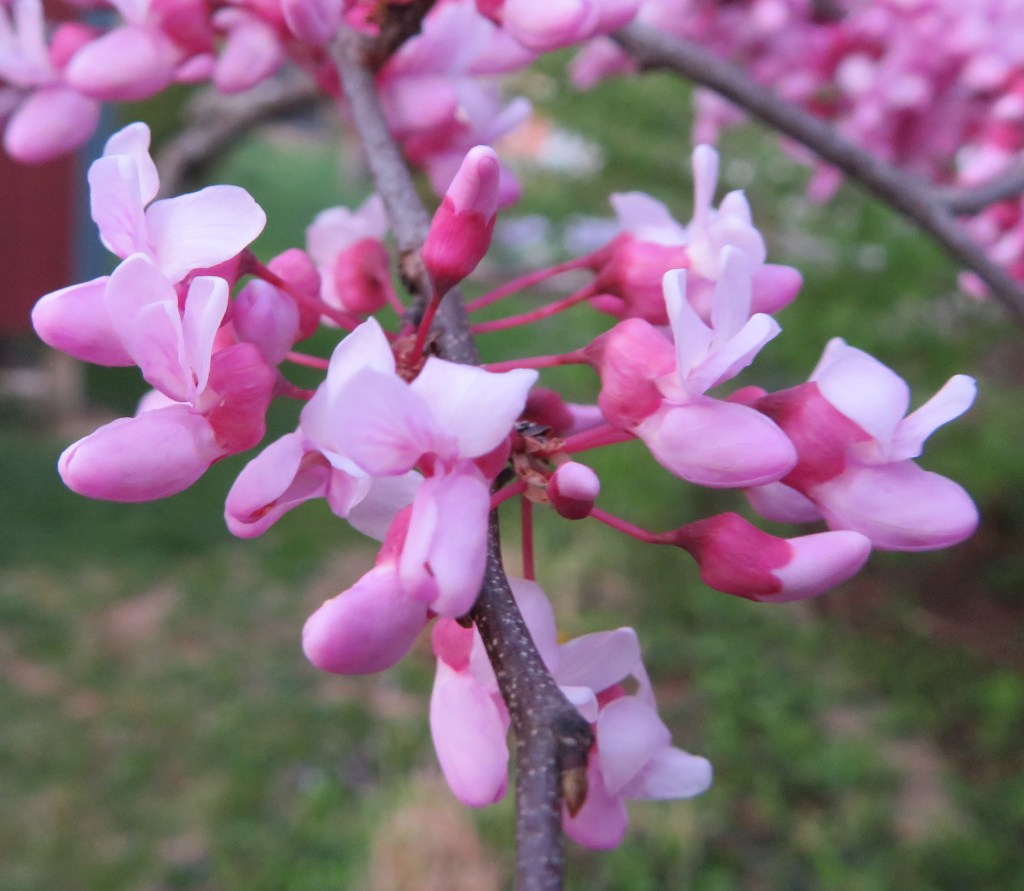
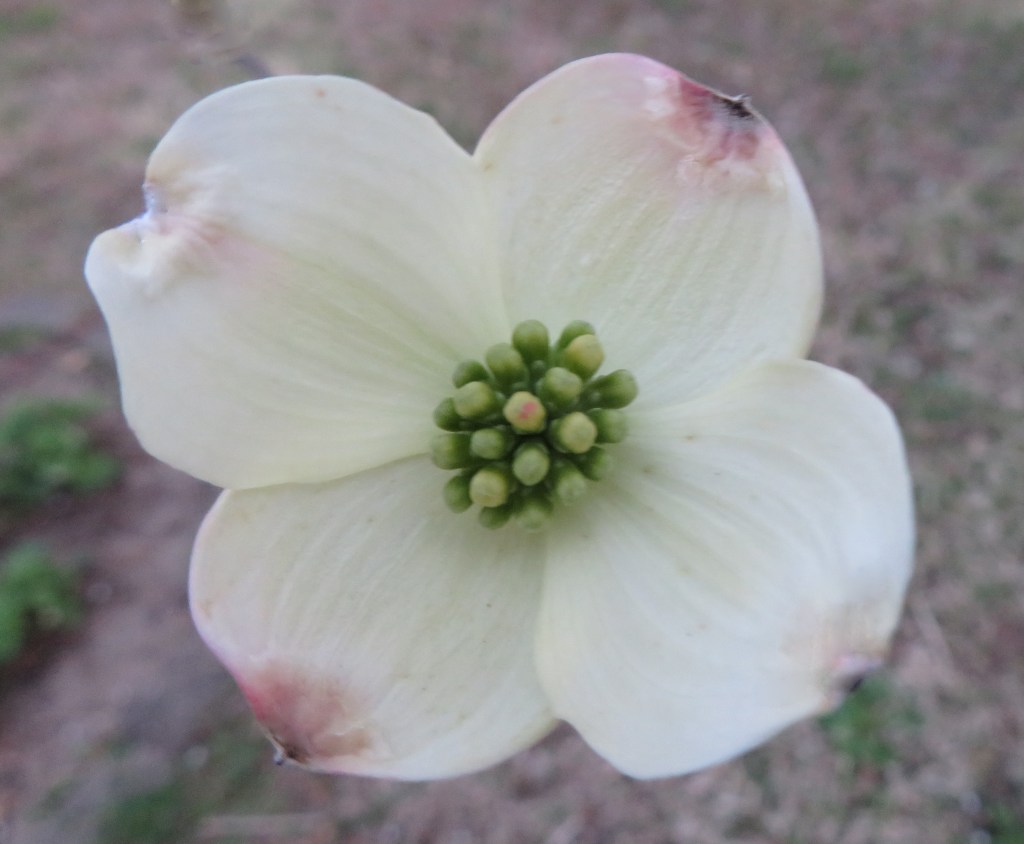
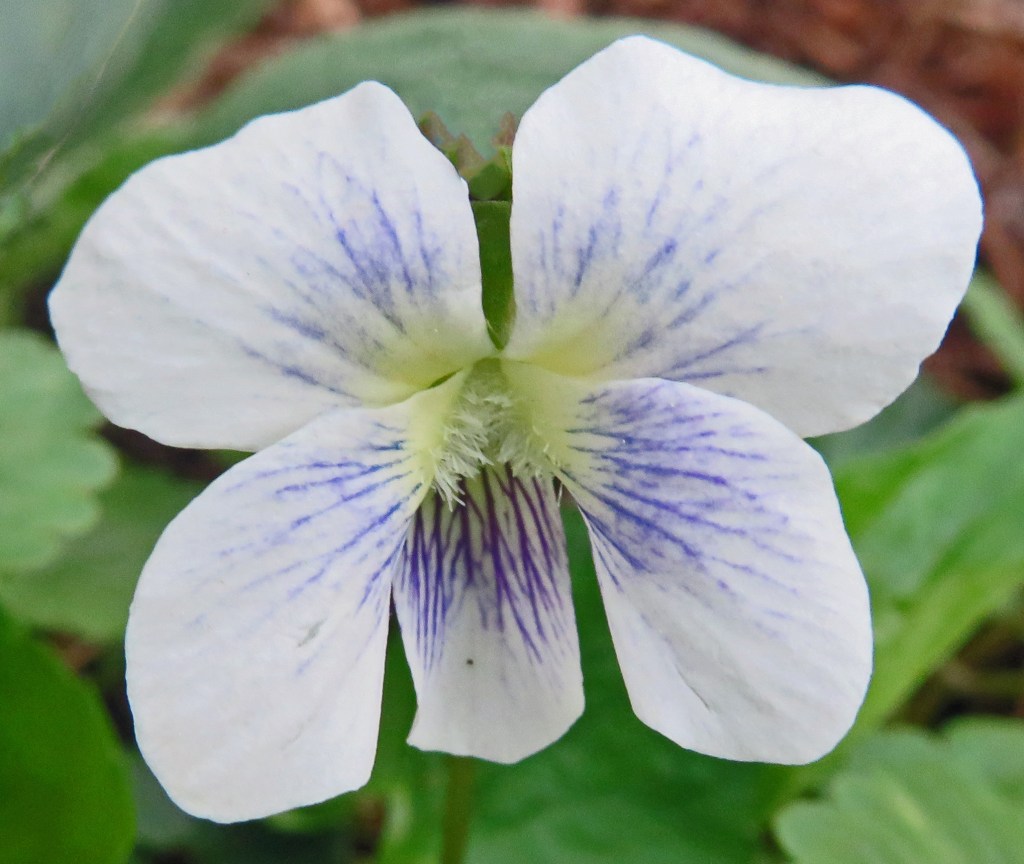
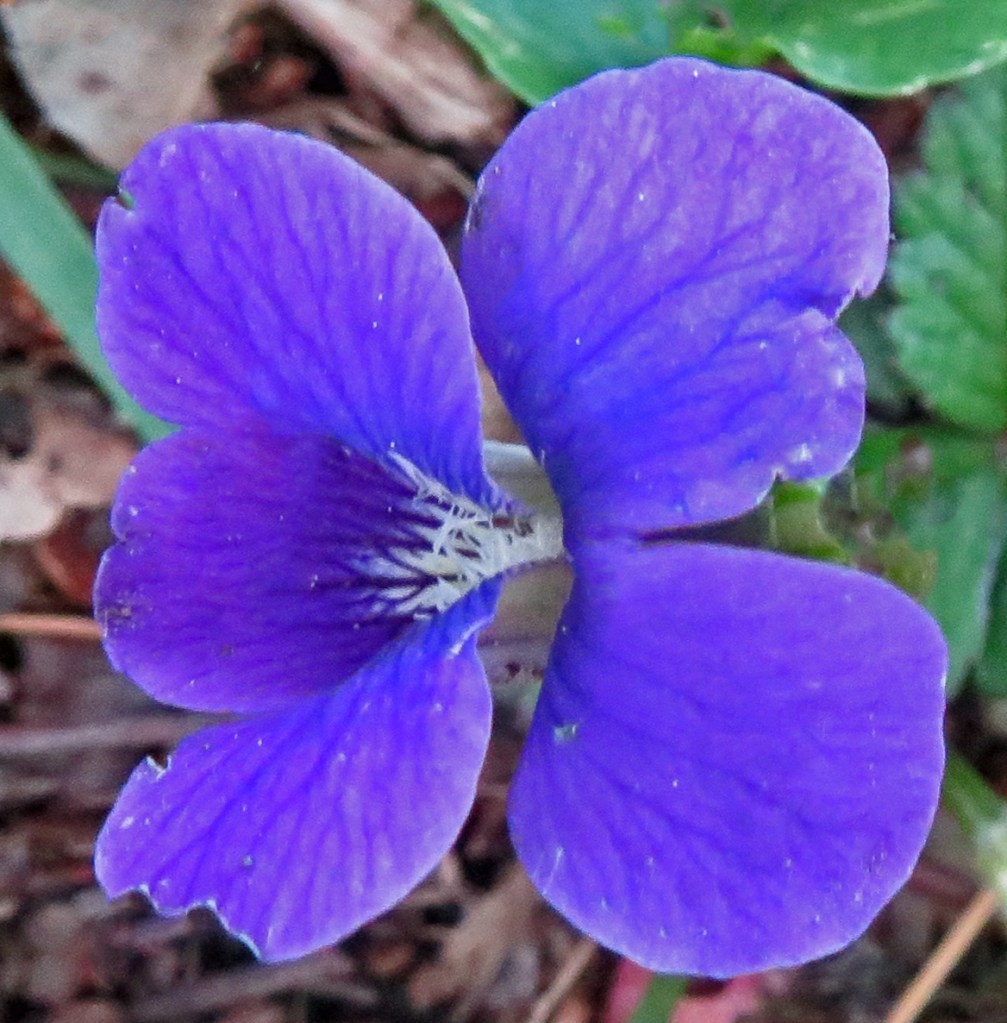
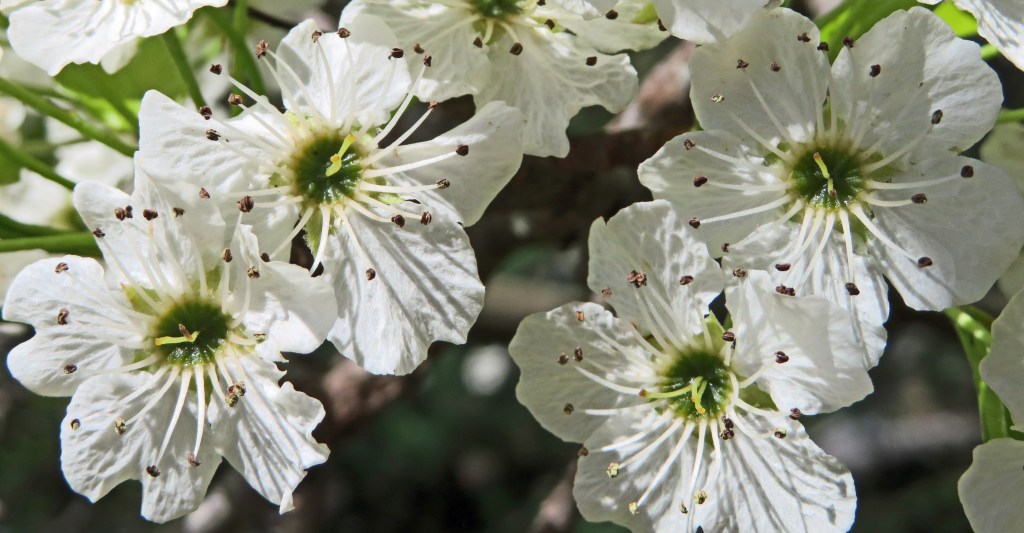
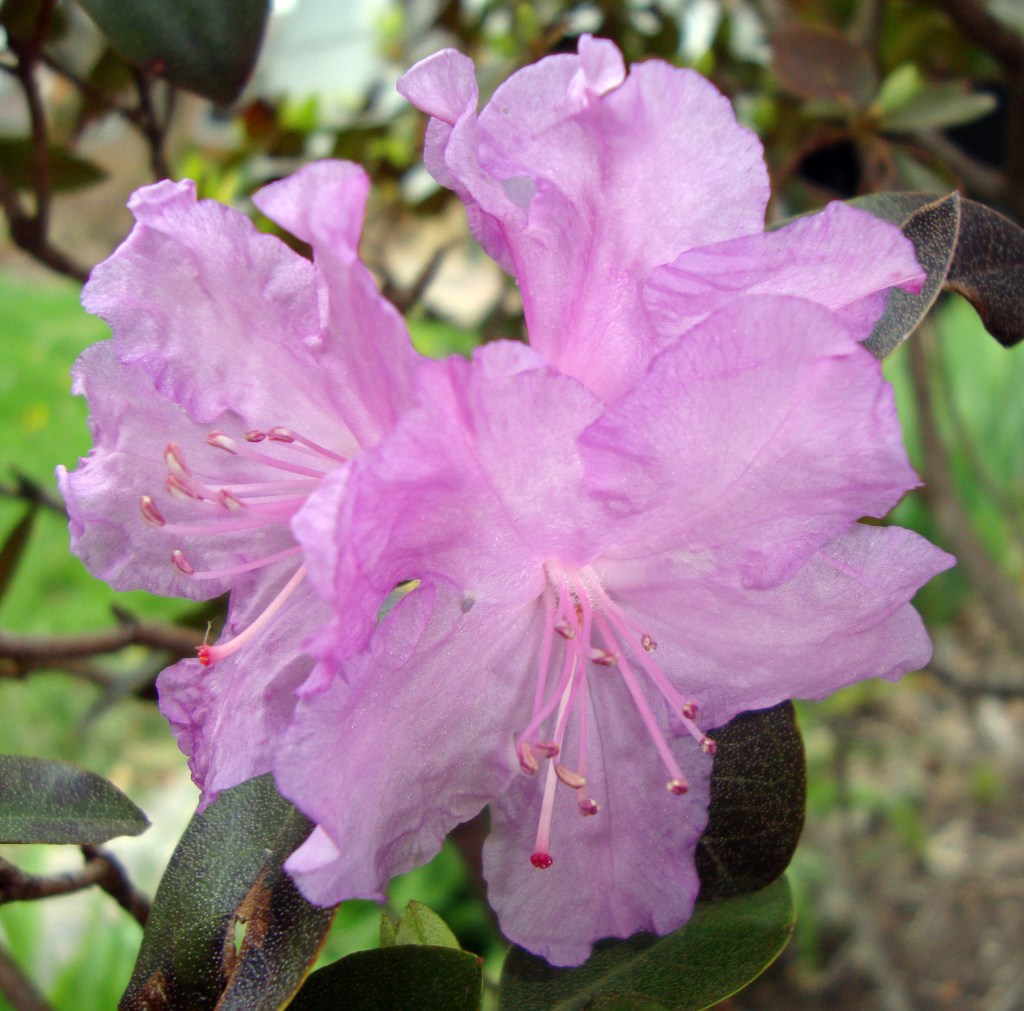
As Pete begins a lengthy recovery process, we’ve been able to feast our eyes on (from top to bottom) crabapple blossoms, irises, golden stars, redbud blossoms, lungwort, pink and white dogwood blossoms, mystery flowers (LOL!), tulips, violets, azaleas and … the ever-present dandelions.

What’s even more lovely: The flowers are all perennials, so I didn’t have to do a bit of work to enjoy this lavish display of eye candy.

God’s other book: Summer flowers

For several summer seasons, one of my favorite meditation activities has been walking through my backyard and gazing upon God’s handiwork.

This year we had extensive landscaping work done in the spring. I planted lots of native perennials, as well as an abundance of annuals. I’ve found gardening to be therapeutic, and the yard is looking beautiful! 

So, as the summer draws to a close, I thought I’d share some photos.

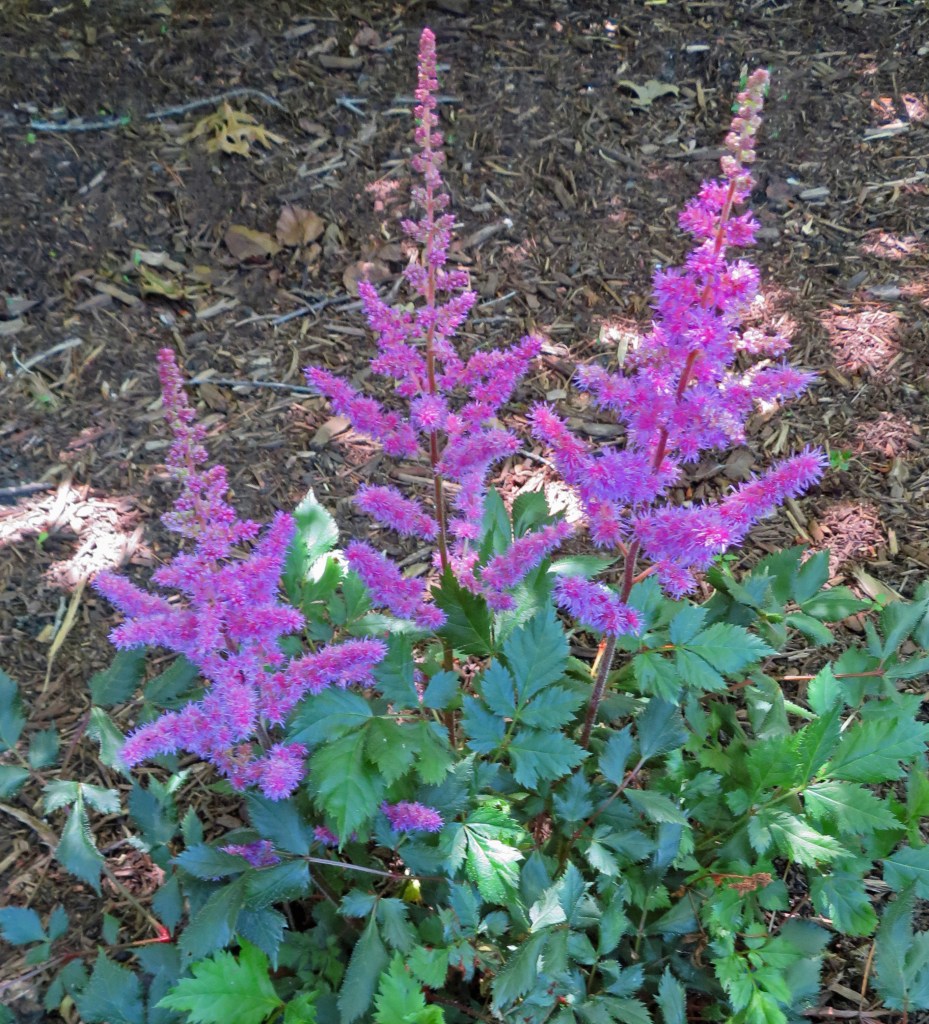
What I love about astilbe is its outrageous showiness. Those plumes! I like to think of them as God showing off…

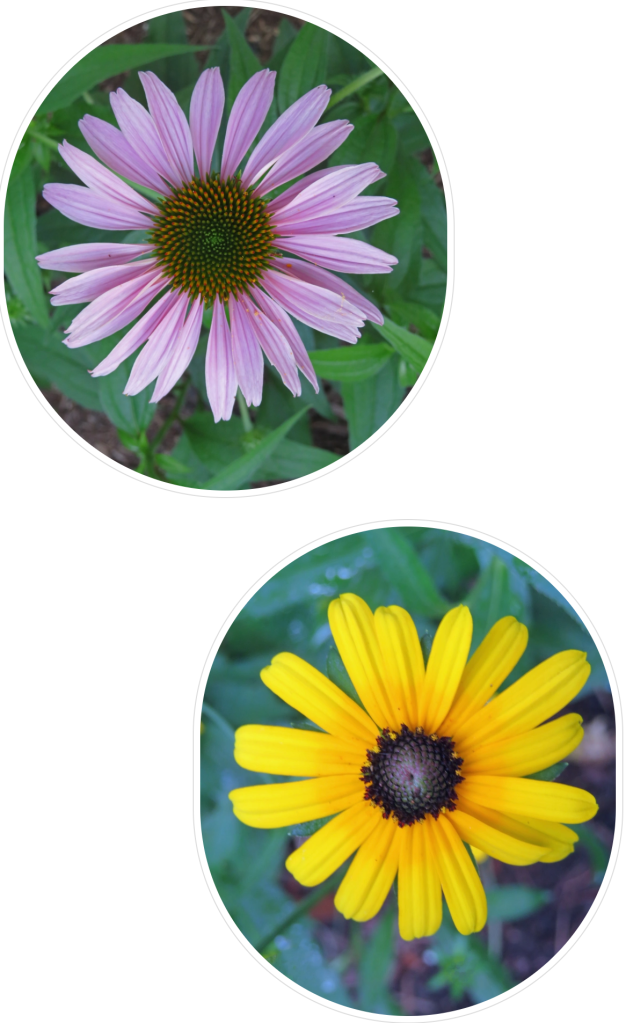
I’ve been slowly but surely adding native plants to my beds. Not only do they attract pollinators, but once they get established, they require next to no watering or other care, since they’re suited to our local climate. Among my favorites are purple coneflowers and black-eyed susans.

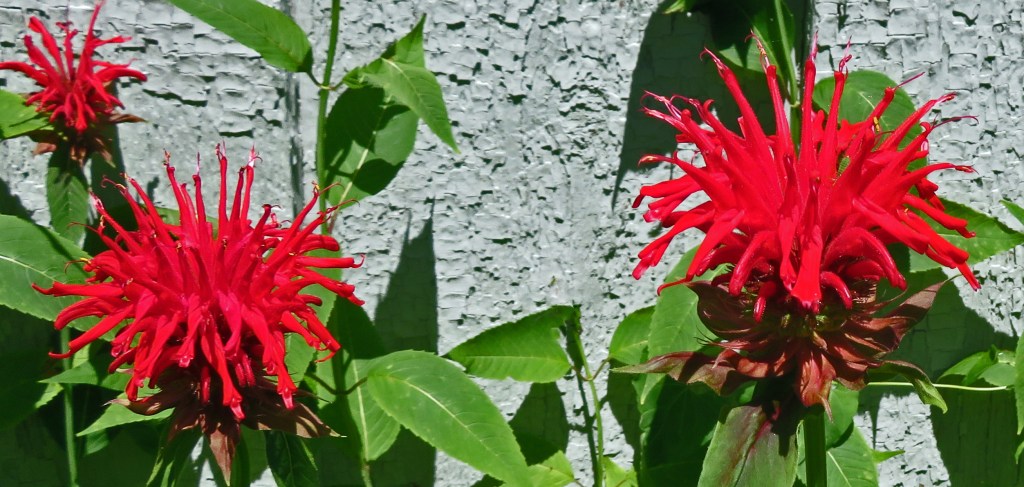
Besides being wonderfully showy, the bee balm that grows along the south side of our house attracts hummingbirds. I just love those tiny creatures! I still haven’t gotten my camera to focus fast enough to catch one flitting from blossom to blossom, but I’m working on it.

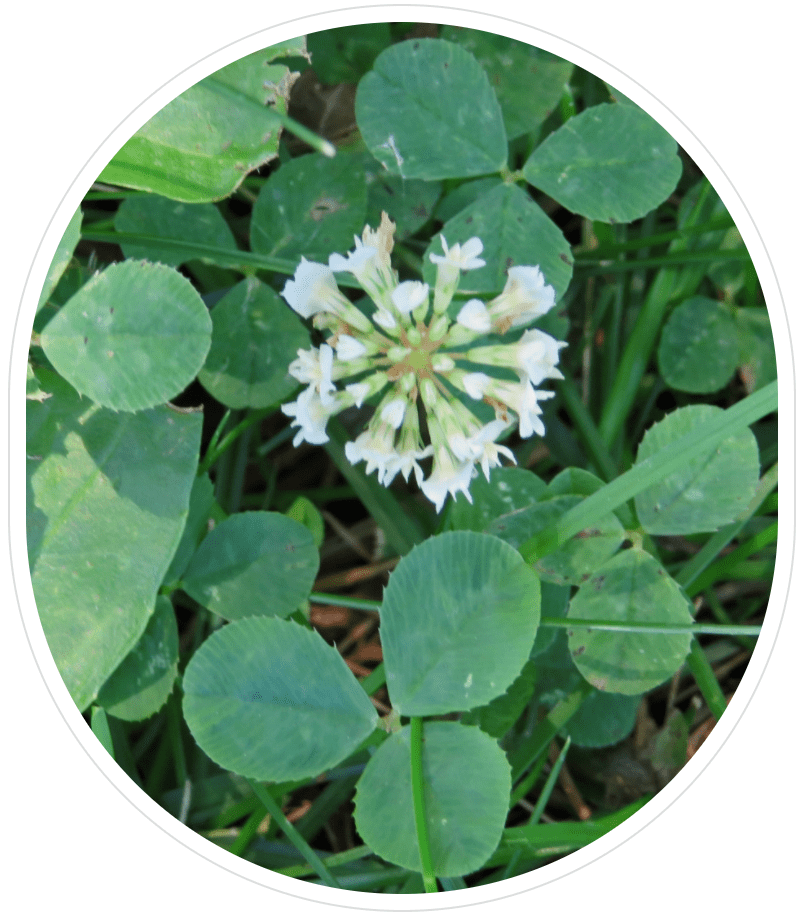
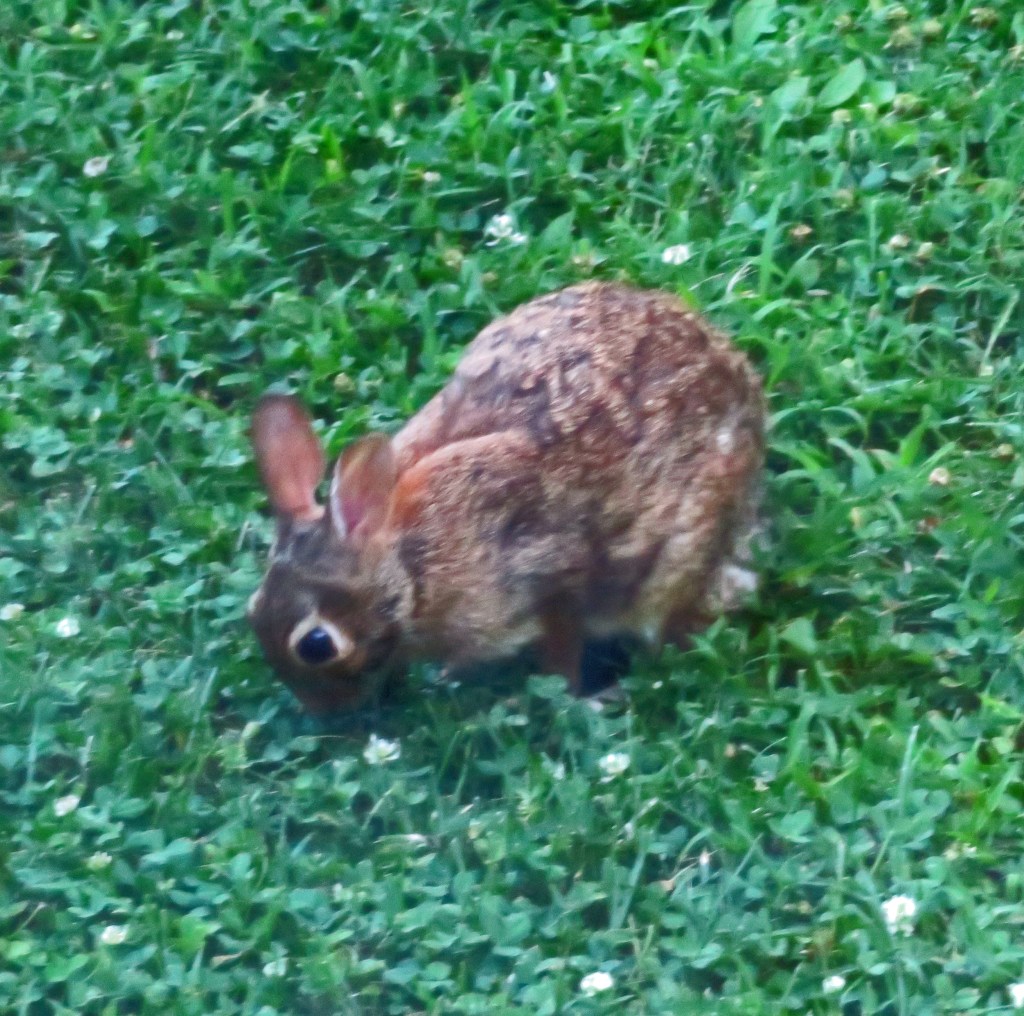
Our resident rabbits love the white clover that covers our lawn. And they don’t have to worry about ingesting chemicals along with the yummy clover flowers. Our lawn has been chemical-free for as long as we’ve lived here.

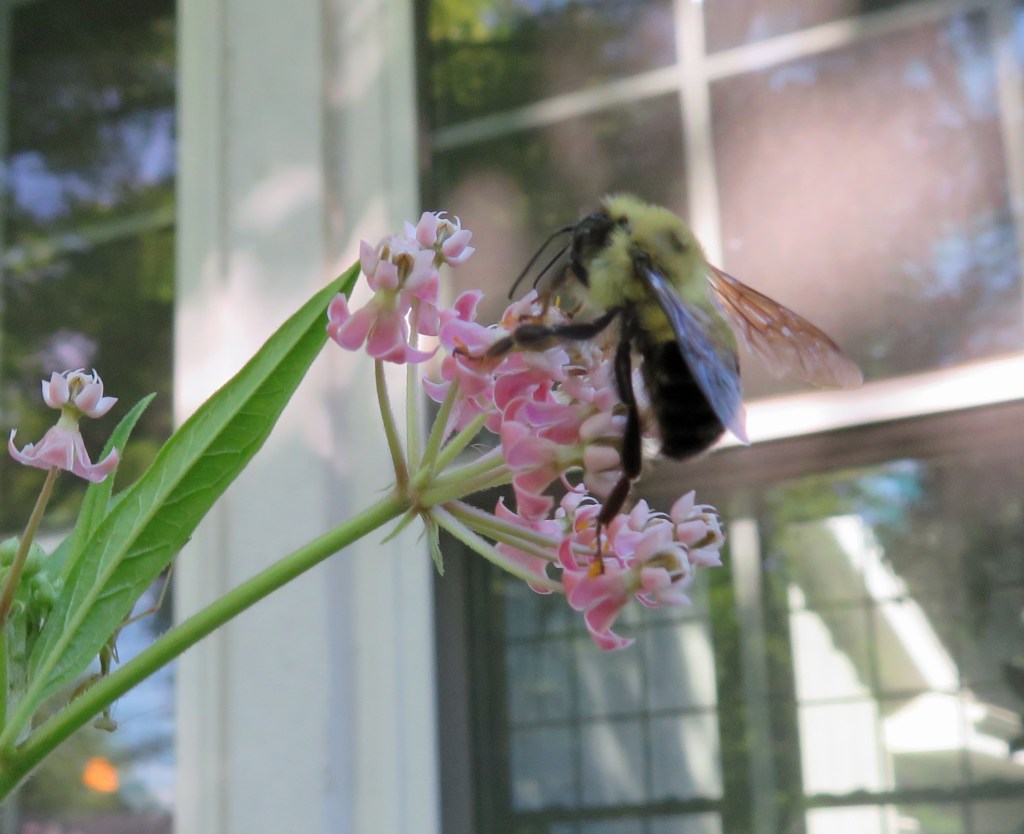
Some welcome visitors have been gorging on our milkweed. I planted lots of it this year, so there’s enough to feed some very hungry caterpillars, along with the bees and butterflies. Since both the monarch and bee populations are dwindling, I’ve encouraged everyone I know to let this “weed” grow in their yards.

While not considered native flowers, my day lilies are so easy to grow and come in so many pretty colors that I now have lots and LOTS of them scattered around both my back and front yards. The good news is, they aren’t invasive, so it’s safe for me to plant them anywhere.

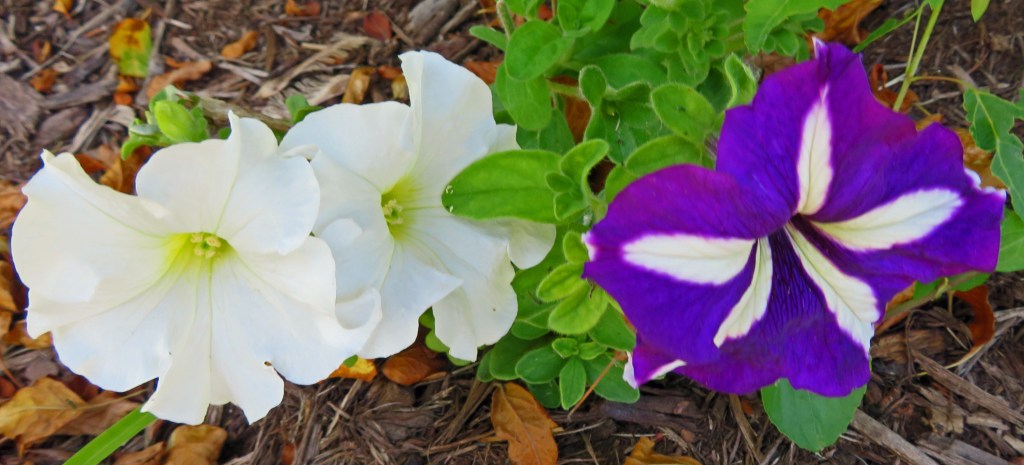
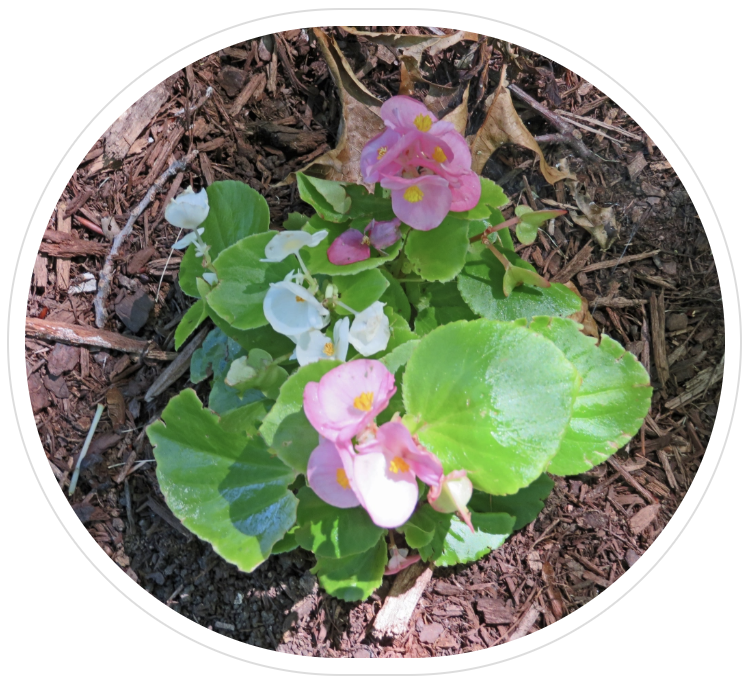
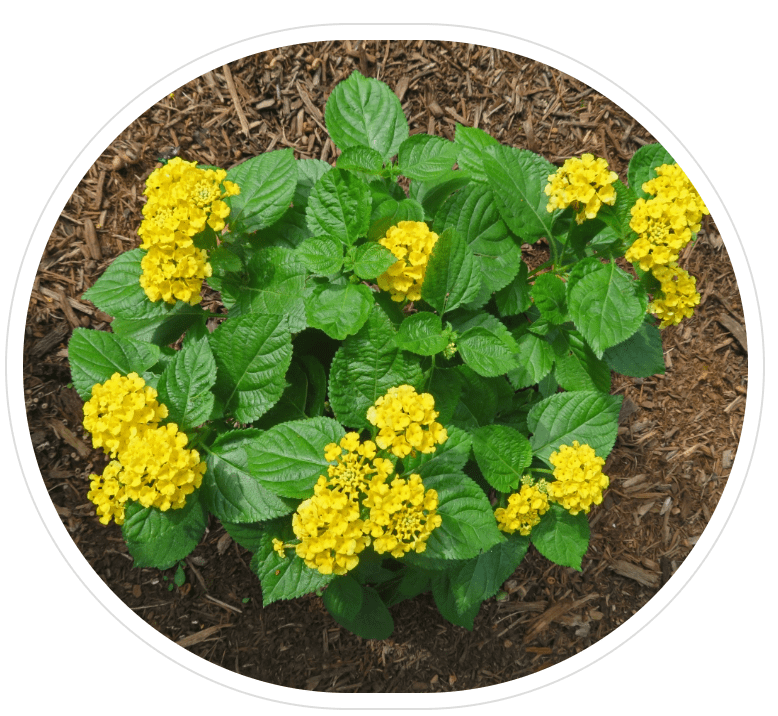
I like to scatter a few annuals throughout my flower beds, so that something is always blooming from mid-spring until frost. Petunias, begonias and lantana are among my favorites.

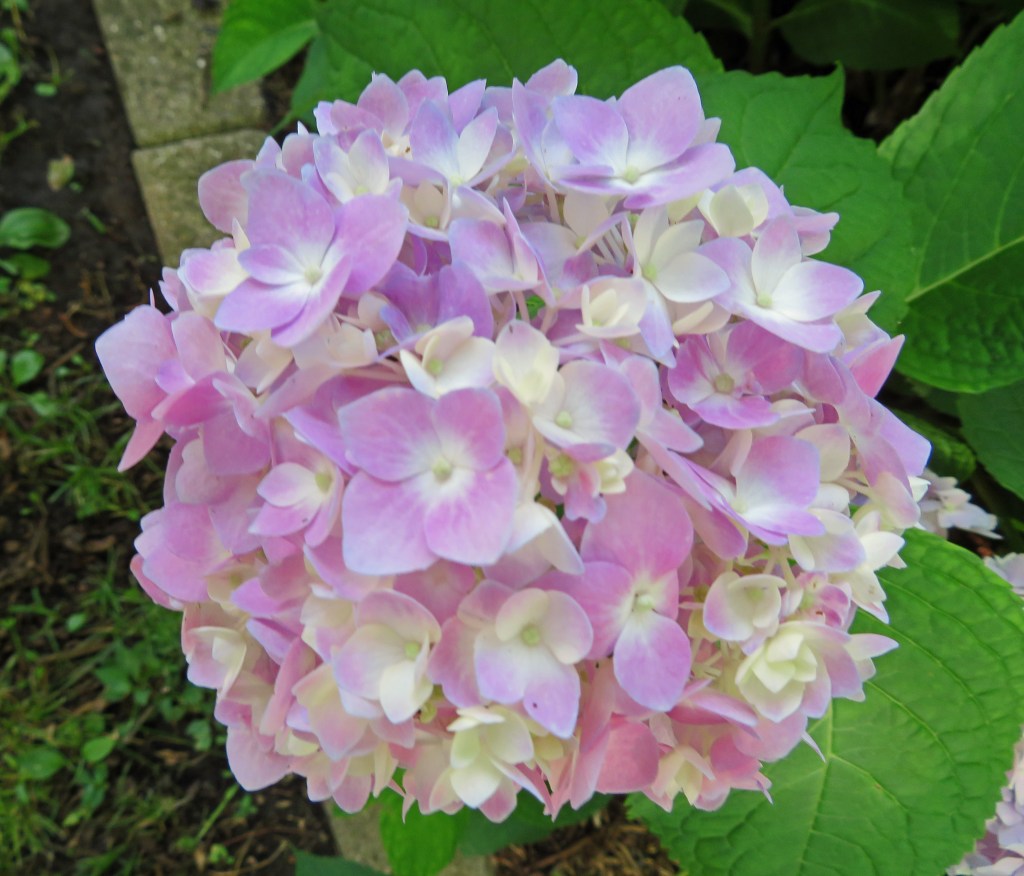
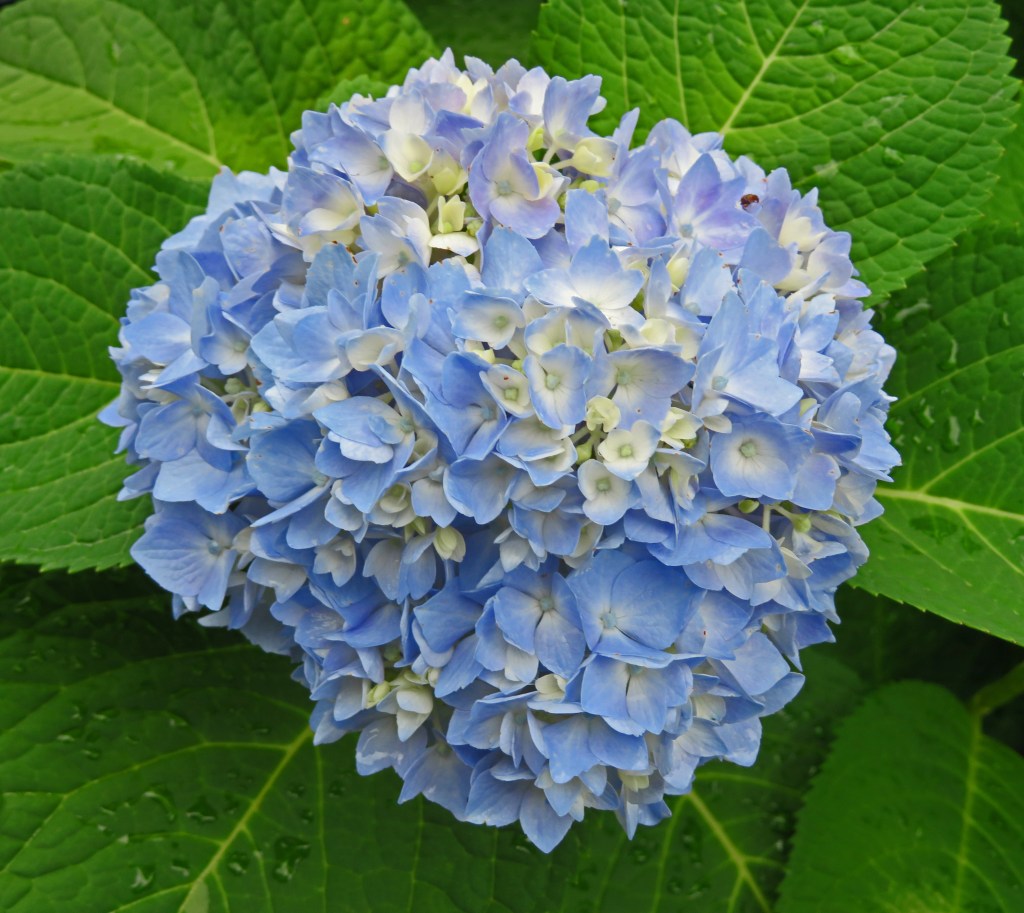
I have always gotten a kick out of the way I can make my hydrangeas change color just by pouring some leftover coffee around the base of the bush. These blooms started out blue, but some have turned pink after I started the coffee treatment.

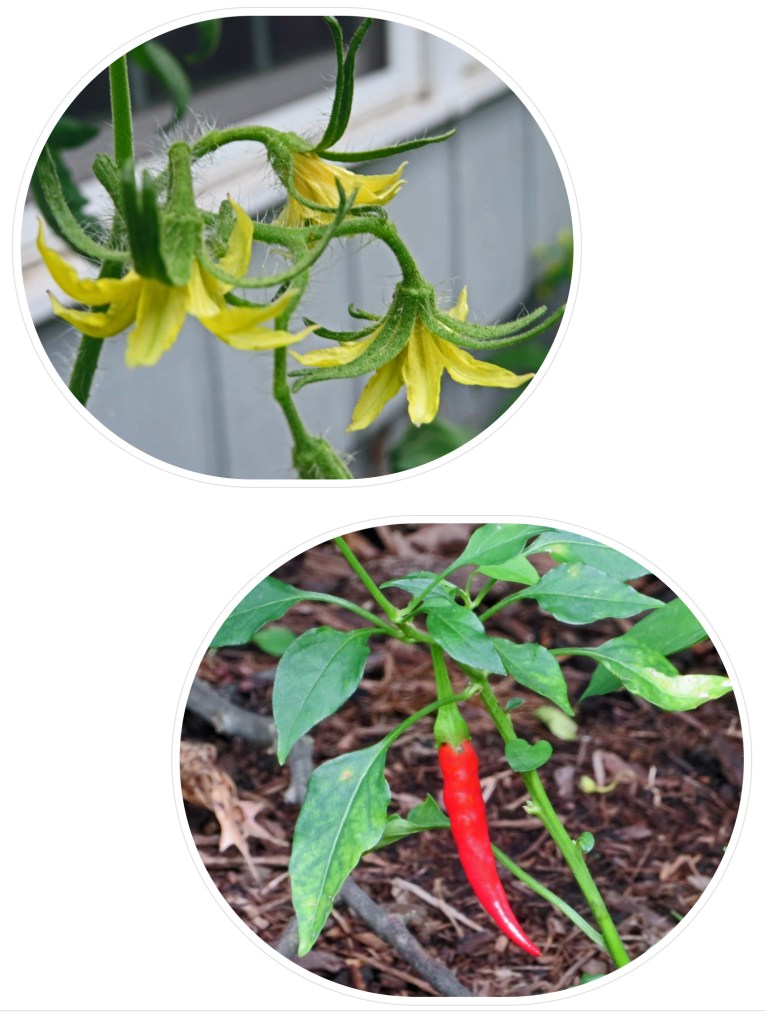
What is even prettier (and tastier!) than these blossoms? The vine-ripened tomatoes I’ve just now begun to harvest! And the cayenne pepper will be yummy cooked with a pot of greens.

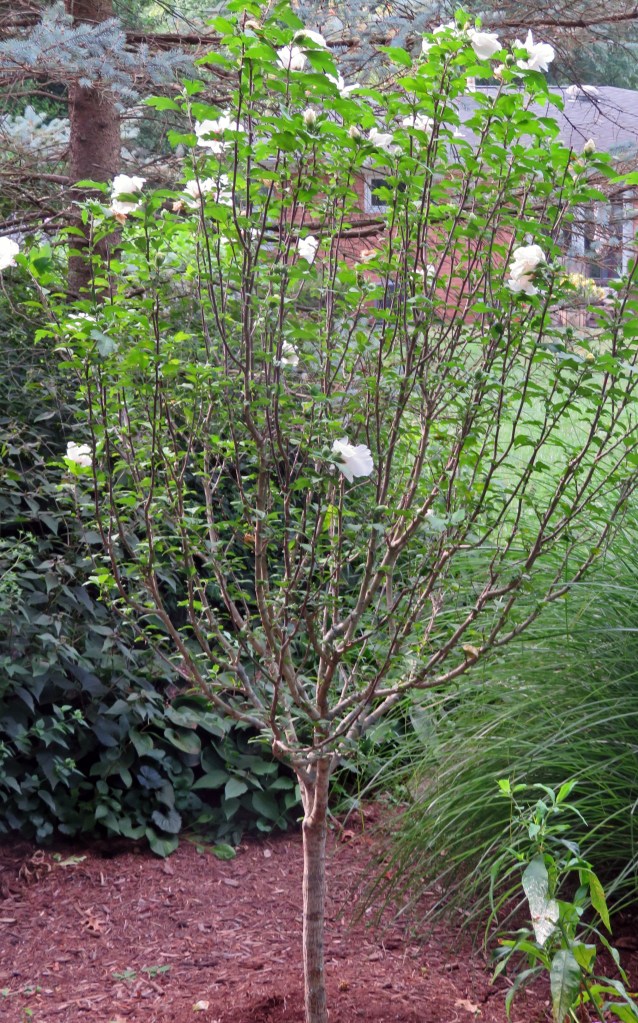
We also planted a Rose of Sharon tree in memory of our beautiful Olaf da Vinci.

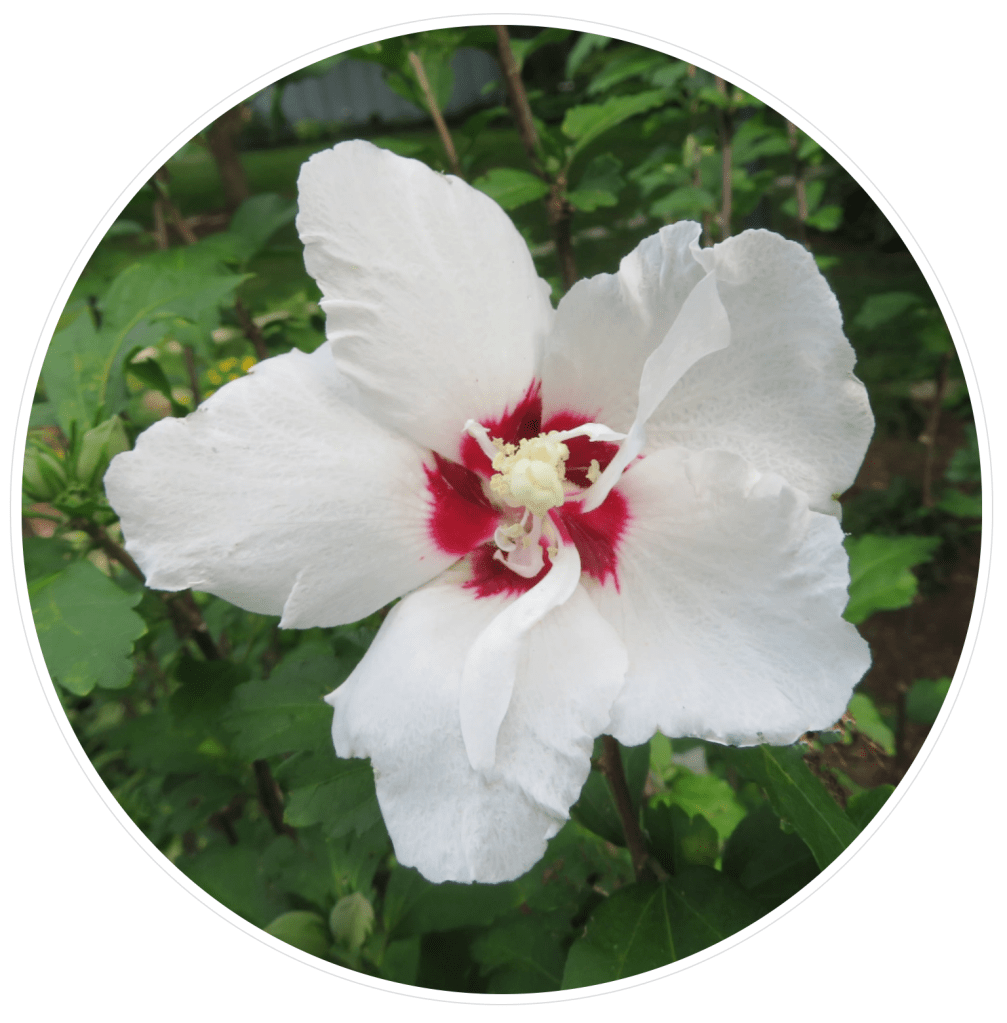
We wanted something with blossoms as flamboyant as our sweet kitty’s personality, and I think we found the perfect little tree to honor him. From mid-summer until frost the Rose of Sharon puts forth an abundance of showy white blossoms with red centers.

Walking meditation

This year I celebrated my birthday with a three-day weekend dedicated to prayer, meditation and reflection. Only instead of sequestering myself indoors, I tried to stay outside as much as possible.

A highlight of the weekend was a trip to Jubilee Farm, where my husband Pete and I walked their labyrinth for the first time.

Jubilee Farm was established in 1999 by the Dominican Sisters as a center for ecology and spirituality, according to their web site (link HERE).

The labyrinth – one of the farm’s more amazing and popular features – allows us to follow a defined pathway to the center of the circle and back out again, praying and meditating as we go.

Many labyrinths are located in churches or other buildings, but the one at Jubilee Farm is outside.

For more than three millennia, millions of people have used labyrinths as an aid for prayer, according to the Jublilee Farm web site (link HERE for an article about the labyrinth itself).

One of the most famous labyrinths – and the one replicated at Jubilee Farm – is embedded in the stone floor of the Cathedral of Notre Dame in Chartres, France. 

At the entrance to (or exit from) the Jubilee Farm labyrinth is a bench where we can sit for a moment to gather our thoughts.

The labyrinth is a single circular path which takes us to a center place and back out again,

At Jubilee Farm, the labyrinth path is mowed right into the pasture grass, as pictured above and below.

There are no wrong turns or dead ends in a labyrinth, the Dominican Sisters assure us. There is one way in and one way out. 

There is also no right or wrong way to pray while walking the labyrinth, a Sister who lives at the farm assured us the first time we visited Jubilee Farm in the spring.

We can pray for people or situations that are on our mind. We can ask a question and leave space for the Holy Spirit to respond. We can give thanks for the blessings in our lives.

Or we can walk in silence, observing the scenery around us and drinking in God’s presence.

All along the path at Jubilee Farm’s labyrinth, Pete and I encountered an abundance of milkweed, red clover and wildflowers.

We also encountered this little guy, who reminds us God wants us to pay attention! Is he magnificent or what?!

Finally we came to the center of the labyrinth, which had a couple of stumps where we could once again sit for rest or contemplation if we wished.

Walking to and from the labyrinth was an experience in itself. On the way back to our car, we walked past this pretty little pond.

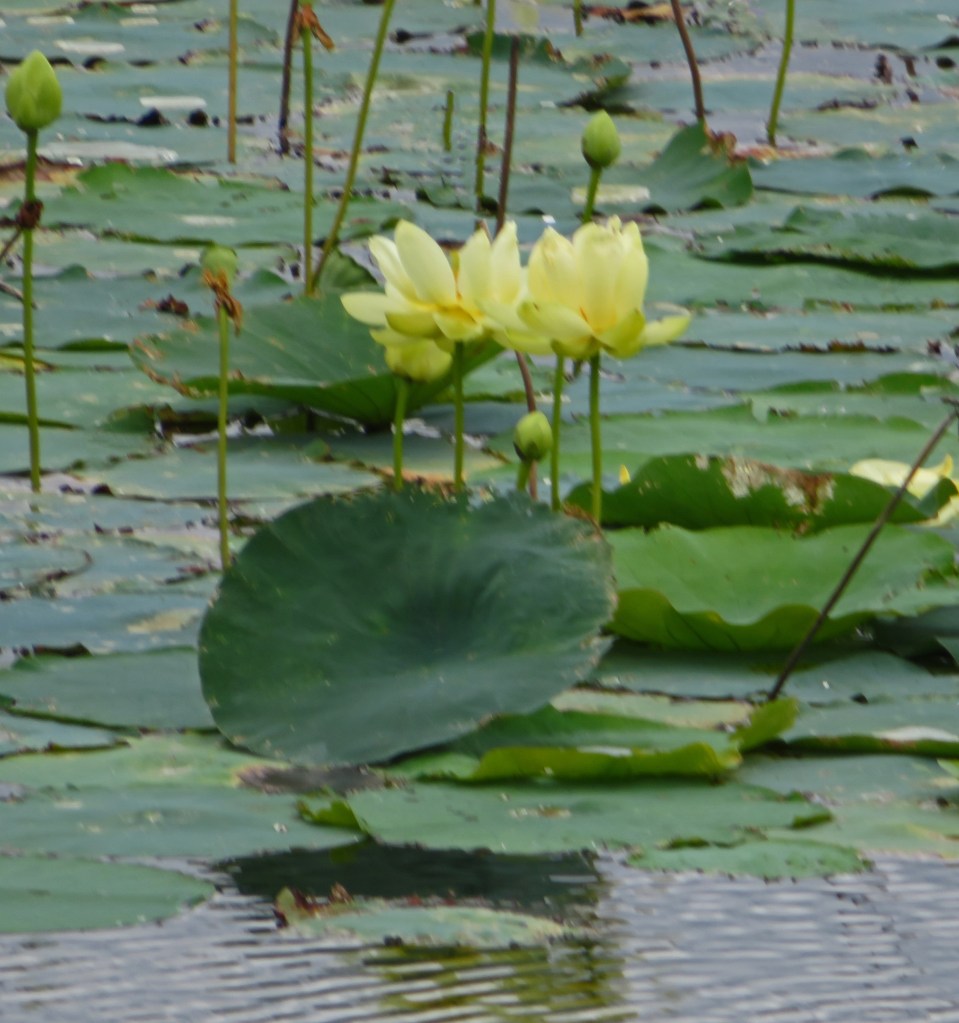
Below is a close-up of the water lilies and lily pads in the middle of the pond.

Millions of people around the world use labyrinths as a spiritual practice.

At Jubilee Farm, walking their labyrinth turned out to be nature prayer at its finest! And a great way to start my personal new year.

God’s other book: A new peek at our amazing universe

My inner Nerd Girl got to experience some real excitement this week!

The James Webb Space Telescope has produced the deepest and sharpest images of the distant universe to date, according to a special web site created by NASA, who released the first of the images to the public earlier this week (link HERE).

These images of our amazing universe serve to remind me that religion and science need not be seen as opposed to each other. Who can look at these astonishing images and not see evidence of a Creator?

At any rate, I couldn’t resist sharing some of them in a blog post.

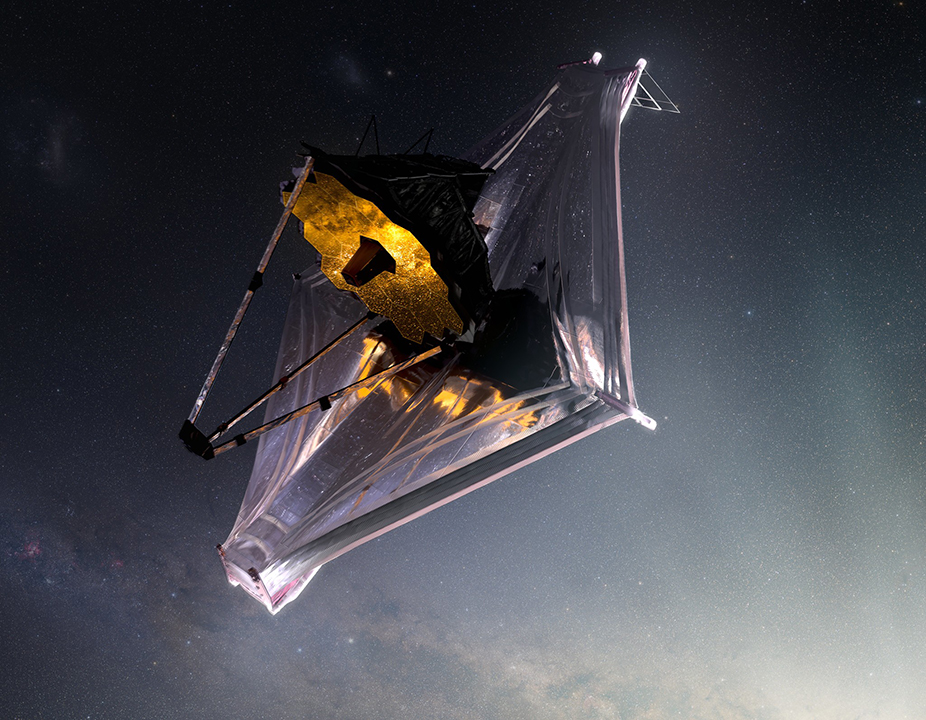
First, here is an artist’s rendition of the telescope. Launched in December 2021, the telescope is about the size of a tennis court, according to NASA, and will operate nearly a million miles beyond Earth’s orbit around the sun. (And I thought my little camera with the 40X zoom lens was fabulous.)

Webb will spend the next 20 years or so collecting data to help scientists study the farthest reaches of the known universe.

The image of galaxy cluster SMACS 0723, known as Webb’s First Deep Field, gives us a sense of the sheer vastness of the universe. Just think: Each speck of light in the image below is an entire galaxy, except for the brighter specks with spikes, which are stars in our own galaxy.

Each galaxy, in turn, may contain billions of stars, moons and planets. Compared to the universe as a whole, the slice of universe shown in this image is equivalent to the size of a grain of sand held at arm’s length by someone on the ground, according to NASA.

Sort of boggles the mind, doesn’t it?

When I look at this photo, I’m immediately reminded of Genesis 1:3: “Then God said, ‘Let there be light.’ And there was light.”

The next image is the Carina Nebula, the largest nebula in our own Milky Way galaxy. The nebula is the part of the image which resembles a mountaintop.

It looks solid, but is actually a giant cloud of gas and dust where stars are born, according to NASA. The stars are formed from the dust in the nebula.

Read Psalm 19:1: “The heavens declare the glory of God; the skies proclaim the work of his hands.” Then look at this image. Wow. God certainly is an artist!

What looks like a cosmic fireworks display in the image below is Stephan’s Quintet, a visual grouping of five galaxies. Some of the galaxies are so close they bump into each other, forming new stars, according to NASA.

If we think our Fourth of July fireworks are spectacular, just look at God’s fireworks …

The galaxy group is visible from Earth in the constellation Pegasus. Stephan’s Quintet is perhaps best known for being prominently featured in the classic Christmas film “It’s a Wonderful Life.”

The next image, of the Southern Ring Nebula, shows how a star similar to our sun looks as it is dying. The star has been sending out rings of gas and dust for thousands of years, according to NASA.

Does this image look like a giant cosmic eye, or what? It brings to mind Job 28:24: “For he looks to the ends of the earth, and sees everything under the heavens.”

NASA has made its entire collection of images, sounds and video available and publicly searchable online, including more than 140,000 photos and other resources we can download and use any way we like.

The images are available to everyone free of charge and free of copyright restrictions – NASA simply asks to be acknowledged as the source of the material. Their entire collection can be accessed via NASA’s Image and Video Library (link HERE).

And I’m not the only one who thinks our amazing universe points to the existence of a Creator. Turns out many of the the astronauts and other scientists who work at NASA share a strong faith as well.

According to an article in the Houston Chronicle (link HERE), Webster Presbyterian, just down the road from NASA’s mission control center in Houston. is spiritual home to dozens of NASA scientists, engineers, astronauts, lunar mission contractors and their families.

The church, now known as the Church of the Astronauts, has stained glass windows featuring images of the moon, the stars and distant nebulae. How cool is that?