For several years now, my number one priority has been to develop a better understanding of God, so I can fulfill God’s purpose for my life, discern what my core values should be and live accordingly. As I have sought to improve my relationship with God, a key part of my spiritual direction journey has involved exploring prayer.
My Bible study has yielded an abundance of models for how to pray – Matthew 6:9-16 gives us the Lord’s prayer, of course, and the Psalms provide dozens of other examples. At church, I’m invited to join the congregation in liturgical prayer. My 12-step groups introduced me to the Serenity Prayer, and my parents and grandparents taught me still others, from table grace to my favorite childhood bedtime prayer.
My first spiritual director was fond of pointing out that prayer is – quite simply – a conversation with God, and there is an almost infinite variety of ways to pray. We can offer up confessional prayers and liturgical prayers, prayers of intercession and prayers of thanksgiving, foxhole prayers and prayers of lament, nature prayer and even crowd-sourced prayers.
Types of prayer
Here are several types of prayer that I’ve personally engaged in.
- Foxhole prayer. A popular saying posits that “there are no atheists in foxholes.” While the Bible doesn’t explicitly mention the term “foxhole prayer,” Scripture is chock-full of desperate prayers from people in distress or danger. I must acknowledge that my prayer life during a crisis is quite often of the “foxhole” variety. Many of my prayers this past year happened in doctors’ offices and hospital rooms, and to say I was scared would be an understatement. So, this type of prayer is definitely part of my repertoire.
- Prayers of petition and intercession. When it comes to praying on behalf of ourselves or others, I know there is some concern about regarding God as a magic genie to whom we bring our shopping list. However, the Bible is jam-packed with prayers of petition and intercession, so I’m assured this type of prayer is perfectly appropriate. In fact, Philippians 4:6 encourages us to “let your requests be known to God,” and one could say most of the Lord’s Prayer qualifies as a prayer of petition.
- Confessional prayer. The Bible frequently emphasizes the importance of confession in seeking reconciliation with God. Proverbs 28:13 reminds us that “whoever conceals their sins does not prosper, but the one who confesses and renounces them finds mercy.” I’ve engaged in confessional prayer both privately, during morning meditation or as part of an evening Examen, and with others, as part of the prayer of confession and absolution during Sunday church services.
- Liturgical prayer. Liturgical prayers follow a prescribed order and include specific rituals and readings from sacred texts. Examples during Sunday services at my church include the invocation, confession and absolution, the collect, prayers of intercession, the Lord’s prayer and the benediction. I have always found the ritual aspect appealing, because it is conducive to contemplation and reflection. Plus, I feel a historical connection to other Christians who have been saying these same prayers for hundreds of years.
- Lament. Prayers of lament allow us to fully face and name the pain in our lives, and we need look no further than the Bible for numerous examples. The Psalms brim with prayers about pain, anguish, fear and grief. Jesus wept. More than once. Chapter 3 of Ecclesiastes reminds us that for everything, there is a season – a time to weep and a time to mourn are sanctified, right along with a time to laugh and a time to dance.
- Crowd-sourced prayer. This is what I like to call the prayers solicited on Facebook and other social media. Often responders not only pledge to offer up prayers themselves, but promise to put the original poster on their church’s prayer lists. When I’m the one asking for prayers, I like to visualize all those prayers wending their way up to heaven – prayers from my family, my friends and the folks who respond to the prayer lists at all the different churches my family and friends attend. Talk about feeling loved and supported!
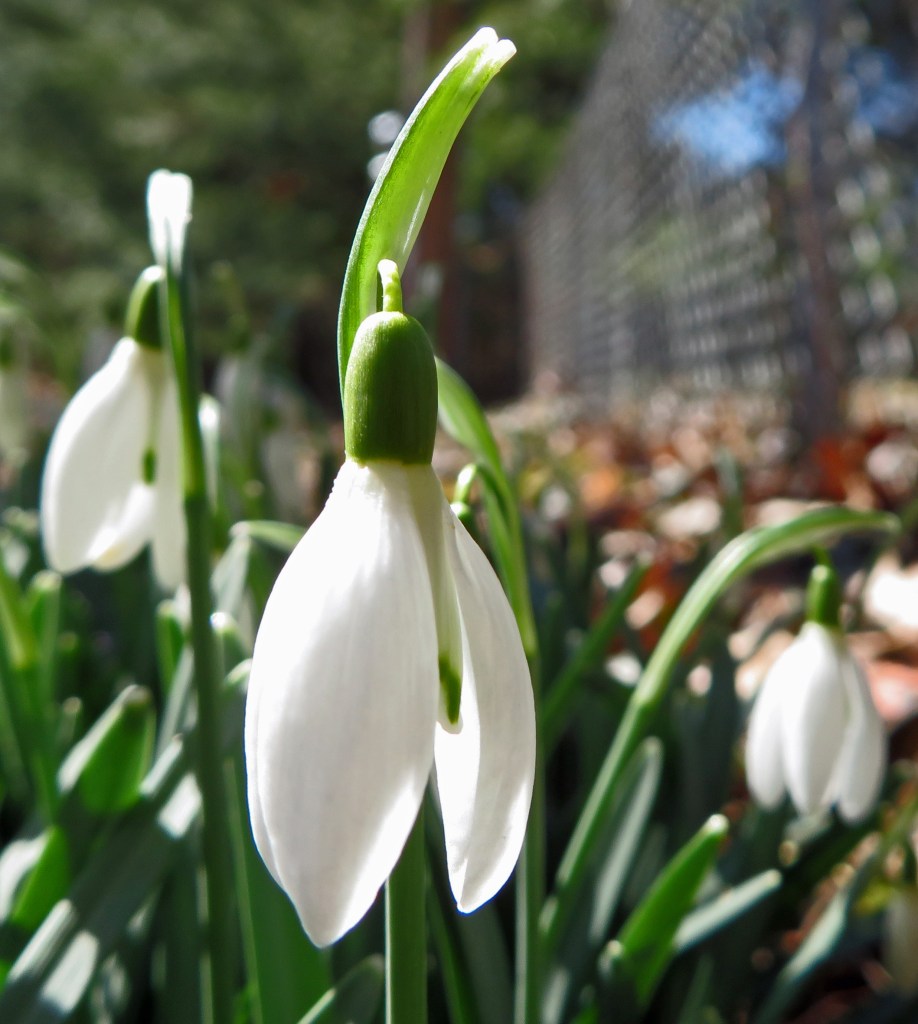
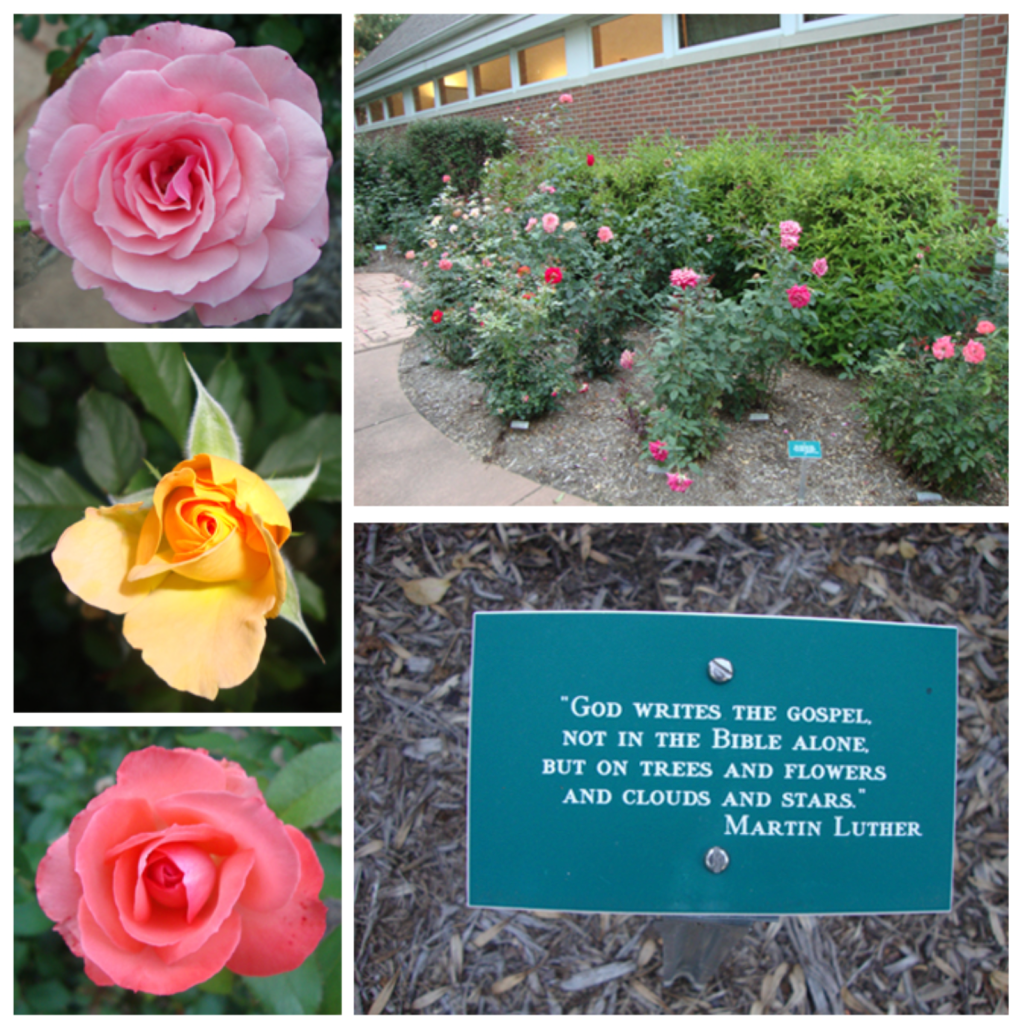
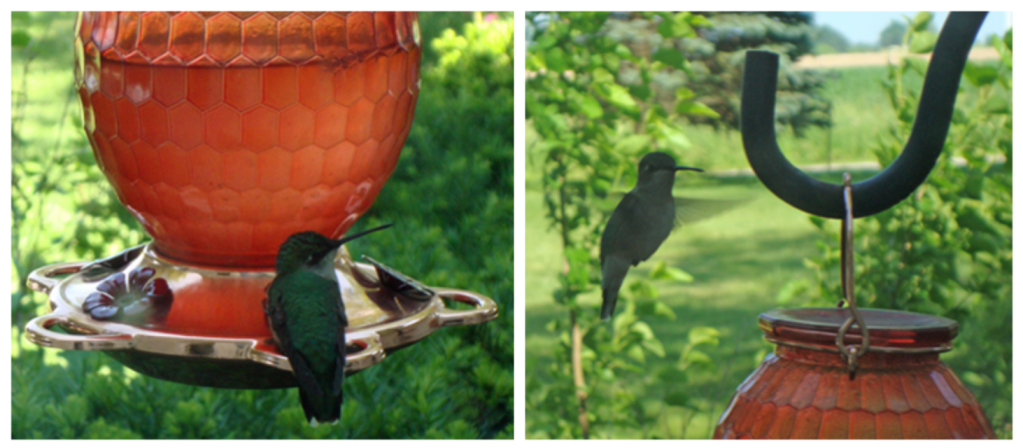
- Nature prayer. Nature prayer – encountering and being attentive to God’s presence in creation – has been my most consistently reliable way to address my occasional doubts about God’s existence. For me, it involves experiencing God’s handiwork with all my senses – seeing the vibrant colors of spring blossoms and fall leaves, listening to birds singing and cicadas humming, drinking in the scent of lilacs or honeysuckle, feeling a gentle breeze against my face, tasting the sweetness of a vine-ripened strawberry.
- Listening prayer. This form of prayer involves quieting ourselves and intentionally seeking to hear God’s voice by being still and receptive. As Psalm 46:10 tells us, “Be still and know that I am God.” One of my spiritual directors suggested that I say or write a prayer, then be completely silent for a few minutes while I quiet my mind and wait for God’s response. Then ask myself, “What is God saying to me right now?”
- Prayers of thanksgiving. 1 Chronicles 16:13 says: “Give thanks to the Lord, for he is good; his steadfast love endures forever.” Even in tough times – or maybe I should say, especially in tough times – expressing gratitude for answered prayers and other blessings can help lift me out of despair. I also remind myself that, while prayers of petition and intercession are fine, I must not forget to thank God when those prayers are answered.
Some prayer techniques worth trying
There are also several techniques designed to facilitate prayer that I’ve personally found helpful – some of them suggested by my spiritual directors and some that I’ve employed for nearly as long as I can remember:
- Memorization. Ever since I was a child and learned the bedtime prayer that begins with “now I lay me down to sleep,” there has been a place in my life for “rote” – or memorized – prayers. When I am too overwhelmed to think straight, rote prayers such as the Lord’s Prayer or the Serenity Prayer can help calm me and give me the words I need. The fact that a prayer is memorized, or is being recited in unison with others, or has been offered a gazillion times before, need not mean it’s “empty” as long as I pay attention to the words while I say them.
- Meditation. Morning meditation has been a vital part of my daily routine for more than a quarter century. I might journal about my priorities for the coming day, or make a gratitude list, or work on a homework assignment my spiritual director has given me. While the content may vary from one day to the next, I’ve found that I often feel more “centered” after a meditation session and sense that something is missing if I skip it.
- Writing/journaling. Writing, which has been a major part of my morning meditation sessions for years, helps me focus my thoughts in an organized way. This makes it a valuable tool, even when I’m communicating with God. Keeping a journal also encourages me to record the fruits of my prayers, which in turn reminds me that God does answer prayer more often than I appreciate.
- Photography. I’ve found that photography can serve as a potent medium for reflection and contemplation. It invites me to slow down and take notice of my surroundings, increases my awareness of the visual richness in ordinary objects such as an acorn or a flower blossom, and cultivates receptivity to God’s beauty all around me. Most of all, it demands that I pay attention and stay in the moment.
- Music. St. Augustine has been quoted as saying, “Whoever sings, prays twice.” I’ve long considered both making and listening to music conducive to prayer. For me, music has the power to cut through mental chatter and quiet my mind. Making music is a great way to offer a positive contribution to other Christians as well. For years, Pete and I sang in the church choir and sometimes Pete even serenades me with his dulcimer while I engage in morning meditation.
- Mindfulness. 1 Thessalonians 5:17 tells us to “pray without ceasing.” For me, this has come to mean mindfulness – living with a moment-by-moment awareness of God’s presence as I go about my daily activities, or at least trying not to get distracted by my own random thoughts while immersed in Bible study or listening to a sermon. I’ve found that mindfulness is definitely a learned skill, more easily said than done!
- Lectio divina. A Latin phrase meaning “sacred reading,” lectio divina is a form of prayer that can help us get more from our personal Bible study. This technique, suggested by my first spiritual director, encourages us to ask questions as we carefully and mindfully read scripture: What does the text say? What do I want to ask God about this text? What will be different in my daily life as a result of reading this passage, and how can I put its teaching into action?
- Examen. This technique, also suggested by one of my spiritual directors, is a time specifically set aside for reflective prayer. It may involve an examination of my conscience, prayerful reflection on the events of the day to detect God’s presence, expressions of thanksgiving and gratitude, or a request for the grace I will need to get through the following day. It’s a great way to wrap up my day before I go to sleep.
I’ve used some of these prayers and techniques off and on for years, while others have been added to my repertoire more recently. I’d like to commit to doing them all on a more regular, disciplined basis as I continue my spiritual journey.