
One of the niftier ideas to gain traction in recent years has been the micro pantry movement. Micro food pantries – sometimes referred to as Little Free Pantries or Blessing Boxes – operate on a simple premise: “Take what you need. Leave what you can.” There are no sign-ups, no strings attached and everything is free. If we’re in need, micro pantries are there for us. If we’re extra-blessed, we can help someone else.
These little outdoor pantries – usually about the size of a large kitchen cabinet – have begun to pop up in communities all over the country. They can be found next to churches, schools, businesses, apartment complexes and buildings owned by civic or not-for-profit organizations.
The pantries provide another source of help for a variety of individuals or families, from homeless people and hungry students to families strapped for cash between paychecks and people who need items not covered by SNAP benefits such as toilet paper or laundry detergent.
The need is growing. About 1 in 8 U.S. households suffer from food insecurity each year, according to the U.S. Department of Agriculture – meaning they had difficulty providing enough food for all household members. The nonprofit Feeding America estimates that 1 in 5 children face hunger. Poverty, unemployment or low wages, and disability are cited as chief causes of food insecurity.
The church I belong to built its own micro pantry a couple of years ago. We placed it in a well-lit area next to the sidewalk leading up to one of our front entrances. People can safely access it 24 hours a day, seven days a week, no questions asked.

Our little pantry is very well-used and has been a fairly easy project for our community service committee to maintain. Congregation members are encouraged to bring items and help keep it filled. We supplement individual contributions with occasional food drives and have received additional help from a generous bequest, as well as a fabulous group of community volunteers who call themselves Pantry Helpers.
For readers who would like to duplicate this idea in their own church, business or community group, I offer the following compilation of tips based on my own experience as a volunteer “pantry helper” and the experience of fellow volunteers. Feel free to take what you need and leave the rest! Also feel free to share this article with anyone who might be interested in such a project.
What to put in a micro pantry
A major challenge when filling a micro food pantry is that only nonperishable food items can be used, which rules out anything needing refrigeration. That leaves several creative options, however. Here are some examples of items that work great in these little free pantries:
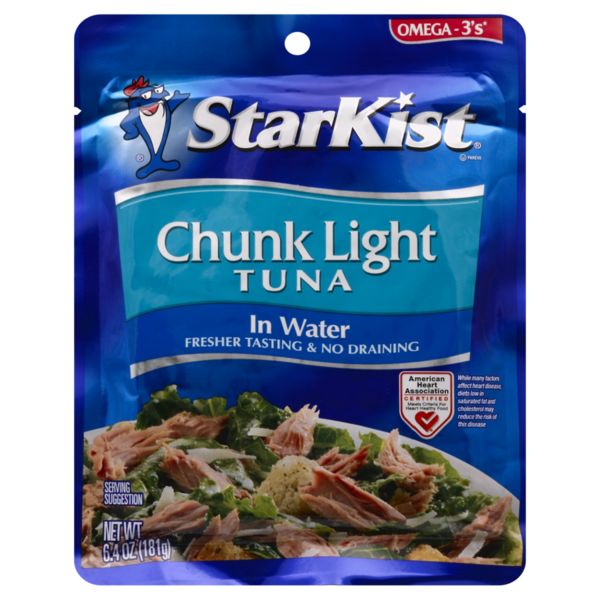
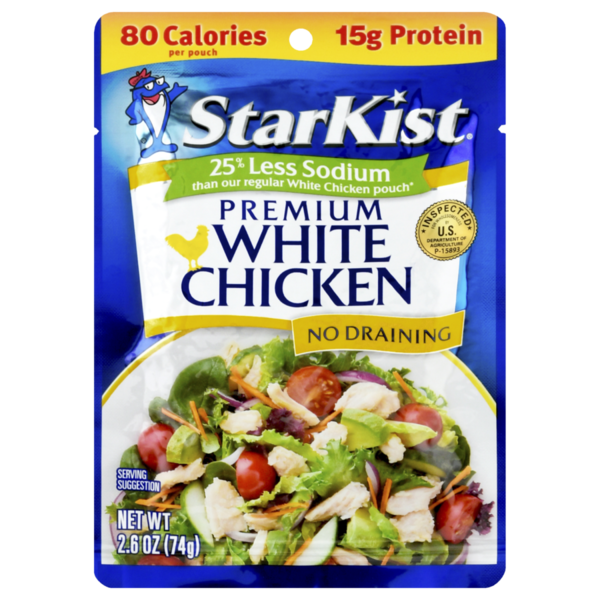
Canned or pouched meats: Chicken, ham, Spam, beef cubes, tuna, salmon, sardines, pre-cooked bacon, Hormel Compleats.
Other proteins: Canned stew, ravioli, spaghetti and meatballs or sausage gravy; peanut butter; nuts and seeds such as almonds, walnuts, cashews, peanuts or sunflower seeds.
Fruits and vegetables: Canned fruits, vegetables, corn, baked beans, sweet potatoes or yams.
Grain products: Pasta, rice, corn meal, crackers, stuffing mix, tortillas, taco shells.
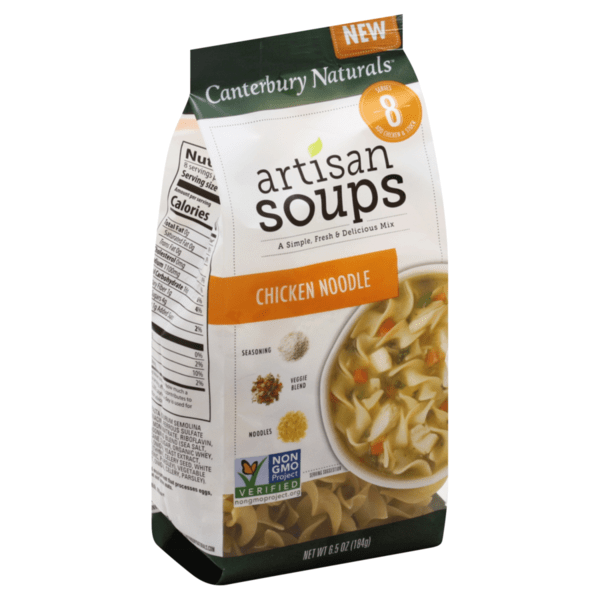
Soups: Chili; canned meat, bean or vegetable soup; boxed or pouched soup kits; ramen noodles.
Boxed kits: Macaroni and cheese, Hamburger Helper or Tuna Helper mixes, pasta noodles, rice and red bean mixes, scalloped or au gratin potato kits, pasta salad mix.
Breakfast items. Dry cereal, cream of wheat, prepackaged instant oatmeal, boxed or canned fruit juice, fruit cups, pop tarts or other breakfast pastries, pancake mix, syrup in a plastic bottle.
Other shelf-stable foods: Dried beans, instant mashed potatoes, pasta sauce in cans or plastic jars, pouched or plastic containers of baby food.
Healthy snack foods. Granola or protein bars, trail mix, peanuts or other nuts, P3 protein packs, yogurt pouches, pudding snack cups, jerky.
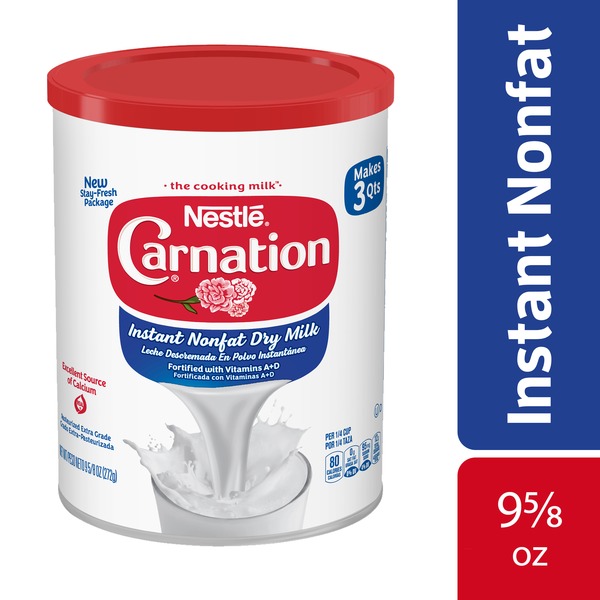
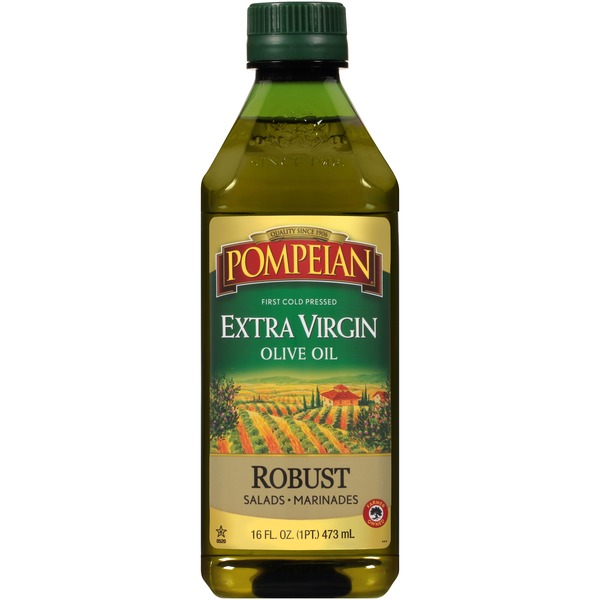
Cooking essentials. Sugar, flour, vegetable oil, cooking spray, vinegar, instant powdered or evaporated milk, powdered eggs, commonly used spices such as garlic, oregano, salt and pepper.
Condiments. Catsup, mustard, salsa, pickle relish, soy sauce, honey, lemon or lime juice, salad dressing.
Other: Coffee, tea, bottled water, energy drinks such as Gatorade.
Again, always make sure that all items are “shelf stable.” If unsure, check for the words “no refrigeration needed” or “refrigerate after opening.”

More goodies
Other great things to add to a micro food pantry include grocery store items that people can’t buy using SNAP benefits. Some volunteers even like to leave something for Fido or Fluffy. Here are some ideas:
Grooming supplies. Toilet paper, shampoo and conditioner, body wash, bar of soap and washcloth, disposable razors, toothpaste and toothbrushes, deodorant, feminine hygiene products, grooming kits for homeless people.
Baby items. Disposable diapers or pull-ups in assorted sizes, baby wipes, talcum powder.
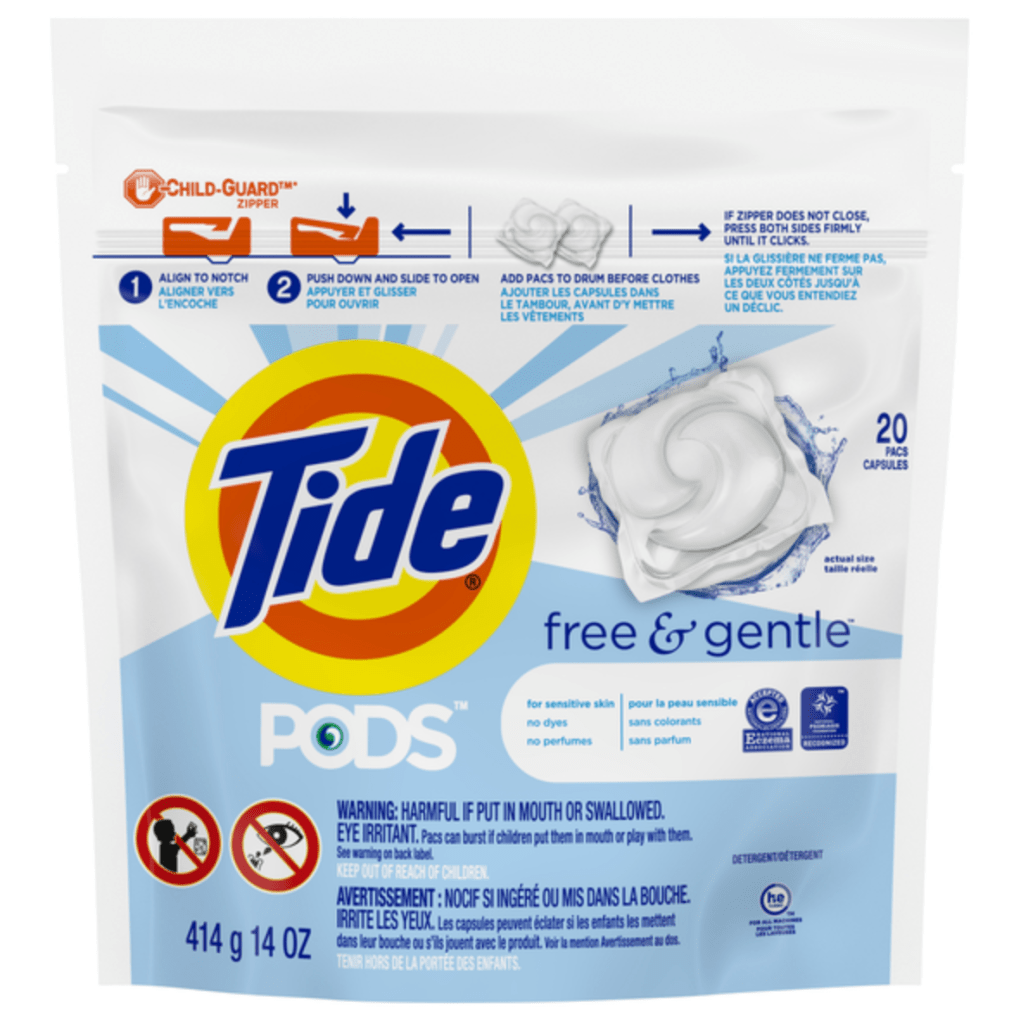
Cleaning supplies. Dish soap, laundry soap, bleach, sponges, paper towels, garbage bags.
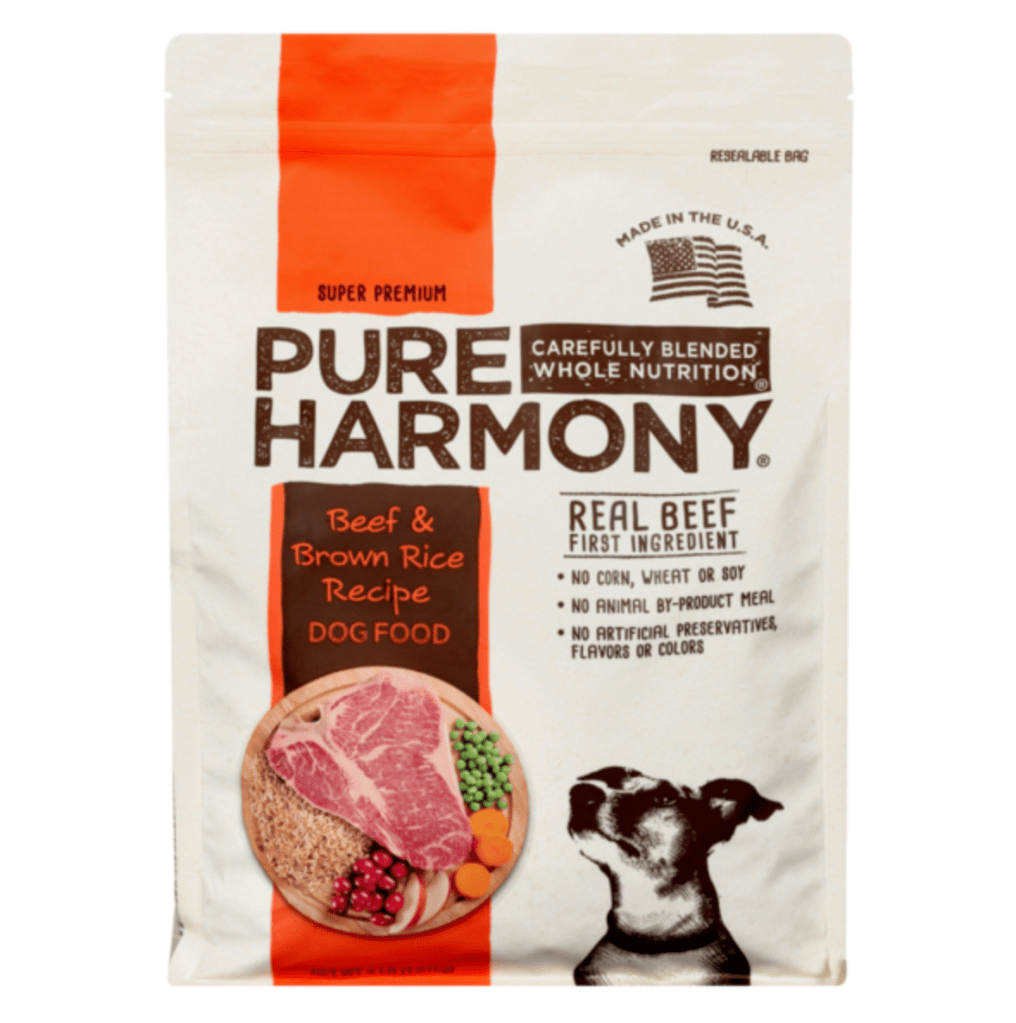
Pet food. Small cans, pouches or bags of dog or cat food.
Disposable face masks. During flu season or COVID outbreaks, order medical-grade masks online in boxes of 25 or 50 and put them in plastic sandwich bags in batches of 3 or 4 per bag.

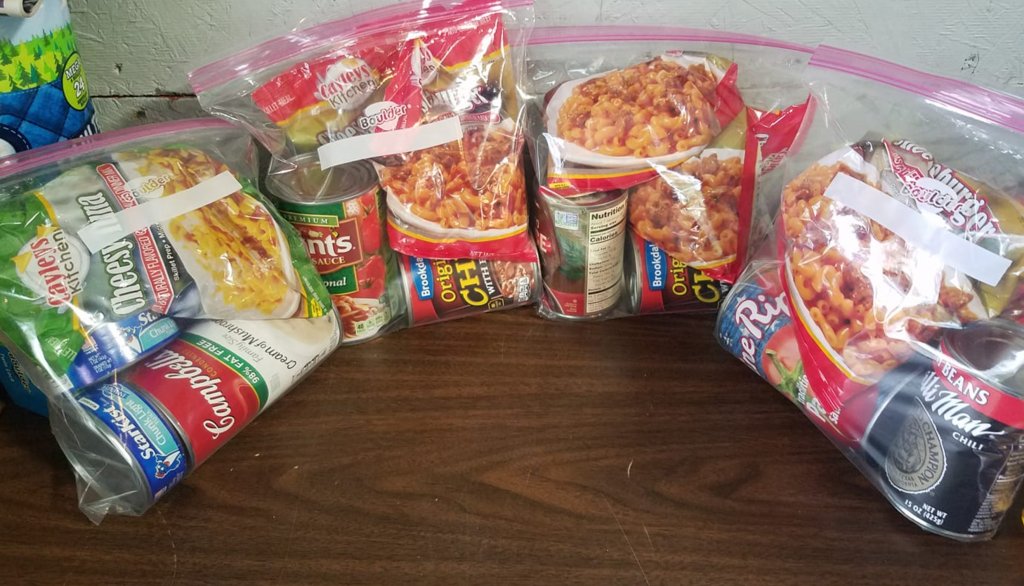
Recipe or meal kits
Meal kits or recipe kits are perfect for many micro pantries because it is often hard for people using food pantries to find all the ingredients they need to make a complete recipe. For example, simple kits can be made pairing boxes of pasta mix with sauce and pouches of meat. Here are some ideas:
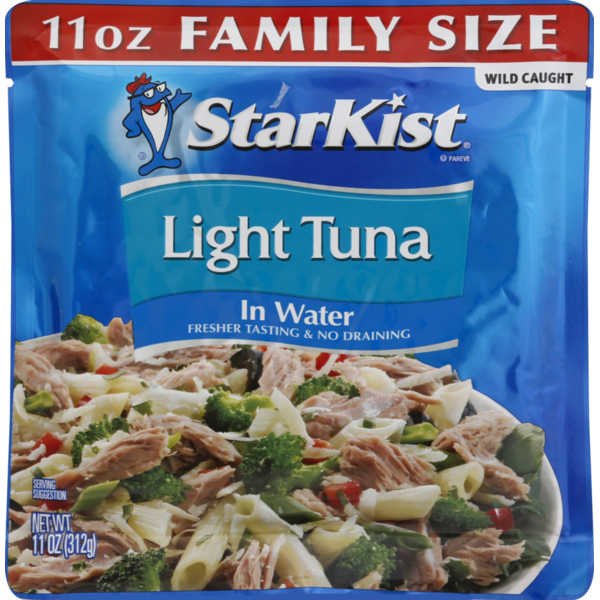
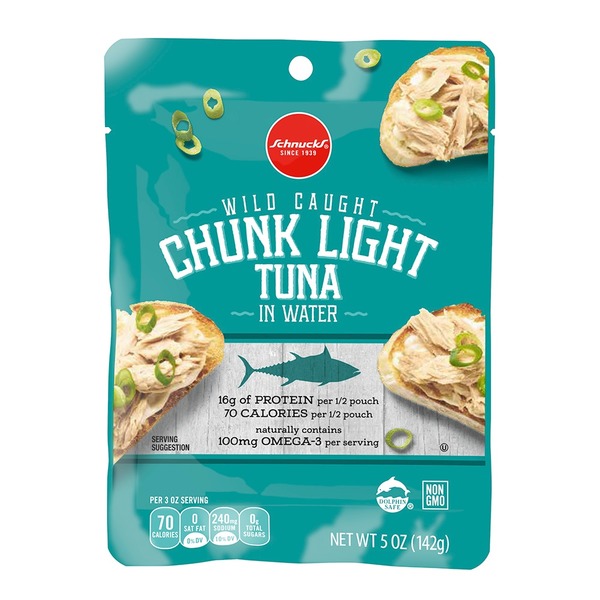
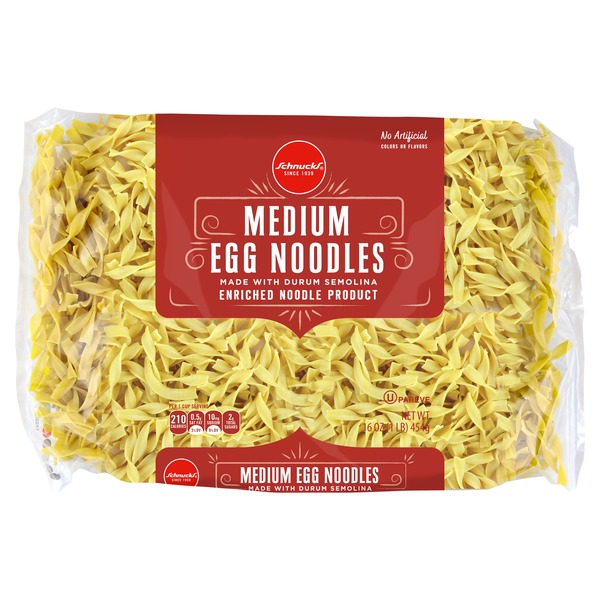
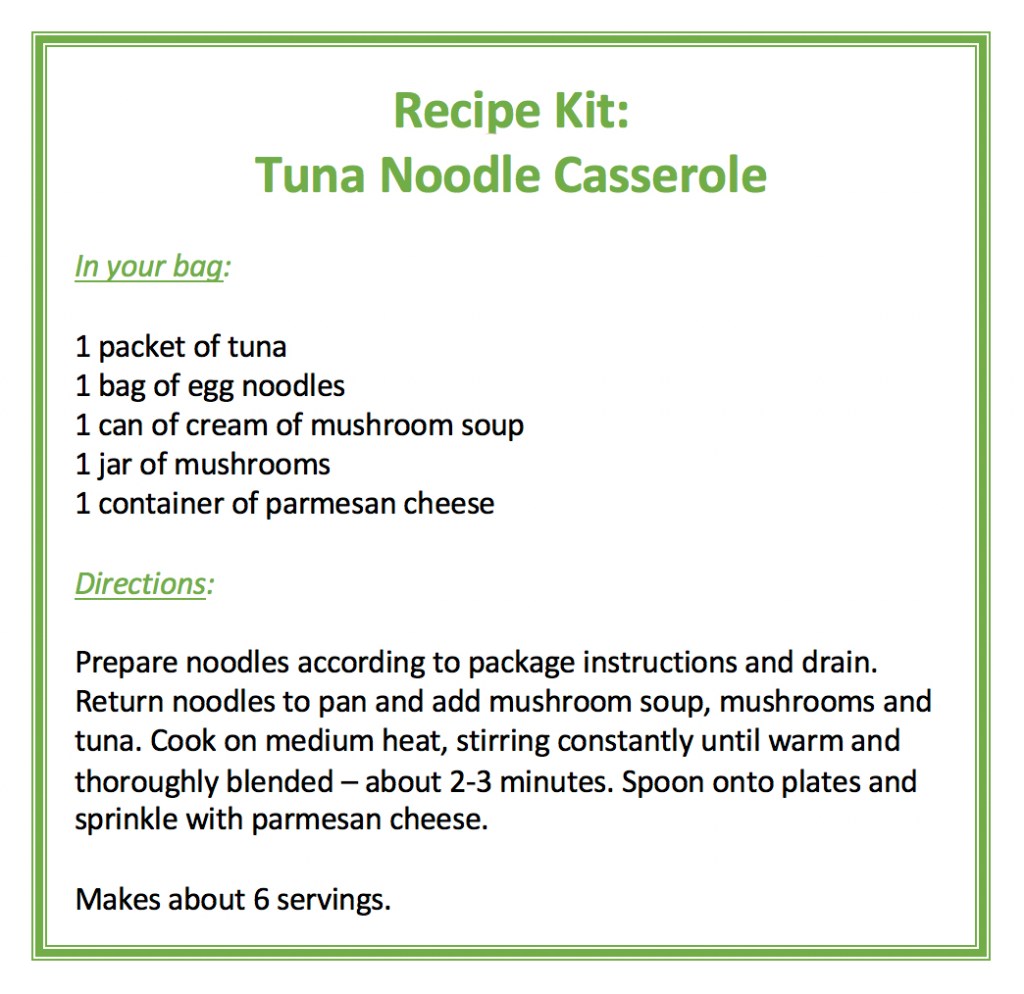
Chicken or tuna noodle casserole. Family size pouch or can of chicken or tuna, bag of egg noodles, canned cream of celery or cream of mushroom soup, can of mushrooms.
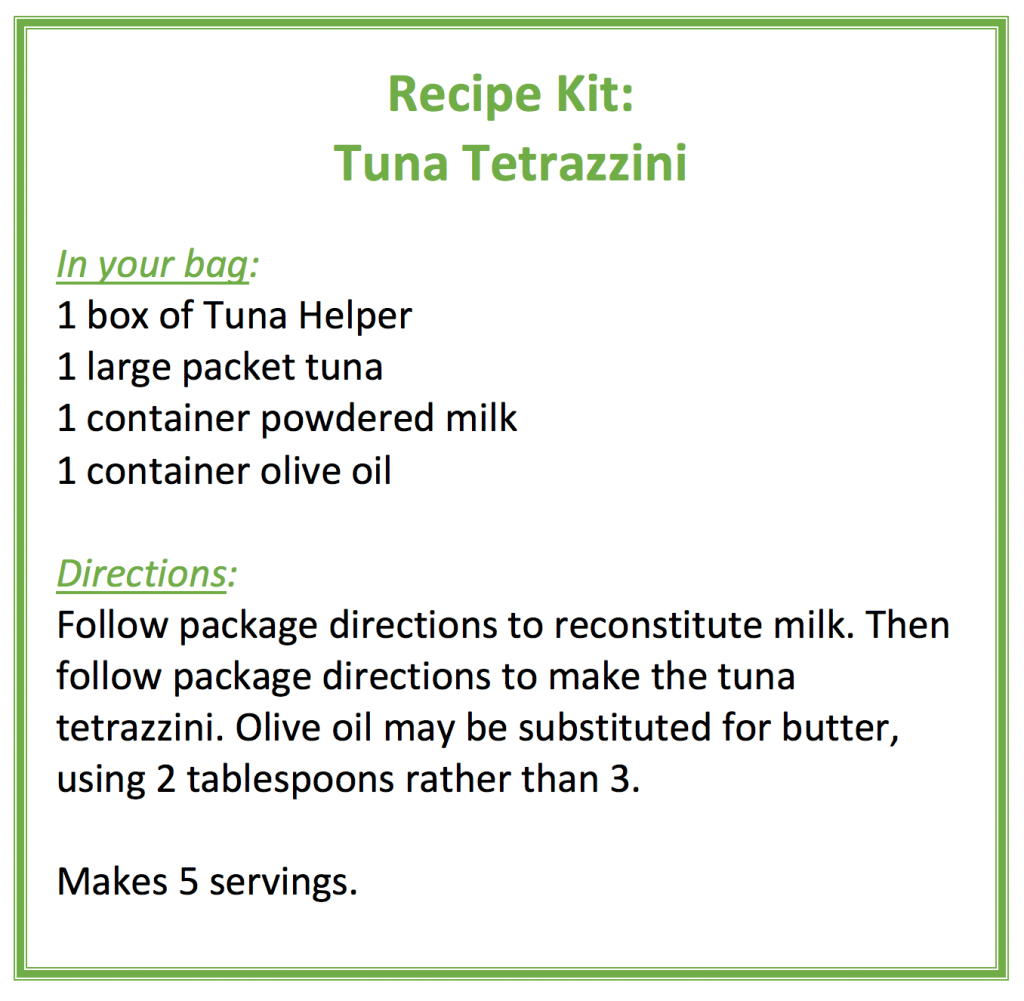
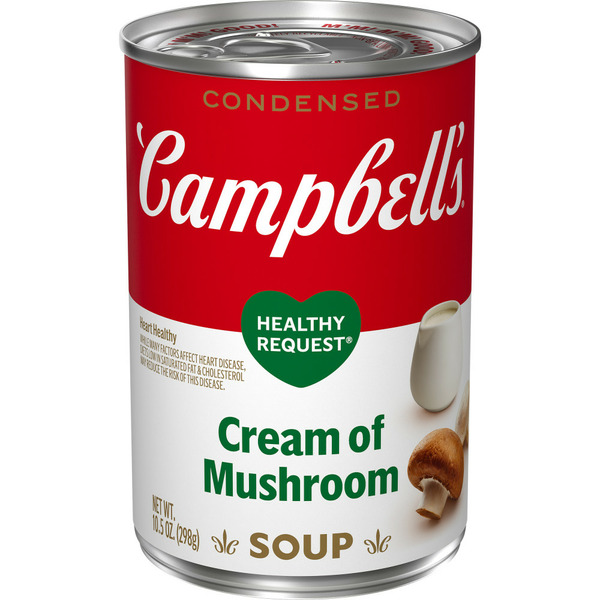
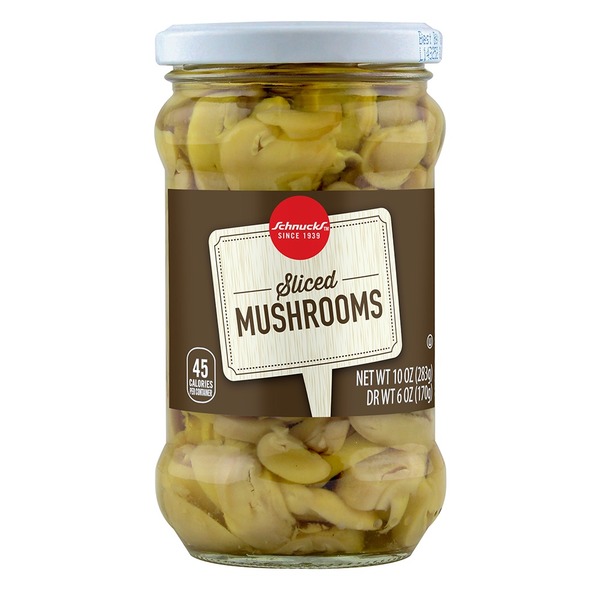
Tuna tetrazzini. Box of Tuna Helper tetrazzini, family-size pouch or can of tuna, canned cream of mushroom soup, can of mushrooms.
Chicken fettuccini alfredo. Boxed fettuccini alfredo kit, pouched or canned chicken, canned cream of chicken soup (which can be used in place of milk and butter).
Beef stroganoff. Boxed or pouched stroganoff mix, pouched or canned beef cubes, mushrooms.
Chicken a la king. Canned chicken a la king, biscuit mix that only requires adding water.
Biscuits and gravy. Canned sausage gravy, biscuit mix that only requires adding water.
Chicken soup. Pouched or boxed soup mix, pouched or canned chicken.
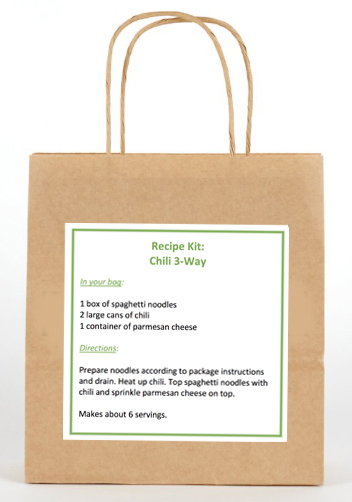
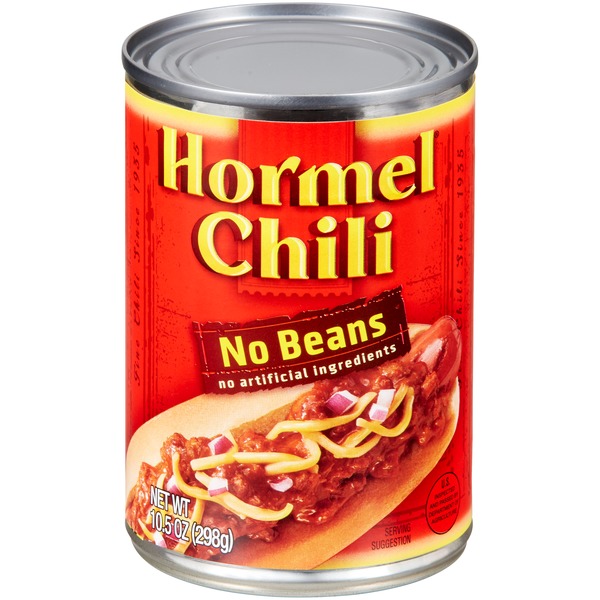
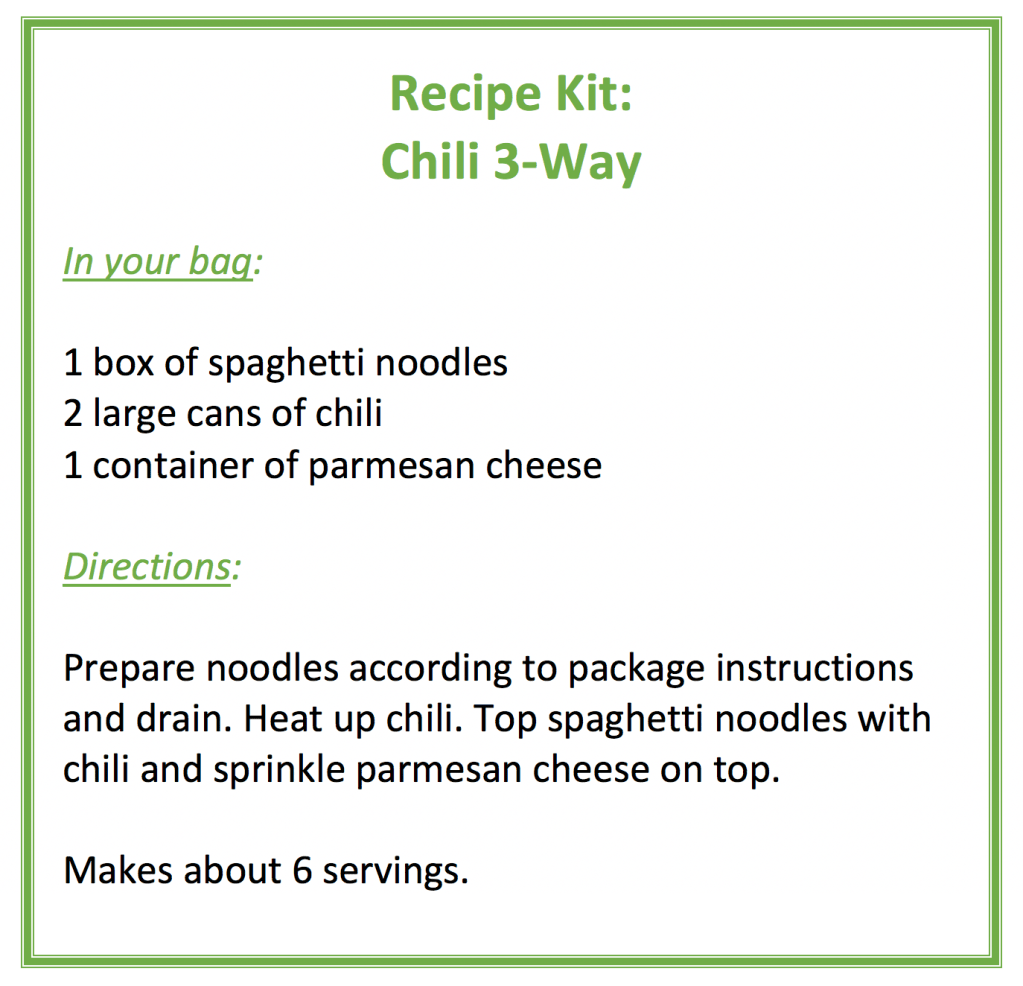
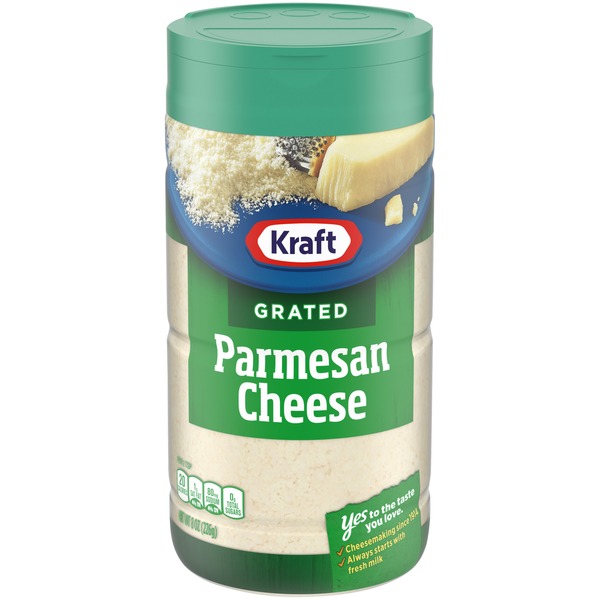
Chili 3-Way. Spaghetti noodles, can of chili, plastic container of parmesan cheese.
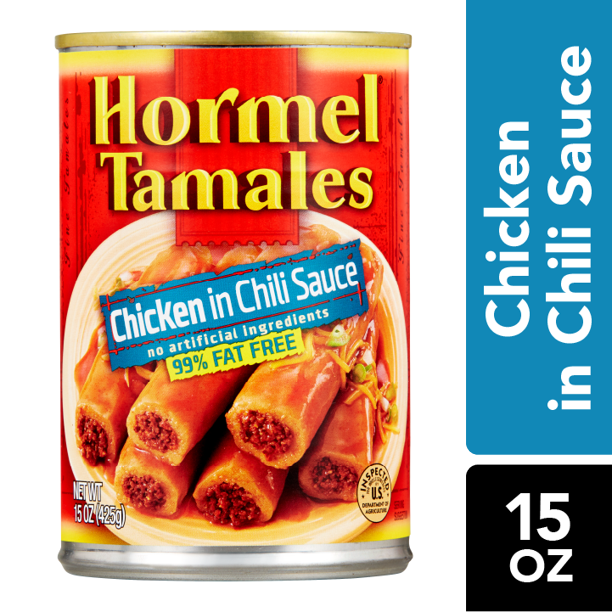
Mexican dinner. Canned tamales, heat-and-eat Spanish rice, canned refried beans or pinto beans, small plastic container of salsa.
Chinese dinner. Canned chow mein, can or bag of crispy chow mein noodles, packets or plastic container of soy sauce.
Sandwich fixings: Pair peanut butter and jelly in plastic jars, or tuna in a pouch with mayonnaise and pickle relish in plastic jars. Add a small loaf of sliced bread.
Sack lunches. Include a protein item (pouched yogurt, jerky, breakfast bar or granola bar, trail mix, crackers with peanut butter or cheese), a fruit cup and a container of vegetable juice. Adding plastic silverware and a napkin is a nice touch.
To make a kit, create a label listing the items in the bag along with recipe directions if needed. Paste or tape the label to the outside of a paper bag – a plain lunch-size paper bag or gift bag large enough to hold all the ingredients will work well. Ingredients for these kits may also fit nicely into a gallon-size zip-lock bag. Just tuck the recipe inside the bag.
Special needs
Each micro pantry has its own unique combination of neighbors and needs. Depending on your pantry’s location, the people who use it may be primarily families, homeless individuals or even students. Volunteers may want to tailor the pantry’s contents to the needs of its frequent users.
A downtown pantry popular with homeless people may contain an assortment of grab-and-go items or sack lunches packed with a protein item, a small container of juice, a fruit cup and plastic silverware. These pantries may also include small grooming kits, socks or gloves and snack foods such as granola bars that can easily be stuffed into one’s pockets.
A pantry located next to an apartment complex may contain items more suitable for families. Meal kits and breakfast items would be especially welcome here, as well as toilet paper, cleaning supplies, laundry detergent, baby wipes and pet food.
A pantry located at a school might include a variety of healthy snacks, as well as sack lunch kits. School supplies such as pens and spiral notebooks or grooming supplies and feminine hygiene products would also be useful for needy students.
Healthy snack items work great in just about any pantry, whether for homeless people or students who need something that doesn’t have to be heated up, or for families to pack for work or school.

Stocking your pantry in extreme weather
Winter weather provides yet another challenge: Not only must the items be non-perishable, but the packaging must be able to withstand freezing temperatures. This is particularly true in regions where temps can dip into single digits or lower. Glass jars or even canned goods can break or swell and burst when frozen, creating quite a mess! (Think soda cans left in the freezer.)
When sub-zero weather is in the forecast, you will want to choose meat that comes in pouches rather than cans – tuna, chicken and salmon are good options. Choose boxed soup rather than canned, or soup mixes in pouches. Staples such as sugar, flour, corn meal, rice, dried beans, pasta noodles, powdered milk, powdered egg whites, salt and pepper can withstand freezing and are always welcome regardless of the season.
Other good temperature-resistant items that fly off the shelves include grooming supplies, toilet paper, laundry detergent in a box or plastic jug, and small bags of dry pet food.
Despite the extra challenges, keeping micro pantries stocked in the winter is particularly beneficial because factors such as higher utility bills and unexpected medical expenses stemming from seasonal illnesses can squeeze budgets especially hard this time of year.

Other considerations
Is there anything that shouldn’t go into a micro pantry?
Volunteers who stock pantries on a regular basis recommend avoiding food in glass jars. Unfortunately, glass jars have been known to crack or break if the temperature gets too hot or too cold. Items such as peanut butter and jelly, mayonnaise, pickle relish and pasta sauce are often available in plastic rather than glass jars.
Another point to consider: If you don’t want to eat it, probably no one else does either. This includes expired, damaged or already opened food items, rusty, severely dented or unmarked cans, or any other food you would NOT eat yourself or feed your own family. This may seem like common sense, but volunteer pantry helpers have learned to expect just about anything – garbage, dented cans, perishable food that has perished.
Here are some additional things volunteers have collectively learned as they’ve stocked the micro pantries in their communities.
- If possible, locate your pantry in a well-lit place with a security camera nearby and in plain view. This may discourage vandalism as well as increase personal safety for pantry users.
- If a pantry has an overabundance of any one item, a pantry helper may want to remove some and either take to other pantries or gradually add the item back to the original pantry shelf. For example, leave a few rolls of toilet paper rather than an entire 12-roll package.
- Meal kits offer a way to move some items off the shelves. For example, boxed macaroni and cheese by itself may not work if a person doesn’t have milk and butter at home. But pair the same item with cream of cheese soup, which can replace milk and butter, and canned ham or spam that can be cut into chunks, and one has a complete meal. Canned beans and tomatoes present a similar puzzle, but may work well as part of a meal kit.
- Micro pantries are a great place to repurpose those little packets containing napkins and plastic silverware that come in to-go restaurant orders. That way, homeless people or students who avail themselves of food in the pantry have something to eat it with. The sample-size soap and shampoo picked up from hotel rooms are perfect for grooming kits.
- Again, consider the pantry’s location. Pull-top cans may not be a good idea in locations with a lot of ongoing vandalism, but they work perfectly in busy downtown spaces where homeless people gather.
- Pantries may need to be cleaned and repaired from time to time. Many volunteers carry garbage bags, boxes, latex gloves and some cleaning supplies in case they are needed when stocking pantries.

Make it a group project
What’s nice about micro pantries is that there are no hard-and-fast rules. At first, the little free pantries operated very informally, with mostly individuals either taking or adding items. But then various organizations began “adopting” the pantries and turning their maintenance into a more formal group effort.
If your church, business or civic organization has someone with carpentry skills, you can build your own little pantry. The one my church built turned out to be fairly easy to construct. (Click HERE for a link to the design and instructions we used.)
Other organizations may prefer to adopt an existing micro pantry and assume responsibility for keeping it filled, clean and in good repair.
At church, your youth group or community service committee could encourage congregation members to donate the items. Conducting a food drive would also make a great service activity for civic organizations you or your children belong to, such as Boy Scouts, Girl Scouts or your local garden club. Many businesses have also been conducting food drives.
Where I live, a 501c3 organization called Pantry Helpers specifically devotes itself to keeping our community’s nearly three dozen micro pantries stocked. The group organizes its own food drives or picks up food from other organizations that conduct the drives, and members distribute the items to the various pantries. These volunteers also make sure the pantries stay clean and in good repair.
The biggest thing volunteers have learned is just how great the need is in many of our communities. Keeping the pantries stocked is a huge challenge – items often fly off the shelves faster than they can be replaced. So anything individuals or groups can do to help is worthwhile.
All this adds up to a win-win situation for everyone, giver and receiver alike.












 Seriously Seeking Answers