Recipe: Baptist Sangria

Image created using Imagine AI

A growing trend – “Dry January” – offers a chance to skip the alcohol and try something different for a change.

Dry January challenges people to abstain from alcohol for the entire month. The new custom has gained popularity in recent years as a response to the excesses of the holiday season, and many are using the occasion as an opportunity to reevaluate their relationship with alcohol, modify habits, or experience the physical and mental health benefits of sobriety.

The good news: People who want or need to avoid alcohol – whatever the reason or season – have an increasing number of fun options besides the usual diet cola or club soda. One can try a Mockmopolitan, Virgin Mojito, Cucumber Cooler, Mango Tango, Citrus Sparkler or a few dozen other enticing offerings.

One of my favorite drinks in this category is a Baptist Sangria – so named because it is, you guessed it, nonalcoholic. The colorful mocktail offers a delicious alternative to the traditional sangria, perfect for people who choose not to drink alcohol, even beyond January.

More good news: This delightful drink actually has nutritional value – lots of Vitamin C and at least one fruit serving to help meet our daily quota of fruits and veggies – not to mention a large glass of something liquid to aid hydration.

To make the drink, I fill a large glass with equal parts cranberry or pomegranate juice, sparkling water and fresh fruit. If I really want to get fancy, I can add a sprig of mint.

I make sure the fruit juice is actually 100 percent juice, not “juice drink,” which has far too much added sugar.

For the sparkling water, I use Sodastream – a wonderful contraption that turns plain old tap water into sparkling water with none of the sodium often found in the commercial variety.

I then add fresh fruit such as citrus slices or wedges, fruit chunks or berries. The possibilities here are endless. Oranges, lemons, limes, strawberries, cherries, grapes, kiwis, peaches, apples, pineapples and melons all work well.

Ingredients

  • Cranberry or pomegranate juice
  • Sparkling water or club soda
  • Sliced fresh fruit, fresh fruit chunks or whole berries
  • Sprig of mint (optional)

Directions

Fill your glass about a third full of chilled juice.

Add an equal amount of chilled sparkling water and stir.

Fill the remainder of the glass with any combination of sliced fruit, fruit chunks, fruit wedges or berries.

Garnish with a fruit slice and/or a sprig of mint.

That’s it. Easy-peasy. Enjoy!

Nutrition information*

For a drink made from 4 ounces of cranberry juice, 4 ounces of sparkling water and a half cup of lemon, lime and orange chunks:

Calories: 95 | Carbohydrates: 25 g | Protein: 1 g | Fat: 0 g | Saturated Fat: 0 g | Cholesterol: 0 mg | Sodium: 12 mg | Potassium: 290 mg | Fiber: 2.5 g | Sugar: 21 g | Vitamin A: 0% | Vitamin C: 130% | Calcium: 3% | Iron: 0%

* Nutritional values are approximate, and may depend on brands used and other variables.

Recipe: Fresh fruit parfait

A favorite breakfast treat or afternoon snack at our house is a fresh fruit parfait.

I start with fat-free plain Greek yogurt and pile on a generous layer of fresh fruit such as strawberries, raspberries, blueberries, pineapple or mango chunks. I sprinkle low-fat granola over everything, and top with a dollop of sugar-free whipped topping.

Not only is this comfort food tasty, but it is chock full of good-for-you protein, fiber, calcium, potassium and Vitamin C. And it takes only minutes to make.

Yummmmm!

This recipe makes 2 generous servings.

Ingredients

  • 1 cup fat-free plain Greek yogurt
  • 1 cup fresh fruit
  • 4 tablespoons fat-free granola
  • 4 tablespoons sugar-free whipped topping

Directions

Start with a layer of the Greek yogurt in the bottom of a tall glass.

Layer fresh fruit over the yogurt.

Add granola and sprinkle evenly over the yogurt and fruit.

Top with a generous dollop of whipped topping.

Nutrition information

Calories: 200 | Carbohydrates: 20 g | Protein: 16 g | Fat: 8 g | Saturated fat: 1 g | Cholesterol: 10 mg | Sodium: 65 mg | Potassium: 295 mg | Fiber: 4 g | Sugar: 11 g | Vitamin C: 50% | Calcium: 15% | Iron: 1% 

Recipe: Dreamsicle fluff dessert

This sweet treat was a staple at church potlucks and family get-togethers when I was growing up. And it’s been perfect for enticing my husband to eat, once he got home from the hospital.

As usual, I’ve modified the childhood comfort-food recipe to make it healthier – reducing the sugar and fat content by using sugar-free pudding and gelatin mixes and substituting fat-free milk for half the sugar-free whipped topping.

The milk also adds protein, and the mandarin oranges add plenty of potassium and Vitamin C.

The result is still delicious!

This recipe makes 4-6 servings.

Ingredients

  • 1 small box sugar-free fat-free vanilla pudding mix
  • 1 small box sugar-free orange gelatin mix
  • 15-ounce can no-sugar-added mandarin oranges
  • 1 cup sugar-free whipped topping
  • 1 cup fat-free milk
  • 3/4 cup water
  • 4-5 ice cubes

Directions

In a saucepan, bring the water to a boil and add the gelatin mix, stirring until completely dissolved. Add the ice cubes and stir until they are melted. Set aside.

Make pudding according to package directions, but using only one cup milk instead of two.

Add whipped topping to pudding and blend thoroughly, then add the liquid gelatin mix and blend.

Fold the mandarin oranges into the mixture.

Refrigerate overnight or until firm.

Nutrition information

Calories: 110 | Carbohydrates: 19 g | Protein: 1.5 g | Fat: 1.5 g | Saturated Fat: 1.5 g | Cholesterol: 0 mg | Sodium: 90 mg | Potassium: 180 mg | Fiber: 1 g | Sugar: 9 g | Vitamin A: 5% | Vitamin C: 24% | Calcium: 10% | Iron: .5%

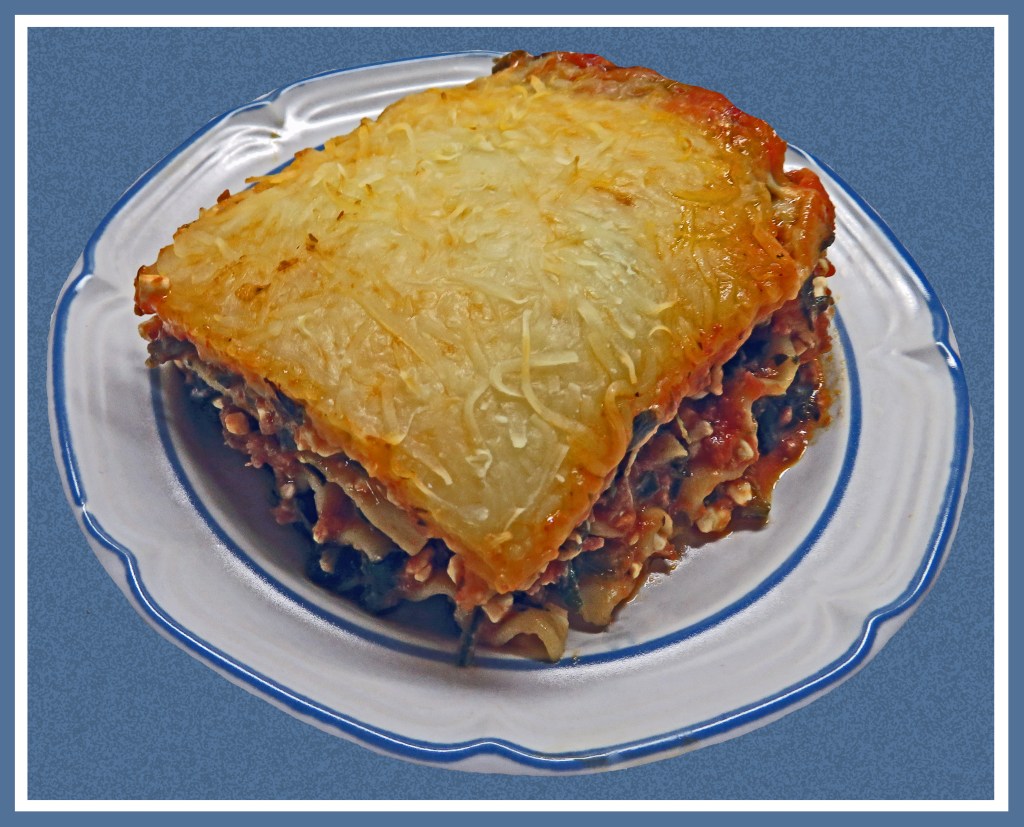
Recipe: Spinach lasagna

I just l-o-v-e lasagna, but most traditional recipes include ingredients that make it a carb-and-fat-laden calorie bomb.

This meat-free version is great both for the Lenten season and for those looking to reduce their meat consumption during the rest of the year.

I’ve cut a substantial portion of the fat content by using fat-free cottage cheese and low-fat part-skim mozzarella cheese. I’ve reduced the salt content by using low-sodium marinara sauce and no-salt-added tomato paste, added fiber by using whole-grain noodles and even sneaked in an extra dose of veggies by doubling the spinach.

The result? While still not calorie-free (shucks!), the healthier ingredients improve the nutritional quality of this comfort-food favorite without sacrificing flavor.

Lasagna also freezes well, which makes it great for batch-cooking.

This recipe makes 8 servings.

Ingredients

  • 6 whole grain lasagna noodles
  • 2 9-ounce boxes frozen chopped spinach
  • 24-ounce tub fat-free cottage cheese
  • 25-ounce jar reduced-sodium marinara sauce
  • 6-ounce can no-salt-added tomato paste
  • 8-ounce package reduced-fat shredded mozzarella cheese

Directions

Boil the noodles until al dente.

For the filling, thaw spinach in the microwave oven and thoroughly drain. Add cottage cheese, tomato paste and marinara sauce to the spinach and stir to thoroughly combine ingredients.

Spoon 1/3 of the lasagna filling into a 9 X 13-inch pan, spreading evenly. Top with a layer of noodles. Repeat, then top with the remainder of the filling.

Bake in a 400-degree oven for about 45 minutes.

Remove from the oven and sprinkle the cheese evenly on top.

Bake for another 10-15 minutes, or until cheese is melted and lightly browned.

Nutrition information

Calories: 280 per serving | Carbohydrates: 29 g | Protein: 21 g | Fat: 7 g | Saturated Fat: 3 g | Cholesterol: 10 mg | Sodium: 680 mg | Potassium: 430 mg | Fiber: 6 g | Sugar: 15 g | Vitamin A: 53% | Vitamin C: 2% | Calcium: 4% | Iron: 4%

Stocking your micro pantry in the winter

In previous posts, I wrote about the micro food pantries that are popping up outside churches, schools and businesses in communities around the country (link HERE), as well as ideas for meal kits or recipe kits to put in these mini pantries (links HERE and HERE and HERE).

A major challenge when creating recipe kits for a micro pantry is that only nonperishable ingredients can be used, which rules out ingredients like milk, eggs, fresh meats and most produce.

Winter weather provides yet another challenge: Not only must the items be nonperishable, they must be able to withstand freezing temperatures. This is particularly true in regions where temperatures can dip into single digits or lower. Canned goods or glass jars can break or swell and burst when frozen, creating quite a mess! (Think cans of soda left in the freezer.)

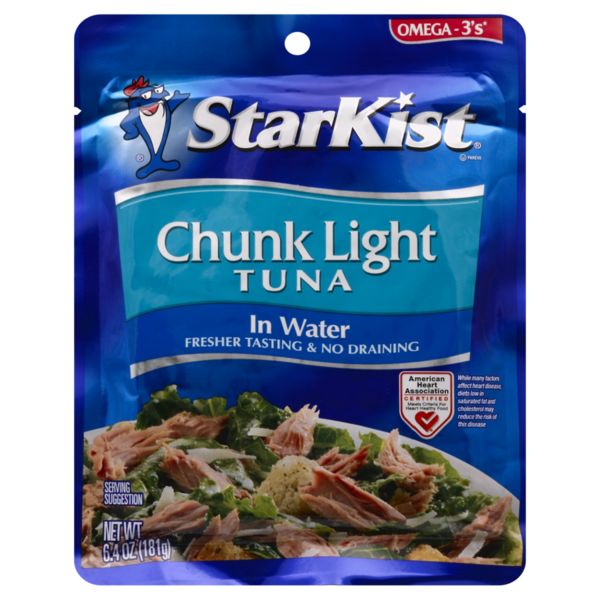
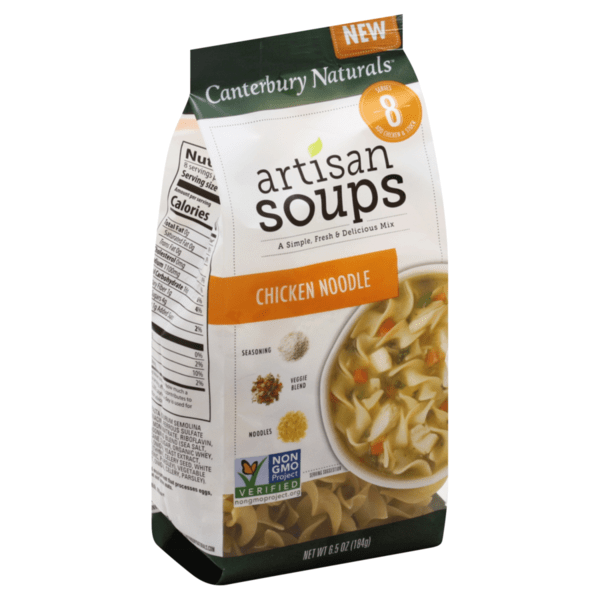
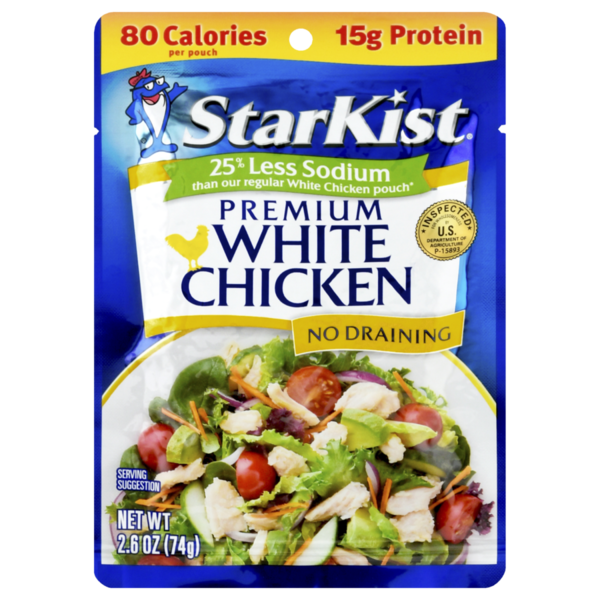
You will want to choose meat that comes in pouches rather than cans – tuna, chicken and salmon are some options. Choose boxed soup rather than canned, or soup mixes in pouches. Peanut butter and jelly, mayonnaise, pickle relish and pasta sauce often are available in plastic jars rather than glass jars.

Fortunately, that still leaves plenty of creative options for meal kits.

For a sandwich kit, pair peanut butter and jelly in plastic jars, or tuna in a pouch with mayonnaise and pickle relish in plastic jars. Add a loaf of sliced bread.

Another meal kit idea might include a package of chicken soup mix, paired with chicken in a pouch. Still more recipe kits can be made with boxes of pasta mix and pouches of meat. Examples include a family-size pouch of tuna paired with a box of tuna noodle casserole mix or a pouch of chicken chunks paired with Alfredo mix.

Breakfast food items are always popular – boxed cereal, boxed juice, instant milk, pop tarts, pancake mix and syrup in a plastic bottle can withstand colder temps.

In addition to meal kits or recipe kits, staples such as sugar, flour, corn meal, rice, dried beans, pasta noodles, powdered milk, powdered egg whites, salt and pepper can withstand freezing and are always welcome regardless of the season.

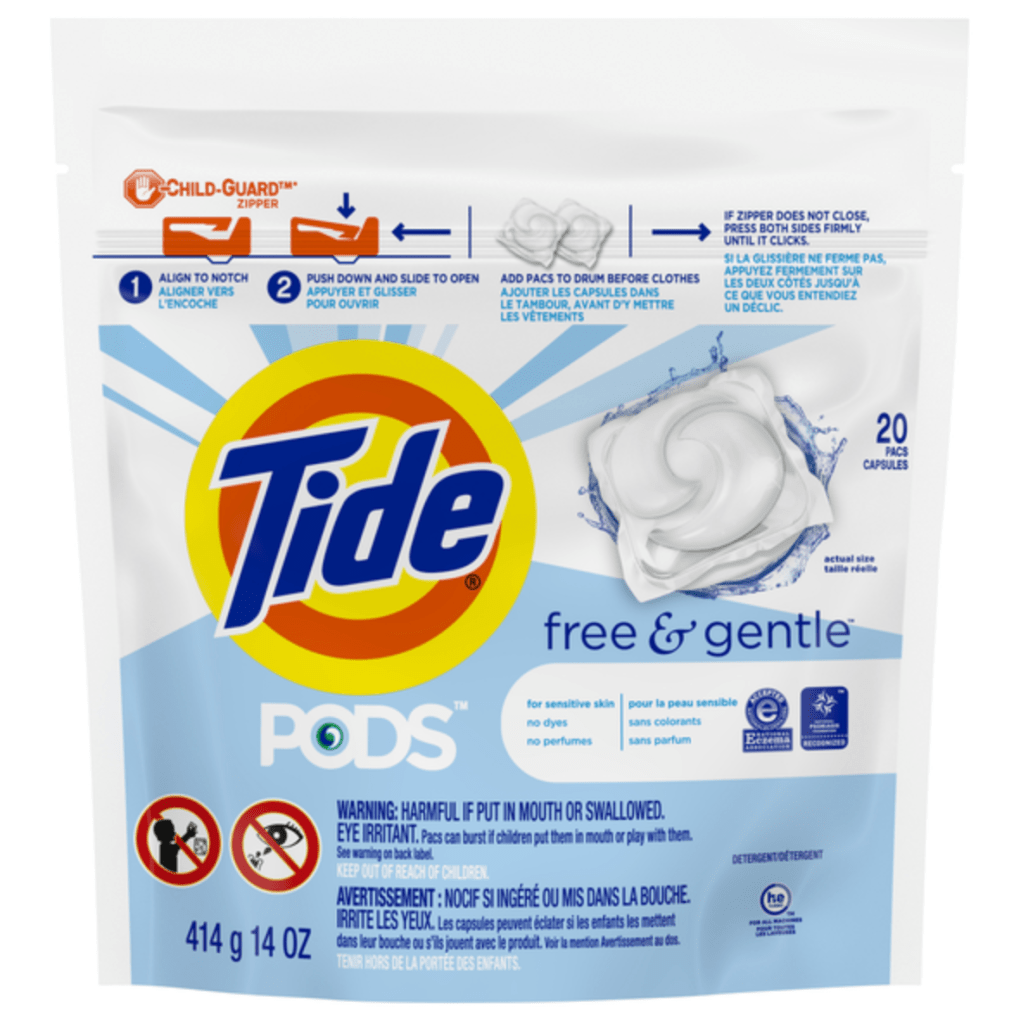
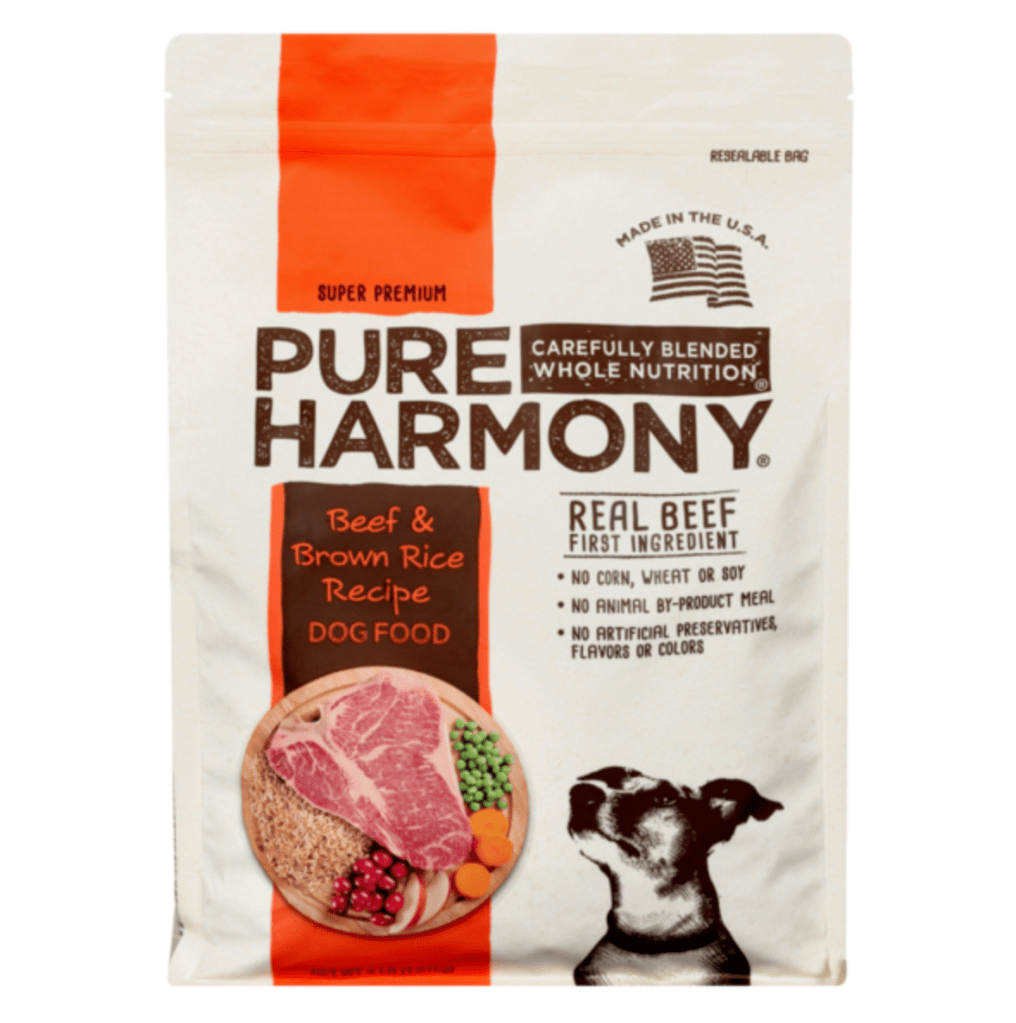
Other good temperature-resistant items that fly off the shelves include grooming supplies (bar of soap and washcloth, toothpaste and toothbrush, feminine hygiene products), toilet paper, laundry detergent in a plastic container (pods) or box, and small bags of dry cat or dog food.

Snack bars, chips, sandwich crackers, jerky and “snack kits” are great for homeless people who need something that doesn’t have to be heated up or thawed out. These items are also good for putting into sack lunches for work or school.

Despite the extra challenges, keeping micro pantries stocked in the winter is particularly beneficial because factors such as higher utility bills and unexpected medical expenses due to seasonal illnesses are likely to squeeze budgets especially hard this time of year.

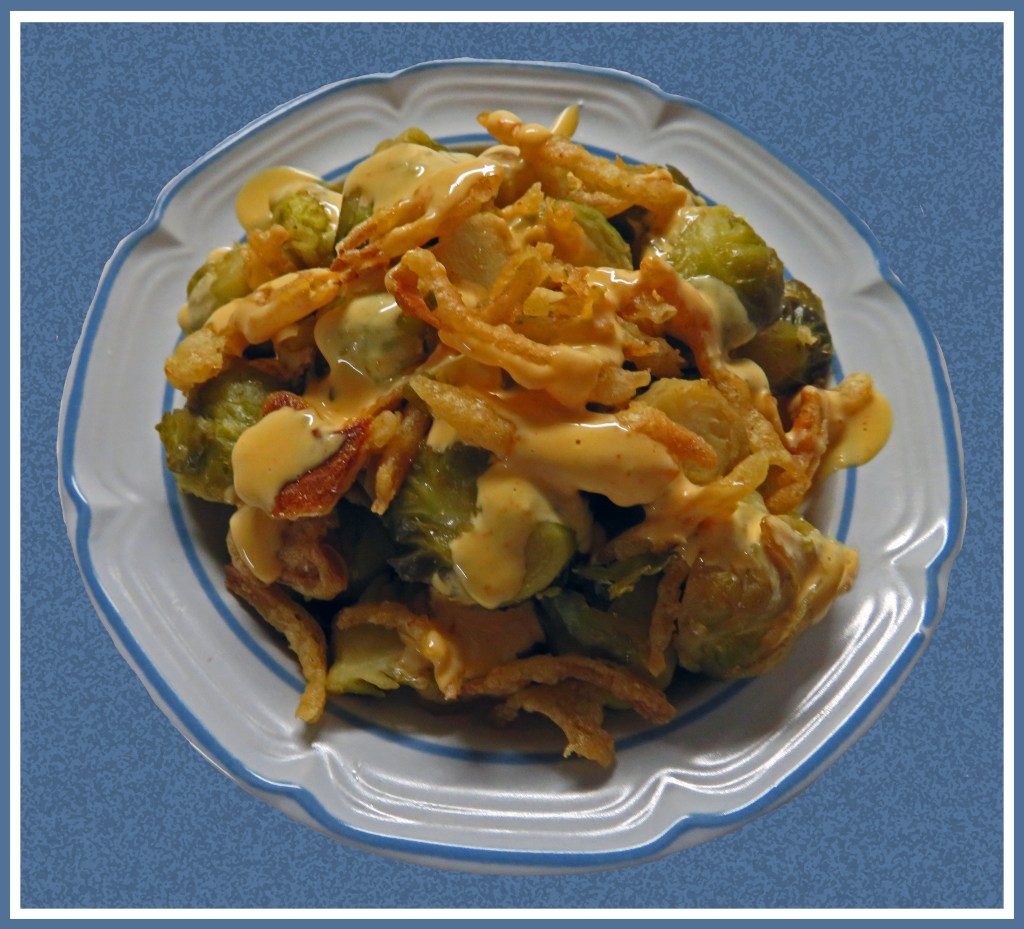
Recipe: Loaded Brussels sprouts

When it comes to my daily quota of vegetable servings, a couple of my favorite restaurants have definitely succeeded in getting Brussels sprouts onto my plate.

Since I’m ALWAYS looking for ways to make veggies more enticing, I have of course sought to duplicate these delicious gussied-up sprouts at home.

As I’ve experimented, I’ve discovered a couple of secrets to making the Brussels spouts turn out crisp and caramelized rather then soggy.

First, bake at a high-enough temperature (I set my oven at 450 degrees). Second, add a small amount of cornstarch to the mixture I use to coat the sprouts.

After much tinkering with possible ingredients, I’ve finally succeeded in creating a reasonable facsimile of the delicious entree served at my favorite eateries.

Even better, the recipe is fairly easy, at least the way I make it.

Unfortunately, the “loaded” version of this recipe is not exactly calorie-free. Sorry!

But even if I leave off the bacon, french fried onion rings and sriracha mayo (or include only one of these as a garnish), the basic sprouts baked with the coating mixture are still pretty yummy.

In the plain version, most of the fat and calories come from the olive oil, which is a “good” fat, so I don’t worry about the calorie and fat content as much.

This recipe makes about 4 servings.

Ingredients

  • 1-pound package frozen halved Brussels sprouts
  • 3 tablespoons olive oil
  • 1 teaspoon balsamic vinegar
  • 1 teaspoon dijon mustard
  • 1 teaspoon honey
  • 1-1/2 teaspoons cornstarch
  • 2 slices crisp bacon, crumbled (optional)
  • 6 tablespoons french fried onion rings (optional)
  • Sriracha mayo to taste (optional)

Directions

Cook the bacon until crisp. Crumble and set aside.

Rinse frozen Brussels sprouts in warm water to thaw slightly and remove ice crystals. Drain and place in plastic container with a lid.

Combine olive oil, balsamic vinegar, dijon mustard, honey and cornstarch and blend well. Drizzle the mixture over the Brussels Sprouts, place the lid on the container and shake gently to thoroughly coat the Brussels Spouts.

Spread Brussels sprouts in a single layer on large cookie sheet

Bake at 450 degrees for 25-30 minutes, or until golden brown and crisp, flipping sprouts with a metal spatula every 10 minutes or so.

When Brussels sprouts are nearly browned, top with french fried onion rings and bake about 5 more minutes until onion rings are browned and crisp.

Sprinkle bacon bits evenly over Brussels sprouts and drizzle sriracha mayo over the top of everything.

If you want to reduce the fat and calorie content, use only one of the last three ingredients. Still totally yummy!

Nutrition information

Loaded version

Serving size: 3/4 cup | Calories: 240 | Carbohydrates: 11 g | Protein: 5 g | Fat: 18 g | Saturated Fat: 3.5 g | Cholesterol: 7 mg | Sodium: 256 mg | Potassium: 280 mg | Fiber: 3 g | Sugar: 3.5 g | Vitamin A: 0% | Vitamin C: 0% | Calcium: 22% | Iron: .5%

Plain version (without last three ingredients)

Serving size: 3/4 cup | Calories: 135 | Carbohydrates: 9 g | Protein: 3 g | Fat: 9 g | Saturated Fat: 1 g | Cholesterol: 0 mg | Sodium: 44 mg | Potassium: 280 mg | Fiber: 3 g | Sugar: 3.5 g | Vitamin A: 0% | Vitamin C: 0% | Calcium: 22% | Iron: .5%

Meal kit ideas

In a previous post, I wrote about the micro food pantries that are popping up outside churches, schools and businesses in communities around the country (link HERE).

Then I added a couple of posts about stocking your local micro pantries or food pantries with the same kind of meal kits or recipe kits offered by meal delivery services such as Sunbasket, HelloFresh and Blue Apron (links HERE and HERE).

Meal kits or recipe kits are great for micro pantries and food pantries because it is often hard for people using the pantries to find all the ingredients they need to make a particular recipe. So from time to time, as I think of ideas for meal kits or recipe kits, I will continue to share them.

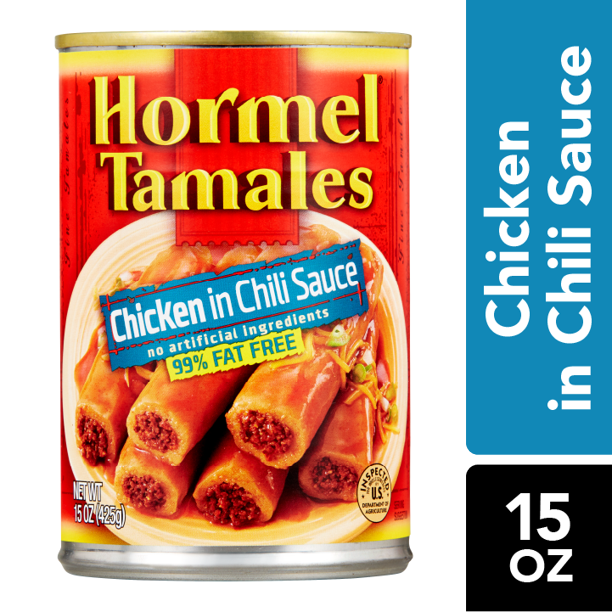
One of the challenges in creating the kits is the need for the recipe kits or meal kits to use only nonperishable ingredients. Here are some ideas for complete meal kits that meet this requirement – one for chicken a la king, one for tamales with rice and beans, one for chicken alfredo and one for a sack lunch.

These kits can usually fit nicely into a gallon-size zip-lock bag.

For the chicken a la king meal, I include a biscuit mix that only requires adding water. For a family-size meal kit, you might want to consider including two cans of the Chicken a la King for more generous servings. You can also add a can of vegetables such as peas or green beans to complete the meal.

One of the popular Tuna Helper offerings is Tuna Fettuccini Alfredo. I find this boxed recipe works very well with chicken as well as tuna. To complete the meal, add a can of veggies such as zucchini in tomato sauce.

For the tamales with rice and beans, the heat & eat Spanish rice works nicely because one can simply heat it in the microwave rather than needing the additional ingredients often required for the boxed mixes. A plastic container of salsa or taco sauce can also be included in this meal kit.

Sack lunches are also a popular item in either micro pantries or food pantries. Include a protein item such as jerky, a protein granola bar, trail mix, or crackers with peanut butter or cheese, a fruit cup and a container of vegetable juice for a complete and balanced meal. Including a plastic silverware and napkin packet is a nice touch.

Question for readers: Do you have any great ideas for recipe kits for food pantries or micro pantries? Please share your suggestions in the comments section below.

More recipe kit ideas

In a previous post, I wrote about the micro food pantries that are popping up outside churches, schools and businesses in communities around the country (link HERE).

Then I added a post about stocking your local micro pantries or food pantries with the same kind of meal kits or recipe kits offered by meal delivery services such as Sunbasket, HelloFresh or Blue Apron (link HERE).

Meal kits or recipe kits are great for micro pantries and food pantries because it is often hard for people using the pantries to find all the ingredients they need to make a particular recipe.

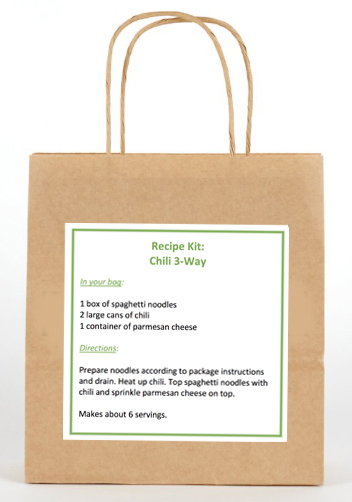
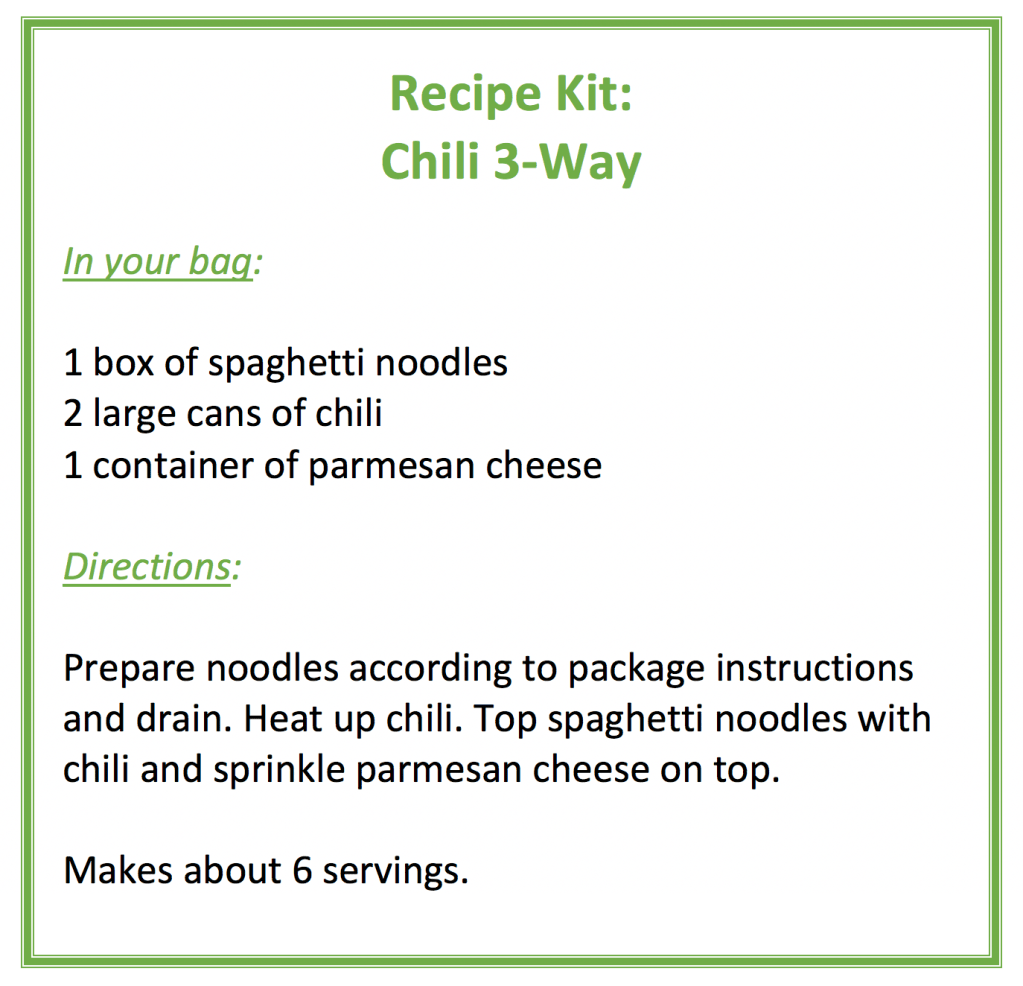
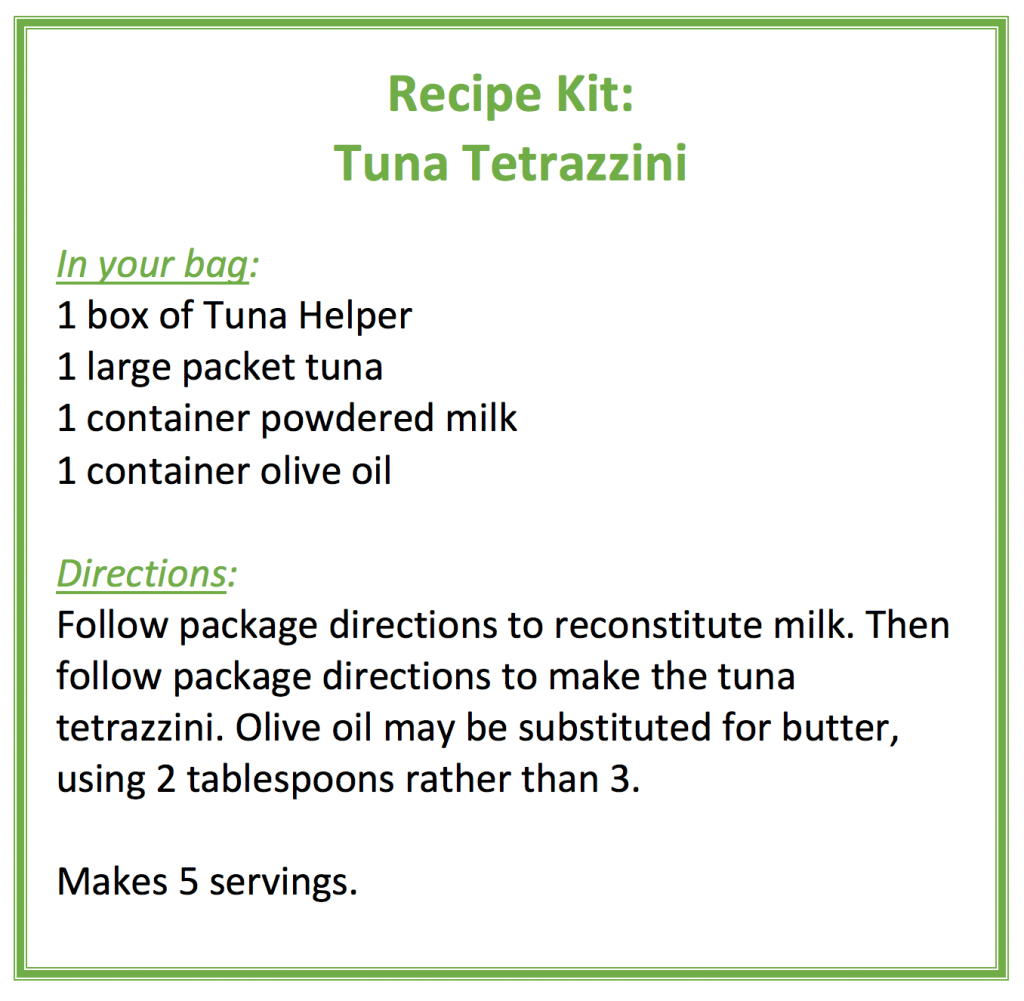
From time to time, as I think of ideas for meal kits or recipe kits, I will share them. Here are a couple of ideas for meal kits, one for Chili 3-Way and one for Tuna Tetrazzini, using all nonperishable ingredients.

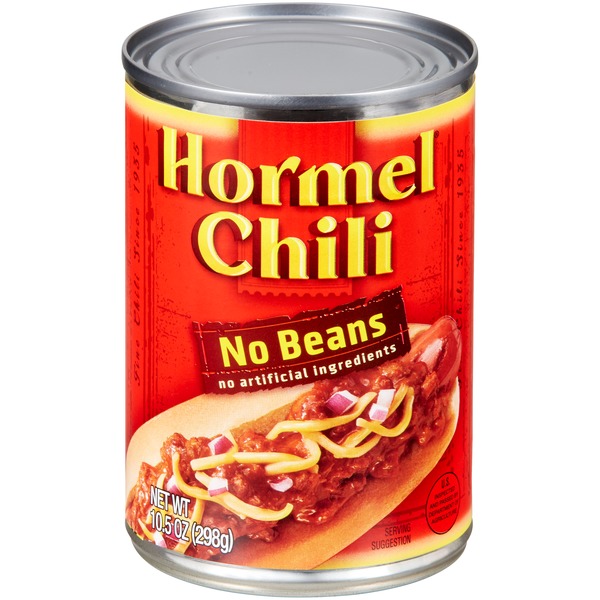
The Chili 3-Way recipe is one of my favorite go-to recipes at our own house when we’re in a hurry and need something quick. For the pantry recipe bag, I would add a second can of chili to make the recipe large enough to feed a larger family if necessary.

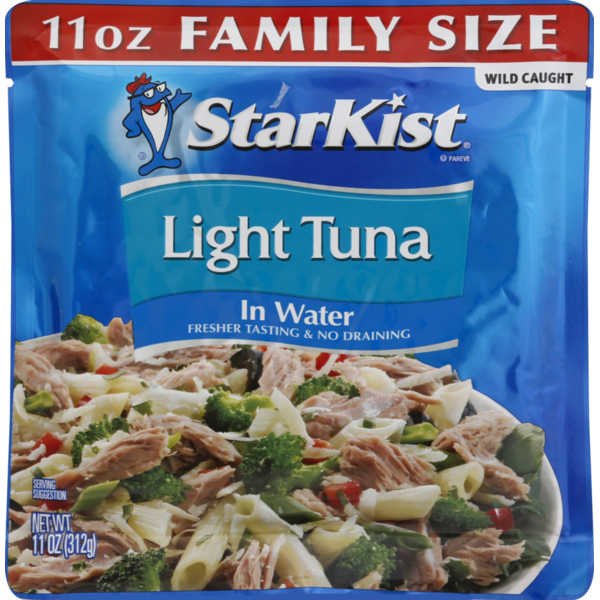
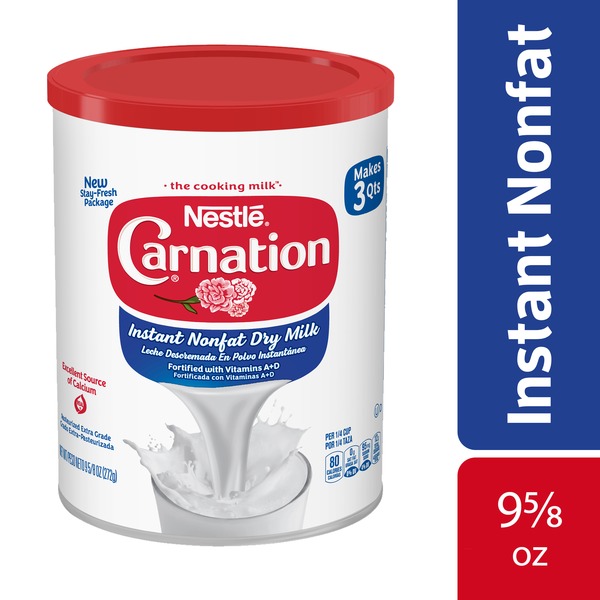
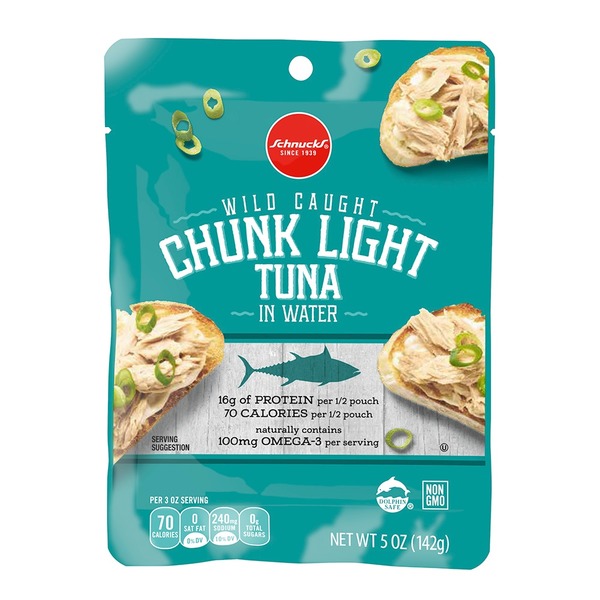
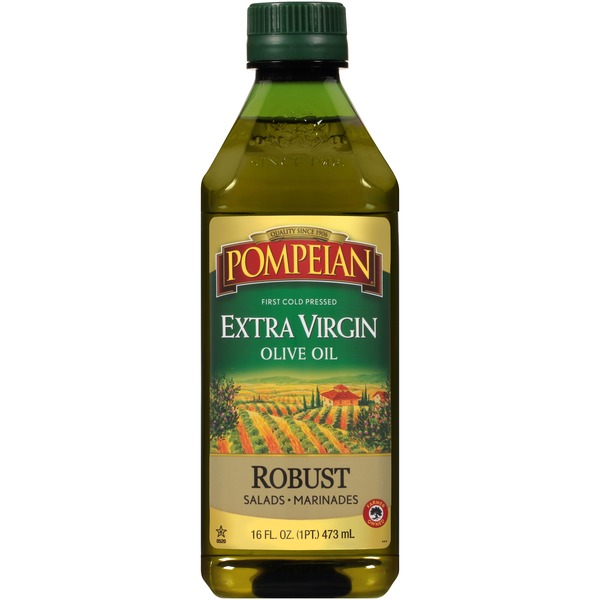
For the Tuna Tetrazzini, one can put a box of the Tuna Helper and a family-size packet of tuna in a gallon freezer bag, and assume the family has the milk and butter called for in the recipe already in their fridge. But one could also add powdered milk, along with olive oil to replace the butter. That way the person picking up the bag will be sure to have everything needed. (I use olive oil instead of butter myself. Healthier!)

Question for readers: Do you have any great ideas for recipe kits for food pantries or micro pantries? Please share your suggestions in the comments section below.

Recipe kits for your neighborhood micro pantry

About a month ago, I shared a post (link HERE) about the micro food pantries that are popping up outside churches, schools and businesses in communities around the country. The post included a list of nonperishable foods, cleaning supplies and personal hygiene items that people like to put in these miniature food pantries.

Here’s another idea for stocking your church’s or community’s micro pantry: Create the same kind of meal kits or recipe kits offered by meal delivery services such as Sunbasket, HelloFresh or Blue Apron.

I absolutely adore Sunbasket’s nifty little kits, which contain all the ingredients needed to prepare a recipe, thereby eliminating the need to run to the grocery store at the last minute for that one ingredient we need and don’t have in our fridge or cupboard.

So I got to thinking: Might a person using one of our community’s micro pantries appreciate finding a kit like this as well?

Of course, a major challenge when creating a recipe kit for a micro pantry is that only nonperishable ingredients can be used, which rules out ingredients like milk, eggs, fresh meats and most produce. But with a little ingenuity, it is possible to create a reasonably nutritious and tasty recipe using only nonperishables.

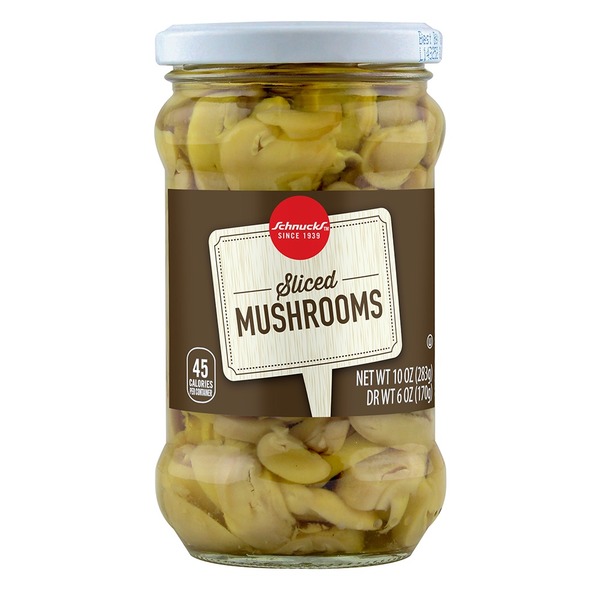
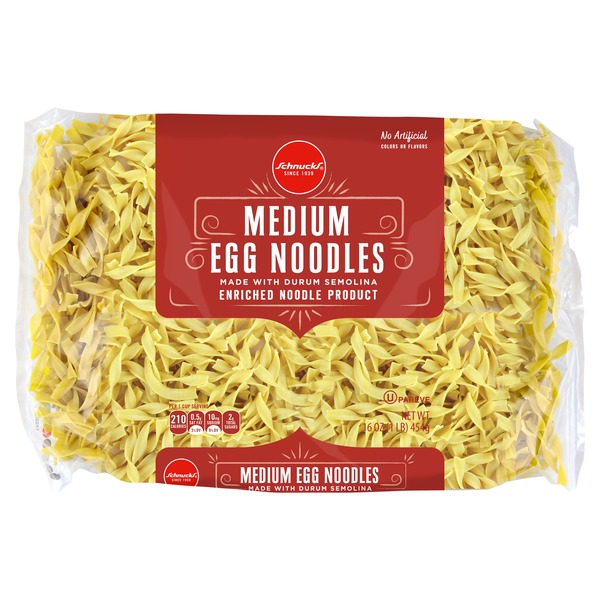
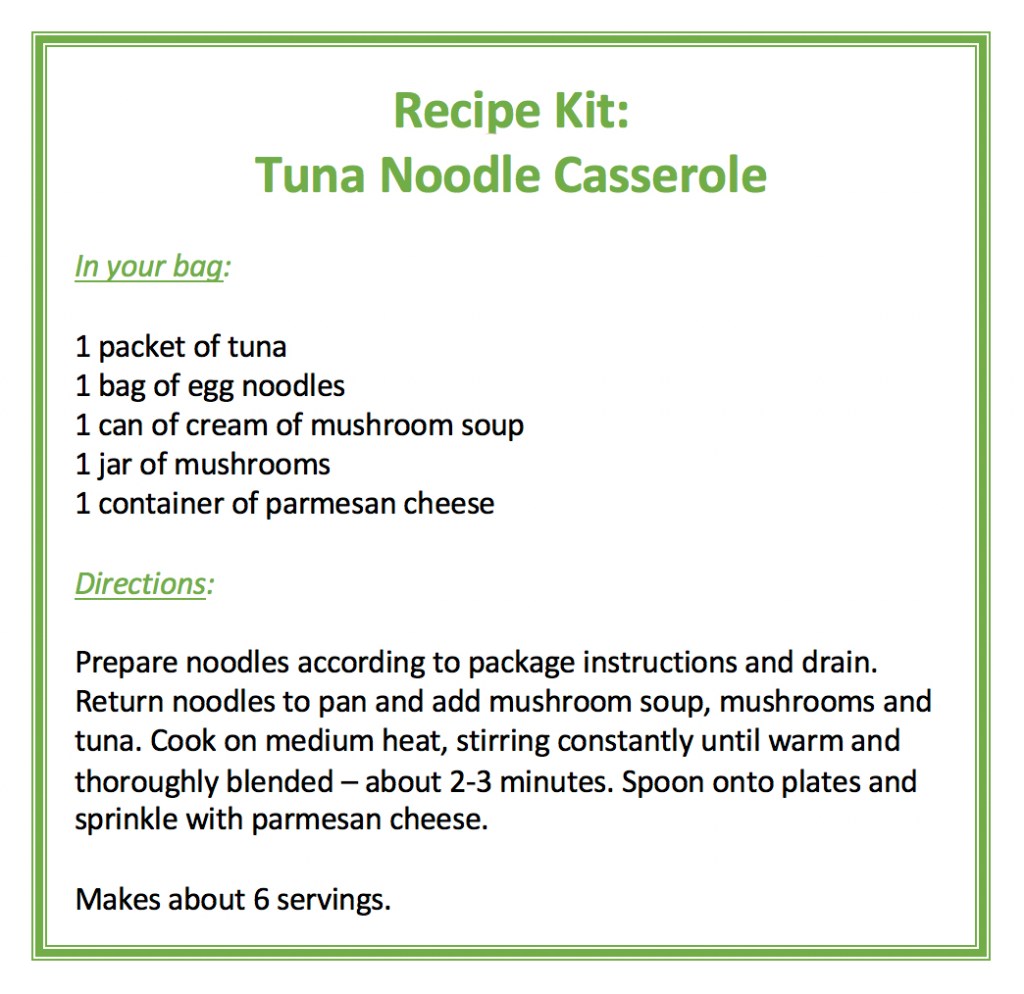
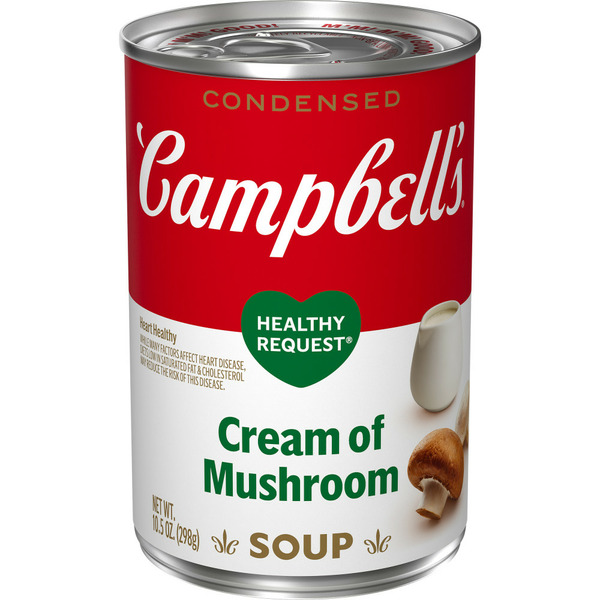
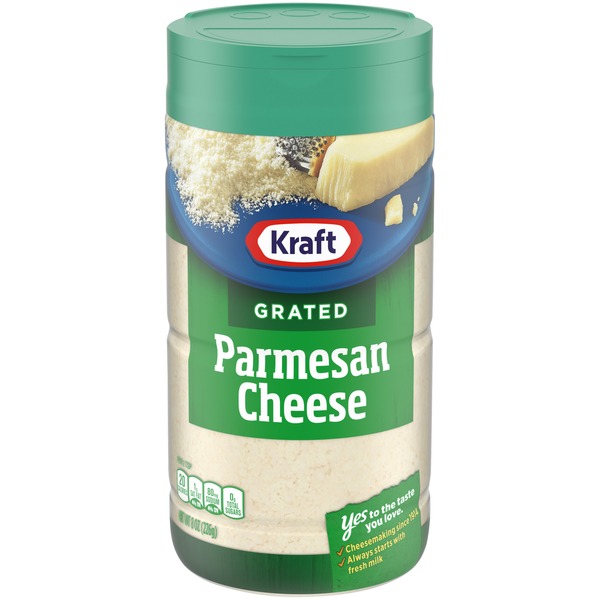
One of my favorite quickie meals at our house is tuna noodle casserole. All the ingredients for this super easy and filling recipe are nonperishable items, which makes it ideal for a micro pantry kit: a packet or can of tuna, a bag of egg noodles, a can of cream of mushroom soup, a can or jar of mushrooms and a container of parmesan cheese.

To make a kit, first create a label that looks something like this one, listing the items in the bag along with directions for making the recipe. (Note: When I make the tuna casserole recipe myself, I use a 5-ounce packet of tuna, 16-ounce bag of noodles, 10-ounce can of soup and 10-ounce jar of mushrooms, so you may want to purchase similar-sized containers of each of these ingredients for your kit in order to make the recipe work.)

Paste or tape the label to the outside of a paper bag. A plain sturdy gift bag with handles on it large enough to hold all the ingredients will work nicely.

Then just fill the bag with the recipe ingredients and place the kit in your church or neighborhood micro pantry next time you’re out and about.

If your church or civic organization wants to make this a group activity, some food pantries also welcome these meal/recipe kits. Or, if your community has several micro pantries scattered around town, you can make up several of the bags and deliver a few to each of the micro pantries.

At church, your youth group or community service committee could encourage congregation members to donate the ingredients. This project could also make a great service activity for other civic organizations you or your children belong to, such as Boy Scouts or Girl Scouts.

Recipe: Ground beef crumbles

Today I’m sharing one of my favorite cooking hacks.

I can’t count the number of times I’ve thought about making a recipe using ground beef crumbles, only to change my mind at the last minute because the only meat I had available was frozen solid and would take forever to thaw before I could even start browning it.

Then I hit on a solution: Why not use ground beef I’ve already browned ahead of time and frozen for nearly instant use? Batch cooking at its best.

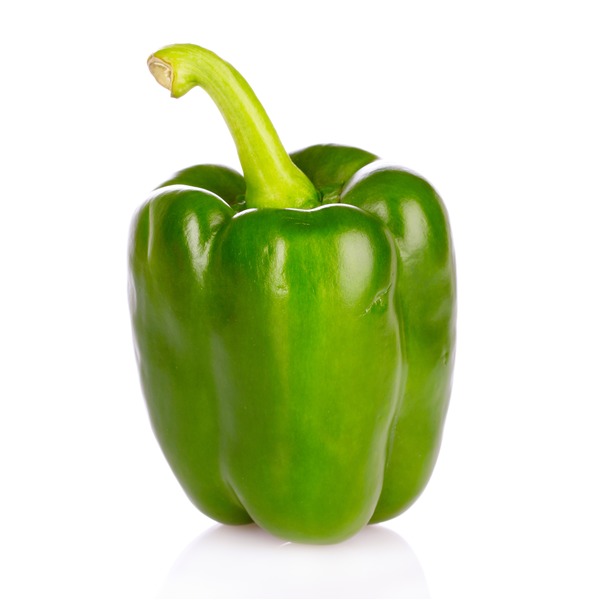
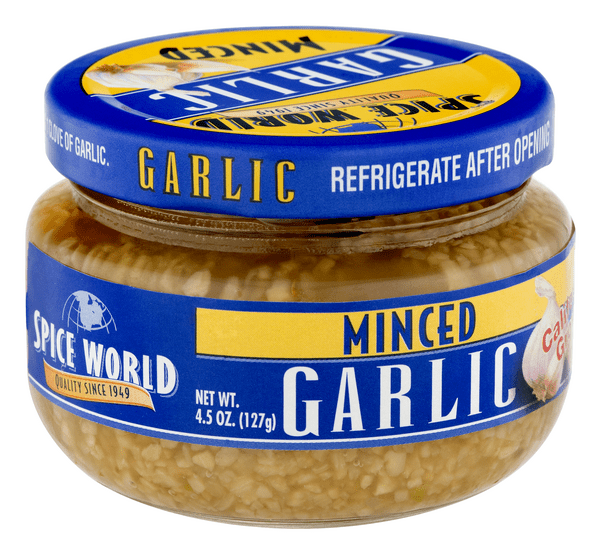
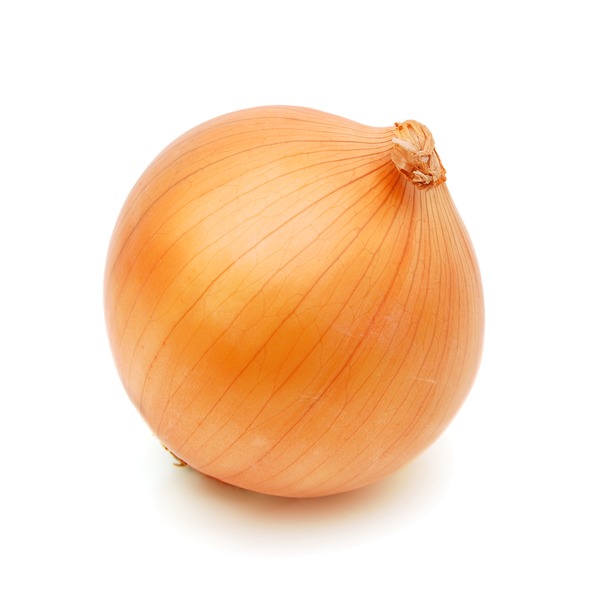
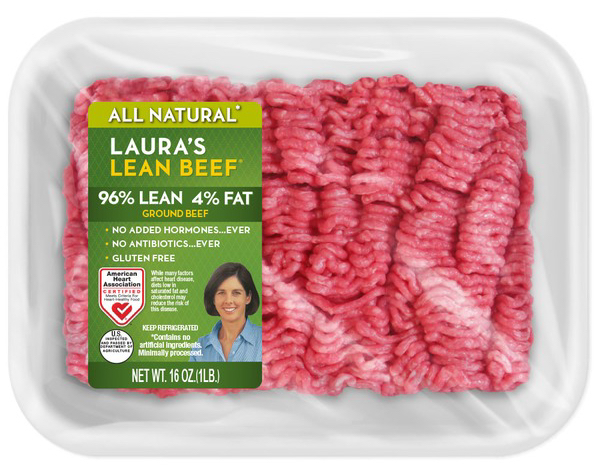
I start by sautéing an onion, green pepper and garlic for a bit of extra flavor. Then I add five pounds of fresh ground beef, which I brown and drain thoroughly, separate into recipe-sized portions and store in the freezer until I need it.

And voilà! When a recipe calls for browned ground beef, all I have to do is pull a bag of the crumbles out of the freezer and pop the crumbles in the microwave for just two minutes. 

The crumbles can be frozen for up to three months and are handy for use in beefy mac, chili, taco filling, ground beef stroganoff, spaghetti, sloppy joes … the list goes on.

This recipe makes six 10-ounce bags of crumbles.
Ingredients

  • 5 pounds fresh lean ground beef
  • Large onion, diced
  • Large green bell pepper, diced
  • 2½ teaspoons minced garlic
  • 2 tablespoons canola oil
  • Dusting of freshly ground black pepper

Directions

Sauté onion, green pepper and garlic with oil on medium heat in a large dutch oven until vegetables are softened and slightly caramelized, adding a very light sprinkling of black pepper.

Add the fresh (unfrozen) ground beef to the sautéed vegetables a bit at a time, breaking it up as you go with a large high-temperature-resistant hamburger meat chopper and stirring constantly until all meat is browned and crumbly. 

Drain the meat thoroughly and place in a shallow, loosely covered container in the refrigerator until the meat has cooled.

Once cooled, split the crumbles into recipe-sized portions – I usually make each portion about 10 ounces – and place portions in plastic freezer bags. Transfer to the freezer promptly.

When it’s time to use the crumbles, remove from the freezer bag, place in a microwave-safe dish and heat on high for about two minutes. Then add to your favorite recipe!
Nutrition information

Per 10-ounce recipe portion, based on 90% lean ground beef. Depending on the recipe the crumbles are used in, final portion size may vary considerably.
Calories: 715 | Carbohydrates: 5 g | Protein: 75 g | Fat: 150 g | Saturated Fat: 37 g | Cholesterol: 245 mg | Sodium: 250 mg | Potassium: 340 mg | Fiber: 1g | Sugar: 1 g | Vitamin A: 0 % | Vitamin C: 28% | Calcium: 4% | Iron: 70%